Casinos That Accept Wirecard UK: Why You Can’t Find Them and What to Use Instead
 Available in GB

You won’t find a single UK casino that accepts Wirecard in 2026. The payment processor filed for insolvency in June 2020 after admitting €1.9 billion on its balance sheet likely never existed, making it the first DAX 30 company to collapse into bankruptcy. Anyone searching for Wirecard casinos today is working from outdated information—the service ceased operations globally more than five years ago, taking its prepaid cards and instant banking functionality with it.
The UK online casino payment landscape shifted fundamentally between April and June 2020. On 14 April, the UK Gambling Commission banned credit cards at all licensed operators, citing harm from gambling with borrowed money. Two months later, Wirecard—a major payment processor for the iGaming industry since 1999—imploded in Germany’s largest accounting fraud scandal. That three-month window reshaped how British players fund casino accounts, accelerating the adoption of e-wallets, open banking, and mobile payments that now dominate the market.
This guide explains what happened to Wirecard, why casino sites still list it years after its collapse, and which current payment methods replicate its core functionality: instant deposits, e-wallet convenience, and prepaid spending control. Every alternative covered here works at UK Gambling Commission-licensed casinos in 2026, with specific breakdowns of what’s available at offshore operators serving British players outside the UKGC framework.
Table of Contents
- Wirecard No Longer Exists: What Happened and Why You Can’t Use It
- The Best Alternatives to Wirecard for UK Casino Deposits in 2026
- Debit Cards (Visa/Mastercard) — Universal and Instant
- E-Wallets: The Closest Match to Wirecard’s Convenience
- Mobile Payments: Apple Pay and Pay by Mobile
- Open Banking and Bank Transfers: Instant and Secure
- Cryptocurrency for Offshore Casinos Only
- UKGC-Licensed vs Offshore Casinos: Payment Options and Trade-Offs
- How to Choose the Right Payment Method for You
- Why Some Casino Sites Still List Wirecard (Outdated Pages)
Wirecard No Longer Exists: What Happened and Why You Can’t Use It
The table below traces the processor’s rise and collapse.
| Date | Event | Detail |
|---|---|---|
| 1999 | Wirecard begins processing | Served high-risk sectors including iGaming |
| 2018 | Peak market valuation | Around €24 billion, a DAX 30 member |
| 18 June 2020 | Fraud admitted | €1.9 billion in cash likely never existed |
| 25 June 2020 | Insolvency filed | CEO Markus Braun arrested |
| November 2020 | Core unit sold | Acquired by Santander for €100 million |
Wirecard AG was a Munich-based payment processor and financial services provider that processed card transactions for "high-risk" industries—online gambling, adult content, and digital goods—from 1999 through 2020. The company joined Germany’s DAX 30 stock index and positioned itself as a fintech disruptor, offering Wirecard-branded prepaid cards and instant banking services used by thousands of online casino players across Europe.
The collapse began publicly in June 2020. After years of fraud allegations from journalists and short-sellers, Wirecard admitted on 18 June that €1.9 billion listed as cash in its accounts probably did not exist. CEO Markus Braun was arrested. On 25 June 2020, the company filed for insolvency. By November, its core business unit had been sold to Santander Group for €100 million—a fraction of the company’s former €24 billion market valuation at its 2018 peak.
No casino can accept Wirecard deposits or process Wirecard withdrawals in 2026. The company’s payment infrastructure was dismantled, its licenses revoked, and its prepaid card programs terminated. If you encounter a casino listing Wirecard on its banking page, you’re looking at a site that hasn’t updated its content since 2019 or earlier—a red flag suggesting the operator may not be actively maintained or trustworthy.
What happened to Wirecard and can I still use it at online casinos?
Wirecard filed for insolvency on 25 June 2020 following a €1.9 billion accounting fraud. The payment processor is completely defunct and cannot be used for casino deposits or withdrawals anywhere in the world. Any casino still listing Wirecard has an outdated payment page and should be approached with caution.
Why do some casino websites still list Wirecard as a payment option?
Casino operators that haven’t updated their banking pages since before mid-2020 may still display Wirecard in drop-down menus or payment logos. These sites either lack active maintenance, failed to audit their content after Wirecard’s collapse, or are deliberately misleading. Attempting to select Wirecard will fail at checkout. It’s a signal to check the casino’s license status and last update date before depositing.
The search traffic for "casinos that accept Wirecard" persists because some players last gambled online before 2020, or encountered content written years ago that still ranks despite being obsolete. Wirecard was popular enough in its heyday—particularly for players who valued prepaid card anonymity and instant deposits—that legacy intent lingers in search patterns five years after the company ceased to exist.

The Best Alternatives to Wirecard for UK Casino Deposits in 2026
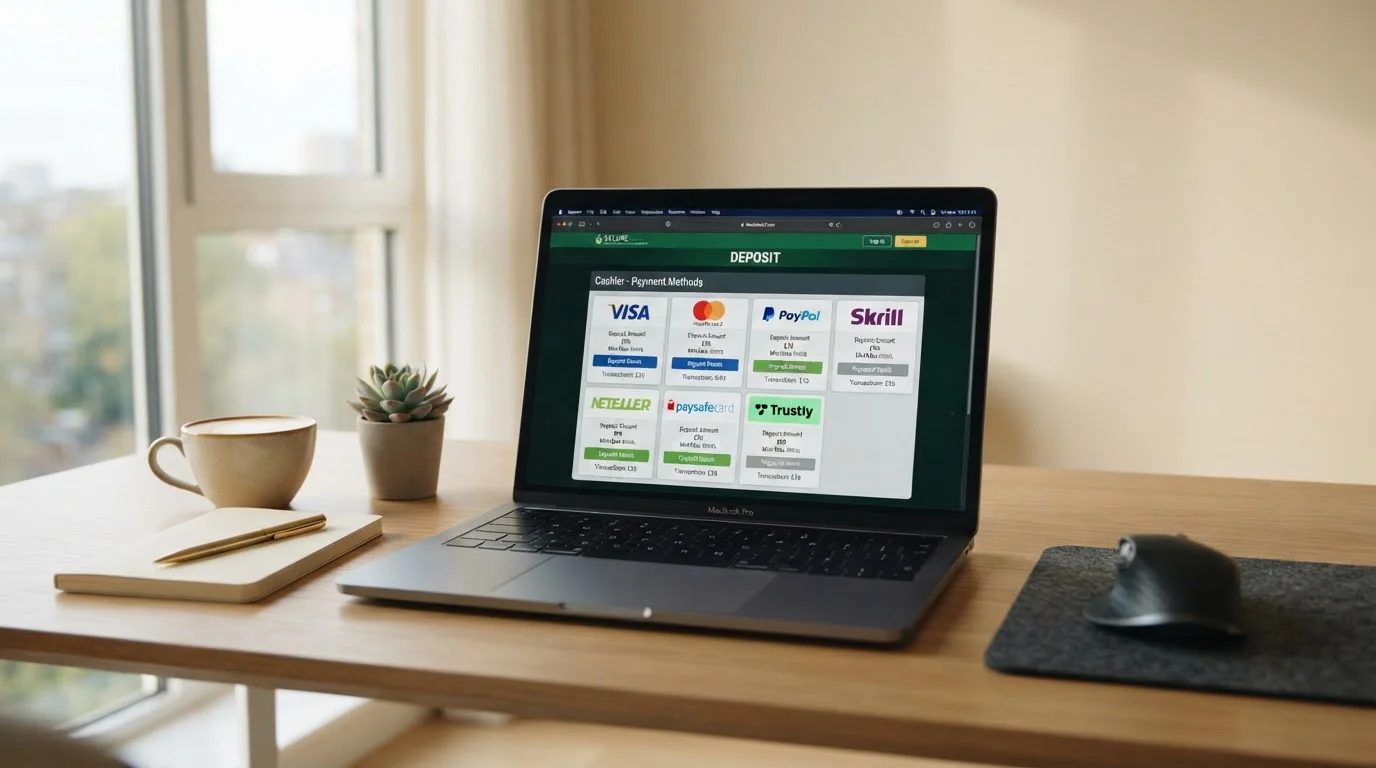
Wirecard’s collapse removed a payment option, but the UK casino market adapted quickly. E-wallets, open banking, and mobile payments now deliver the same instant-deposit convenience Wirecard offered, often with better consumer protection and faster withdrawals. The table below compares the nine primary alternatives available to UK players in 2026, broken down by whether they work at UKGC-licensed casinos, offshore operators, or both.
| Payment Method | Type | Deposit Speed | Withdrawal Speed | UKGC Licensed | Offshore | Anonymity | Key Feature |
|---|---|---|---|---|---|---|---|
| Debit cards (Visa/Mastercard) | Card | Instant | 1–5 days | Yes | Yes | Low | Universal acceptance, chargeback rights |
| PayPal | E-wallet | Instant | 24 hours | Yes | Rare | Medium | Most trusted, buyer protection, selective acceptance |
| Skrill | E-wallet | Instant | 24–48 hours | Yes | Yes | Medium | Purpose-built for gambling, VIP cashback |
| Neteller | E-wallet | Instant | 24–48 hours | Yes | Yes | Medium | Sister to Skrill, Net+ prepaid card option |
| Paysafecard | Prepaid voucher | Instant | Not available | Yes | Yes | High | Anonymous, deposit-only, retail purchase |
| Apple Pay | Mobile wallet | Instant | 1–5 days | Yes | Some | Low | Biometric security, tokenized card details |
| Pay by Mobile (Boku) | Phone bill | Instant | Not available | Yes | Some | Medium | No card needed, £30 limit, deposit-only |
| Trustly (Open Banking) | Bank transfer | Instant | 1–24 hours | Yes | Some | Low | Fastest end-to-end, bank-grade security |
| Cryptocurrency (Bitcoin, etc.) | Crypto | 10–60 min | Under 1 hour | No | Yes | Very high | Offshore only, irreversible, volatile |
Which payment method is closest to Wirecard for UK casino deposits in 2026?
Trustly and open banking ("Pay by Bank") are the closest functional replacements for Wirecard’s instant banking service—direct bank-to-casino transfers with same-day withdrawals. For prepaid anonymity, Paysafecard matches Wirecard’s voucher-style spending control. For e-wallet convenience, Skrill and Neteller replicate Wirecard’s instant deposits with wide acceptance at UKGC-licensed and offshore casinos.
The choice depends on what aspect of Wirecard mattered most. Instant deposits? Nearly everything in the table delivers that. Withdrawal speed? Trustly and e-wallets outperform what Wirecard offered (Wirecard never supported withdrawals to prepaid cards; users had to withdraw via bank transfer). Anonymity? Paysafecard and offshore crypto are the only methods that keep bank details out of the transaction chain entirely. Consumer protection? PayPal and debit cards offer chargeback rights and dispute resolution Wirecard lacked.
One critical distinction: Paysafecard and Pay by Mobile are deposit-only. You cannot withdraw casino winnings to a Paysafecard voucher or your phone bill. Withdrawals must route through a bank account, card, or e-wallet—a functional limitation that Wirecard shared in its later years but that many players forget when evaluating prepaid alternatives.
Debit Cards (Visa/Mastercard) — Universal and Instant
Debit cards issued by UK banks remain the most universally accepted payment method at online casinos in 2026, working at effectively 100% of UKGC-licensed operators and the vast majority of offshore sites serving British players. Visa Debit and Mastercard Debit process as standard purchase transactions through the same payment gateways used for retail shopping, delivering instant deposits and returning withdrawals to the same card within 1–5 business days.
How Debit Cards Work at UK Casinos
The transaction flow is straightforward. At the casino cashier, select "Debit Card," enter your 16-digit card number, expiry date, and CVV code, and authenticate via your bank’s 3D Secure system (typically a one-time SMS code or biometric confirmation in your banking app). Funds appear in your casino balance immediately. Minimum deposits sit at £5–£10 for most operators; maximums vary widely, from £5,000 per transaction at smaller casinos to £10,000 or more at established brands.
Withdrawals reverse the process. The casino initiates a refund to your card’s PAN (Primary Account Number), which the card network routes back to your issuing bank. Casino approval typically takes 1–3 business days, followed by 3–5 days for the card network to settle the refund. Total time: 4–8 days for most players, though some faster UKGC-licensed operators push payouts through in under 48 hours for verified accounts.
Deposit and Withdrawal Times
Deposits clear instantly. The moment your bank’s 3D Secure challenge completes, the casino credits your account. No waiting, no intermediate holding accounts, no conversion steps. This makes debit cards faster than bank transfers (which can take 2 hours for Faster Payments) and equally fast as e-wallets, without requiring a separate registration.
Withdrawals take longer because card networks treat casino payouts as merchant refunds, not peer-to-peer transfers. The casino must batch the transaction through its acquiring bank, which sends it to Visa or Mastercard, which routes it to your card issuer, which posts it to your statement. Each step adds latency. E-wallets and open banking beat debit cards on withdrawal speed by 2–4 days, but debit remains the most familiar option for players who don’t want to manage additional accounts.
Fees and Limits
Most UK banks charge no fees for debit card gambling transactions at UKGC-licensed casinos. The transaction is processed domestically in GBP, coded as a standard purchase (not a cash advance), and incurs no foreign exchange markup. Some premium bank accounts (e.g., American Express-issued debit cards) may charge merchant fees, but Visa Debit and Mastercard Debit from high-street banks are free.
Offshore casinos present a different picture. If the operator processes payments through a non-UK entity (common with Curaçao-licensed sites), your bank may apply a foreign transaction fee—typically 2.75–3%—and currency conversion spreads if the casino operates in EUR or USD. Always check the final debit amount shown during 3D Secure authentication; that’s the GBP equivalent your bank will charge.
UKGC-Licensed vs Offshore Casino Acceptance
Debit cards work at both UKGC-licensed and offshore casinos, but acceptance rates differ. UKGC operators accept debit cards universally because the Gambling Commission permits them (only credit cards are banned since 14 April 2020). Offshore operators—licensed in Curaçao, Malta, or unlicensed—also accept debit cards, but some UK banks block transactions to non-UKGC gambling sites at the network level, declining payments coded with merchant category 7995 (gambling) to unlicensed merchants.
Barclays, HSBC, and NatWest have all implemented "gambling blockers" that let customers toggle casino transactions on or off. If enabled, these blocks apply to all gambling merchants, UKGC-licensed and offshore alike. Lloyds and Santander take a lighter touch, blocking only unlicensed operators flagged in internal risk databases. If your debit card is declined at an offshore casino, your bank—not the casino—is likely preventing the transaction.
The regulatory distinction matters. Debit cards at UKGC-licensed casinos come with statutory protections: segregated player funds (your deposits are protected if the casino goes bust), IBAS dispute resolution, and mandatory responsible gambling tools. Debit cards at offshore casinos carry no such safeguards. If a Curaçao-licensed operator fails or disputes a payout, your bank cannot reverse the charge through standard chargeback procedures because you received the service (account credit) as described. You’re relying on the offshore license holder—if one exists—to mediate, with no guarantee of a fair outcome.

E-Wallets: The Closest Match to Wirecard’s Convenience
E-wallets deliver the instant deposits and account-to-account transfers that made Wirecard popular, with the added benefit of separating your bank details from the casino. You fund the e-wallet once via bank transfer or card, then use it for multiple casino deposits without re-entering payment information. Withdrawals return to your e-wallet balance in 24–48 hours, faster than card payouts, and you control when that balance transfers back to your bank account. Four e-wallets dominate UK casino banking in 2026: PayPal, Skrill, Neteller, and Paysafecard.
PayPal
PayPal operates at roughly 40 UKGC-licensed casinos in 2026, a smaller footprint than Skrill or Neteller but still the most trusted brand among British players. The company—owned by PayPal Holdings, Inc. (NASDAQ: PYPL) and operating in the UK through PayPal Europe S.à r.l. et Cie, S.C.A. in Luxembourg—partners selectively with established operators, screening out smaller or newer casinos. If a UKGC-licensed site accepts PayPal, that’s a signal the operator passed PayPal’s due diligence.
Deposits are instant. At the casino cashier, select PayPal, log in via a redirect to PayPal’s site, confirm the payment, and return to the casino. Minimum deposits typically sit at £5–£10; maximums depend on your PayPal account verification status (unverified accounts have lower limits). No fees apply to GBP transactions. Currency conversion incurs a 3.5–4% markup above wholesale rates, so stick to casinos that process in GBP to avoid that cost.
Withdrawals land in your PayPal balance within 24 hours of casino approval, often faster. Once in PayPal, you can leave the funds there for future deposits, send them to another PayPal user, or transfer them to your linked bank account (1–2 business days via standard transfer, instant via PayPal’s "Instant Transfer" service for a 1% fee capped at £1). This two-step structure—casino to PayPal, PayPal to bank—adds a layer of control. If you’re concerned about overspending, keeping casino winnings in PayPal rather than your main bank account creates a psychological buffer.
PayPal’s buyer protection policies extend to casino deposits in limited circumstances. If you fund your account and the casino fails to credit it, or the site turns out to be fraudulent, you can open a PayPal dispute. PayPal holds the seller’s funds during investigation and may reverse the payment if the casino cannot prove delivery of the service. This protection doesn’t cover gambling losses—you received the service (account credit, games played)—but it does cover deposit failures and scam sites that never activated your account. No other e-wallet offers comparable buyer protection.
The trade-off: PayPal rarely works at offshore casinos. The company’s acceptable use policy prohibits transactions with unlicensed gambling operators, and its compliance team actively terminates merchant accounts for non-UKGC sites. If you play at offshore casinos (Curaçao-licensed operators not on GamStop, for example), PayPal won’t be an option. Skrill and Neteller fill that gap.
Skrill
Skrill Limited, a UK-based e-money institution regulated by the Financial Conduct Authority (FRN: 900001), was purpose-built for online gambling when it launched in 2001 as Moneybookers. It’s now owned by Paysafe Group (itself owned by private equity firms Blackstone and CVC Capital Partners) and accepted at both UKGC-licensed casinos and offshore operators—one of the few e-wallets that bridges both markets.
Deposits clear instantly. Minimum thresholds match PayPal (£5–£10); maximums depend on account verification. Unverified Skrill accounts have a cumulative transaction limit of €2,500 per year. Full verification (identity document, proof of address, sometimes source-of-funds declaration) lifts that cap to tens of thousands. Most serious players verify immediately to avoid hitting the limit mid-session.
Skrill charges 1% to fund your account via debit or credit card. Bank transfers and open banking deposits are free but take 1–3 business days to clear into your Skrill balance. Currency conversion fees apply if you deposit GBP and the casino processes in EUR—Skrill’s FX markup hovers around 3.99% above the mid-market rate. Some casinos cover Skrill’s fees as a courtesy (absorbing the 1% card charge themselves); others pass it directly to the player. Always check the final amount shown before confirming a deposit.
Withdrawals from casinos to Skrill typically land within 24–48 hours, faster than card payouts but slightly slower than PayPal. Once in your Skrill account, you can transfer the balance to your UK bank account via Faster Payments (free, arrives in 1–2 hours) or withdraw to the Skrill prepaid Mastercard (instant, but the card costs €10/year and isn’t widely promoted). Skrill-to-Skrill transfers between users are instant and free, useful if you share bankroll with a partner or friend.
The Skrill VIP program offers cashback on transactions once you hit certain volume thresholds (Bronze tier starts at €2,000 in three months; cashback ranges from 0.1% to 1% depending on tier). Most recreational players never climb high enough to see meaningful returns, but high-volume players—those depositing £500+ per week—accumulate enough transactions to make VIP status worthwhile. That’s a feature PayPal doesn’t offer, and one reason Skrill remains popular among serious casino players who prioritize cost efficiency.
Skrill’s presence at offshore casinos is its key advantage over PayPal. Curaçao-licensed sites, MGA-licensed operators not registered with the UKGC, and unlicensed casinos serving UK players all accept Skrill, making it the go-to e-wallet for players who self-excluded via GamStop but want to keep gambling at non-UKGC sites. That flexibility comes with risk: offshore operators offer no UKGC consumer protections, no IBAS dispute resolution, and no guarantee that segregated player funds exist. If an offshore casino refuses a withdrawal, Skrill cannot force the payout—it’s merely a payment conduit, not an escrow service.
Neteller
Neteller is Skrill’s sister brand, owned by the same Paysafe Group and regulated by the FCA under the same framework (FRN: 900015). Functionally, the two are identical: instant deposits, 24–48 hour withdrawals, 1% card-funding fee, free bank transfers, wide acceptance at UKGC-licensed and offshore casinos. The main difference is branding and the prepaid card program—Neteller’s Net+ Mastercard is slightly more established than Skrill’s equivalent, though both cost money to maintain and neither is necessary for casino banking.
Some players hold both a Skrill and a Neteller account for tactical reasons. A handful of UKGC-licensed casinos exclude e-wallet deposits from bonus eligibility, meaning if you deposit via Skrill, you forfeit the welcome offer. But if that same casino accepts Neteller and doesn’t exclude it from bonuses, you can use Neteller instead. This is rare—most casinos treat all e-wallets identically in bonus terms and conditions—but it happens often enough at smaller operators that dual accounts provide a workaround.
Neteller’s loyalty program mirrors Skrill’s VIP tiers, with the same 0.1–1% cashback structure based on transaction volume. Verification requirements, limits, and FX fees are identical. The Net+ prepaid Mastercard lets you load Neteller balance onto a physical or virtual card and spend it anywhere Mastercard is accepted, including ATMs (with withdrawal fees). This adds a spending option Skrill’s card also offers, though most players find it simpler to transfer Neteller balance back to their bank account via Faster Payments and use their regular debit card instead of juggling prepaid card PINs.
The choice between Skrill and Neteller is largely arbitrary unless a specific casino excludes one from bonuses or you’ve already verified one account and don’t want to repeat KYC with the other. Both integrate seamlessly with UK casino cashiers, both offer the same speed and fee structure, and both work at offshore sites. If you’re starting fresh and need an e-wallet for iGaming, Skrill has slightly higher brand recognition in 2025, but Neteller’s Net+ card gives it a marginal edge for players who like the option of converting gambling winnings into a prepaid card for everyday spending.
Paysafecard
Paysafecard breaks the e-wallet mold. It’s a prepaid voucher system: you buy a physical or digital voucher with a 16-digit PIN at a PayPoint retailer (newsagents, petrol stations, convenience stores across the UK) or online via the Paysafecard website, then redeem that PIN at the casino cashier for an instant deposit. No bank account link. No card details stored anywhere. No identity verification required for voucher-only use. It’s the closest thing to anonymous casino deposits available at UKGC-licensed sites in 2026.
Single vouchers cap at £100. Minimum casino deposits typically start at £10. If you want to deposit more than £100, you can combine multiple vouchers in a "My Paysafecard" account—a free optional registration that lets you store multiple PINs in one balance and redeem them together. My Paysafecard also tracks your transaction history and applies a £3/month inactivity fee if the account sits dormant for 12 months, so it’s only worth registering if you use Paysafecard regularly.
Paysafecard is deposit-only. You cannot withdraw casino winnings to a Paysafecard voucher. Withdrawals must use a bank transfer, e-wallet, or debit card—the same limitation Wirecard had in its later years. This makes Paysafecard a one-way funding method, useful for players who want to control spending by purchasing only what they intend to gamble, but inconvenient for anyone who expects to cash out winnings the same way they deposited.
Can I withdraw winnings to Paysafecard or Pay by Mobile?
No. Paysafecard and Pay by Mobile (Boku) are deposit-only payment methods. You cannot withdraw casino winnings to a prepaid voucher or your phone bill. Withdrawals must go to a bank account, debit card, or e-wallet like PayPal, Skrill, or Neteller. This is a critical limitation compared to Wirecard, which supported withdrawals via bank transfer.
The anonymity trade-off is significant. If you buy a Paysafecard voucher with cash at a retail location, there’s no digital trail linking your identity to the casino deposit—the retailer sees a voucher sale (which could be for online shopping, gaming, or anything Paysafecard supports), and the casino sees a voucher redemption (no name, no address, no bank account). This appeals to players who value privacy or don’t want gambling transactions appearing on bank statements.
But that anonymity evaporates at withdrawal. UKGC-licensed casinos must verify your identity before processing payouts, so even if you deposited via anonymous Paysafecard, you’ll submit ID documents (passport or driving license) and proof of address (utility bill) before cashing out. The casino now knows who you are. Offshore casinos may waive KYC for small crypto withdrawals, but if you deposited via Paysafecard and want to withdraw via bank transfer, you’re still providing full identity documentation. Anonymity works in one direction only.
Paysafecard’s fee structure is simple: no charge to buy or redeem vouchers for casino deposits. Some retailers add a small markup (£1–£2) on voucher sales, but Paysafecard itself doesn’t charge. Currency conversion applies if you buy a EUR voucher and redeem it at a GBP casino—Paysafecard’s FX markup is roughly 2–3% above mid-market. Stick to GBP vouchers at GBP casinos to avoid that cost.
Paysafecard works at both UKGC-licensed and offshore casinos. It’s particularly popular at non-GamStop sites (Curaçao-licensed operators) because players who self-excluded via GamStop often prefer prepaid methods that don’t require bank account linkage. The method’s acceptance rate at offshore casinos rivals Skrill and Neteller, making it a versatile option for players who want prepaid spending control without the geographic restrictions PayPal imposes.
Mobile Payments: Apple Pay and Pay by Mobile
Mobile payments deliver instant deposits optimized for smartphone users, leveraging biometric authentication (Face ID, Touch ID) and phone-bill integration to remove friction from the deposit process. Two methods dominate UK casinos in 2026: Apple Pay for iPhone users, and Pay by Mobile (typically powered by Boku) for players who want to charge deposits directly to their phone bill.
Apple Pay
Apple Pay processes casino deposits as tokenized debit card transactions. You add an eligible UK debit card to your iPhone’s Wallet app (credit cards are blocked for gambling since the April 2020 UKGC ban), then select Apple Pay at the casino cashier. Authenticate via Face ID or Touch ID, and the payment clears instantly. Your actual card number never reaches the casino—Apple Pay generates a device-specific token that Visa or Mastercard routes to your card issuer, protecting your PAN from data breaches.
Deposits are instant. Minimum thresholds match the underlying debit card (£5–£10); maximums depend on your card issuer’s gambling transaction limits. Some UK banks cap gambling transactions at £500 per day regardless of your overall card limit, so check your bank’s terms if you plan large deposits. No Apple Pay-specific fees apply—the transaction is processed as a standard debit card purchase, coded identically to typing your card number manually.
Withdrawals don’t route through Apple Pay. When you cash out, the casino processes a standard debit card refund to the card you tokenized in Apple Pay. That refund takes the usual 1–5 business days to land in your bank account, identical to any debit card withdrawal. Apple Pay’s benefit is deposit speed and security, not withdrawal speed. If you prioritize fast cashouts, Trustly or e-wallets beat Apple Pay by several days.
Apple Pay requires an Apple device—iPhone, iPad, Apple Watch, or Mac with Touch ID. Android users cannot use Apple Pay (Google Pay exists but has lower acceptance at UK casinos; some UKGC-licensed sites support it, many don’t). If you switch from iPhone to Android, you lose Apple Pay access mid-session. For players locked into the Apple ecosystem, that’s a non-issue. For those who switch devices frequently or use multiple platforms, relying on Apple Pay creates vendor lock-in.
UKGC-licensed casinos increasingly support Apple Pay—the majority of major operators added it between 2023 and 2026—but it’s not universal. Smaller casinos and newer operators may lack the payment gateway integrations required to process tokenized wallet payments, defaulting to card-only acceptance. Offshore casinos lag further behind; most Curaçao-licensed sites don’t support Apple Pay because their payment processors haven’t implemented the necessary API connections. If you play primarily at offshore operators, Apple Pay won’t be an option.
The security benefit is real. Data breaches at online casinos happen. When payment databases leak, stolen card numbers hit the dark web within hours. Apple Pay eliminates that risk: the casino never sees your card number, only a one-time-use token valid for that specific transaction. If the casino’s database is compromised, your token is useless to fraudsters—they can’t reuse it elsewhere, and it doesn’t reverse-engineer to your actual card. For players concerned about casino security practices, Apple Pay adds a meaningful layer of protection debit cards lack.
Pay by Mobile (Boku)
Pay by Mobile charges casino deposits directly to your mobile phone bill (for contract customers) or deducts them from prepaid credit (for pay-as-you-go users). No card details. No bank account link. Just your mobile number and an SMS confirmation code. Boku Inc. (NASDAQ: BOKU) dominates this space in the UK, with its subsidiary Boku UK Limited authorized by the FCA as a payment institution (FRN: 930940). Roughly 60–80 UKGC-licensed casinos accept Pay by Mobile in 2026, typically branded as "Pay by Phone" or "Mobile Bill" at the cashier.
Deposits are instant. At the cashier, select Pay by Mobile, enter your UK mobile number, receive an SMS with a one-time code, confirm the transaction, and the casino credits your account immediately. The charge appears on your next monthly phone bill (contract users) or is deducted from your balance within seconds (PAYG users). Typical minimum deposit: £10. Maximum per transaction: £30 (Boku’s standard limit, designed to prevent overspending via phone bills).
Fees vary wildly by operator. Some UKGC-licensed casinos—specifically those operated by Betable Limited (license number 23328), including IvyCasino, Oreels, and Bet442—charge zero fees on Pay by Mobile deposits. You deposit £10, your account receives £10, your phone bill shows £10. Other casinos add 10–15% on top: deposit £10, your account receives £10, your phone bill shows £11–£11.50. Always check the fee disclosure before confirming. If the casino doesn’t state the fee upfront, assume it exists and contact support.
Pay by Mobile is deposit-only. You cannot withdraw casino winnings to your phone bill. The telecom network doesn’t support reverse charges for gambling transactions (phone companies have no interest in refunding you via bill credits), so withdrawals must route through a bank transfer, debit card, or e-wallet. This limitation mirrors Paysafecard: convenient for controlled deposits, frustrating for players who want symmetrical funding.
The £30 transaction limit makes Pay by Mobile useful primarily for casual players and bankroll control. If you want to deposit £100, you’d need to make four separate £25 transactions, each incurring its own fee (if the casino charges one) and SMS confirmation. High-volume players find this tedious. But for someone setting a strict weekly budget—say, £30 per week—Pay by Mobile enforces that limit mechanically. Once you hit £30, you physically cannot deposit more via your phone bill until the next billing cycle (contract users) or until you top up (PAYG users).
Offshore casinos rarely support Pay by Mobile. Boku and similar providers (Zimpler, Fonix, Payforit) focus on regulated markets where they can establish contracts with telecom carriers. Curaçao-licensed casinos lack those carrier integrations, so Pay by Mobile acceptance at non-UKGC sites is sparse. If you play offshore, you’ll need an alternative method.
Open Banking and Bank Transfers: Instant and Secure
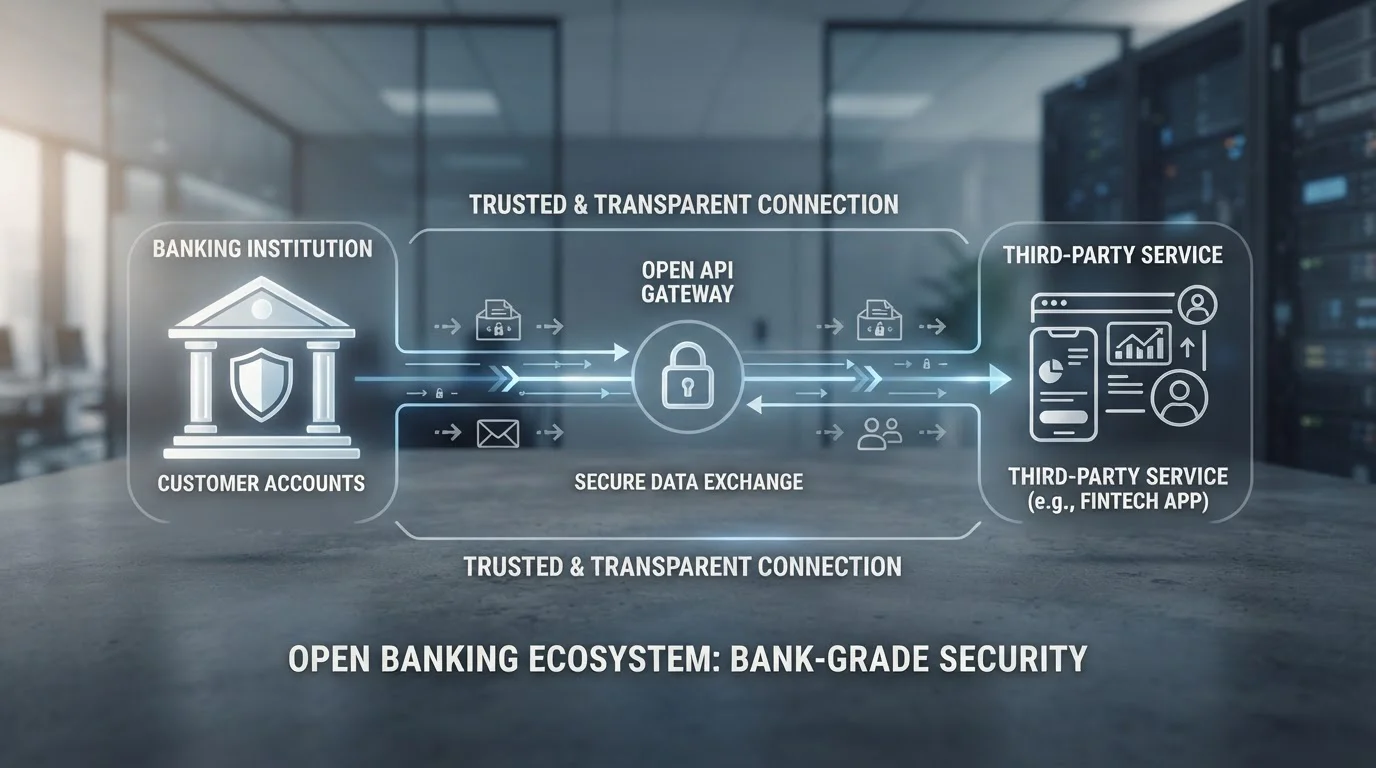
Direct bank-to-casino transfers are the modern evolution of instant banking functionality Wirecard once offered, now powered by open banking regulations (PSD2, UK Payment Services Regulations 2017) that let third-party payment providers initiate transfers from your bank account with your consent. Trustly dominates this space, branded variously as "Pay by Bank," "Instant Bank Transfer," or simply "Trustly" at casino cashiers. Traditional bank transfers—manual Faster Payments initiated through your own online banking—remain an option but lag in speed.
Trustly and Pay by Bank (Open Banking)
Trustly Group AB, a Swedish fintech founded in 2008 and now privately owned by Nordic Capital and HarbourVest Partners, operates as a payment institution authorized by Sweden’s Finansinspektionen and passported to the UK under PSD2. The company processes over €30 billion annually across 29 European markets, with UK adoption accelerating sharply between 2023 and 2026 as UKGC-licensed casinos added open banking integrations to their cashiers.
The deposit flow is seamless. Select Trustly at the casino, choose your bank from a list (all major UK banks are supported: Barclays, HSBC, Lloyds, NatWest, Santander, TSB, Nationwide, and dozens of smaller institutions), redirect to your bank’s login page (or banking app), authenticate via your usual credentials (often with 2FA or biometric confirmation), confirm the payment amount, and return to the casino. Funds land in your casino balance instantly. No separate Trustly account registration required—Trustly acts as a technical intermediary facilitating the transfer but doesn’t hold your money or store your login details.
Deposits are instant. Minimum thresholds typically start at £10–£20 (higher than card or e-wallet minimums because open banking transactions have fixed processing costs that make micro-deposits inefficient for operators). Maximums range from £5,000 to £10,000+ per transaction, often higher than card limits because Trustly pulls directly from your bank account balance rather than a card’s daily transaction cap. No fees for UK domestic GBP transactions at UKGC-licensed casinos. Offshore casinos may charge 1–3%, though most don’t.
Withdrawals are where Trustly shines. When you cash out, the casino initiates a Trustly payout to your bank account—the same account you deposited from, verified automatically during the original deposit flow. Most UKGC-licensed casinos approve Trustly withdrawals within 1–24 hours, with funds landing in your bank account the same day or the next business day. This is the fastest end-to-end deposit and withdrawal cycle available at UKGC-licensed casinos in 2026, beating e-wallets by 12–24 hours and debit cards by 3–4 days.
How does open banking (Trustly / Pay by Bank) work for casino deposits?
Open banking lets third-party providers like Trustly initiate bank transfers directly from your account with your consent, bypassing card networks. You select Trustly at the casino, log into your bank via a secure redirect, confirm the payment, and funds transfer instantly. Trustly never stores your login details—it uses read-only API access granted under PSD2 regulations to verify your account and initiate the transfer.
What’s the fastest deposit and withdrawal method at UKGC-licensed casinos in 2026?
Trustly (open banking) offers the fastest end-to-end cycle: instant deposits and withdrawals typically processed within 1–24 hours, landing in your bank account the same or next business day. E-wallets like PayPal match deposit speed but take 24–48 hours for withdrawals. Debit cards lag at 1–5 days for payouts.
Security is bank-grade. When you authenticate via Trustly, you’re logging into your actual bank’s website or app—not a Trustly replica. Trustly receives a one-time-use token from your bank authorizing the specific transfer amount you confirmed, then discards that token. Your bank credentials never pass through Trustly’s servers. The company operates under PSD2’s Strong Customer Authentication (SCA) rules, requiring two-factor authentication (something you know + something you have, such as password + SMS code or biometric) for every transaction.
Trustly’s acceptance at UKGC-licensed casinos is now widespread. The majority of major operators—bet365, William Hill, Betway, LeoVegas, Casumo, and dozens of others—added Trustly between 2023 and 2025. Smaller or newer casinos may still lack open banking integrations, defaulting to card and e-wallet only. Offshore casinos (Curaçao, MGA-licensed but not UKGC-registered) have lower Trustly penetration; some MGA sites support it, but Curaçao operators rarely do because Trustly focuses on regulated markets with established banking APIs.
This is the closest 2026 functional replacement for Wirecard Instant Banking. Wirecard’s instant banking service—popular in the 2010s—let users transfer funds directly from their bank account to the casino in real time, bypassing card networks. Trustly replicates that functionality with better security (bank-grade authentication, no stored credentials) and faster withdrawals (same-day vs 3–5 days for the bank transfers Wirecard users faced). If you used Wirecard primarily for its instant banking feature, Trustly is the direct successor.
Traditional Bank Transfer
Manual bank transfers—logging into your own online banking, entering the casino’s sort code, account number, and reference code, and initiating a Faster Payments Service (FPS) transfer—remain an option at virtually every UK casino, UKGC-licensed and offshore. FPS is the UK’s real-time payment system, launched in 2008, capable of settling transfers in seconds to minutes. Most casino deposits via manual bank transfer clear within 2 hours; some arrive in under 30 minutes.
The process is clunky compared to Trustly. At the casino, select "Bank Transfer," note the casino’s bank details (sort code, account number, reference number), open your online banking in a separate tab or app, create a new payee with those details, enter the deposit amount, confirm, and wait. The casino credits your account once it receives the transfer and matches the reference number to your player ID. This manual workflow lacks the instant confirmation Trustly provides—you submit the transfer and hope it arrives, with no real-time feedback loop.
Minimum deposits are higher (typically £20–£50) because manual transfers take staff time to reconcile. Maximums are very high—often £10,000–£25,000 per day, dictated by your bank’s online banking limits rather than the casino. No fees from UK banks for domestic Faster Payments. Offshore casinos may charge 2–5% for bank transfers because they receive the funds via intermediary correspondent banks rather than direct FPS settlement, incurring wire transfer fees they pass to players.
Withdrawals via manual bank transfer are the slowest common method. The casino batches your withdrawal request, initiates an FPS or BACS (Bankers’ Automated Clearing Services) transfer to your registered bank account, and the funds land 1–5 business days later depending on the casino’s processing speed and the payment rail used. BACS takes 3 days by design (it’s a batch system, not real-time). FPS is instant once initiated, but casinos often hold withdrawal requests in a pending queue for 24–72 hours for fraud checks before releasing the transfer.
Manual bank transfers make sense for players depositing large amounts (£1,000+) who want to avoid card transaction limits and don’t mind waiting 2 hours for confirmation. For everyone else, Trustly delivers the same bank-to-casino flow with instant confirmation and same-day withdrawals, making manual transfers obsolete except at casinos that haven’t integrated open banking yet.
Cryptocurrency for Offshore Casinos Only
Cryptocurrency—Bitcoin, Ethereum, Litecoin, Tether, Dogecoin, and dozens of altcoins—offers the only truly anonymous deposit and withdrawal method available to UK players in 2026, but exclusively at offshore casinos. No UKGC-licensed operator accepts crypto. The Gambling Commission’s anti-money-laundering (AML) and know-your-customer (KYC) requirements effectively prohibit cryptocurrency because its pseudonymous nature and price volatility conflict with the regulator’s consumer protection mandate. If you want to gamble with crypto, you’re playing outside UKGC jurisdiction, at Curaçao-licensed, Anjouan-licensed, or unlicensed casinos that offer no statutory safeguards.
Bitcoin and Altcoins at Offshore Casinos
Bitcoin (BTC) is the most universally accepted cryptocurrency at offshore casinos, followed by Ethereum (ETH), Litecoin (LTC), Tether (USDT), and Dogecoin (DOGE). Smaller altcoins (Bitcoin Cash, Ripple, Cardano) appear at crypto-focused sites but aren’t standard. To use crypto, you need a wallet—software (MetaMask, Exodus, Trust Wallet), hardware (Ledger, Trezor), or an exchange account (Coinbase, Binance, Kraken)—that holds your coins and lets you send them to the casino’s deposit address.
The deposit flow: at the offshore casino, select your coin at the cashier, receive a deposit address (typically shown as a QR code and alphanumeric string), open your wallet, paste the casino’s address, enter the amount, confirm, and broadcast the transaction to the blockchain. The casino credits your account after the required number of network confirmations—typically 1–3 confirmations for Bitcoin (10–60 minutes depending on network congestion and transaction fee), fewer for Litecoin and Dogecoin (under 10 minutes), near-instant for Tether on the Tron network.
Withdrawals reverse the process. Request a crypto withdrawal at the casino, provide your wallet address (double-check it—crypto transactions are irreversible, sending to the wrong address means permanent loss), and the casino broadcasts the payout to the blockchain. Most crypto-focused offshore casinos process withdrawals in under 1 hour, often within 10–20 minutes. This is the fastest payout method at offshore casinos, far outpacing bank transfers (3–7 days) and even e-wallets (24–48 hours) at non-UKGC sites.
Network transaction fees vary. Bitcoin fees fluctuate with network congestion—during busy periods, fees can hit £5–£10+ per transaction; during quiet periods, under £1. Litecoin and Dogecoin fees are consistently low (under £0.50). Tether fees depend on the blockchain: Ethereum-based USDT has variable gas fees (£1–£20+ depending on network load), Tron-based USDT has near-zero fees (under £0.10). Some offshore casinos cover withdrawal fees; others pass them to players. Always check the casino’s crypto terms before depositing.
Minimum deposits at crypto casinos typically start at £10–£20 equivalent in BTC/ETH/LTC. Maximums are often unlimited or very high (£50,000+), far above what card or e-wallet limits permit. High-rollers favor crypto for this reason—no artificial caps on deposit size, no bank declining large gambling transactions, no KYC friction until withdrawal thresholds trigger compliance checks (and even then, many crypto-only offshore casinos waive KYC for withdrawals under £2,000–£5,000).
Is it legal for UK players to use cryptocurrency at offshore casinos?
Yes, it’s not illegal for UK residents to use cryptocurrency at offshore casinos. The UKGC has no jurisdiction over non-licensed operators, and UK law doesn’t criminalize gambling at offshore sites. However, offshore casinos offer no UKGC consumer protections—no segregated funds, no IBAS dispute resolution, no responsible gambling safeguards. You gamble at your own risk.
Anonymity is crypto’s key selling point. When you deposit BTC to an offshore casino, the blockchain records a transfer from your wallet address to the casino’s address—two pseudonymous strings of letters and numbers. Your name, bank account, and physical location aren’t recorded anywhere in the transaction. The casino may require KYC at withdrawal (passport scan, proof of address), but many crypto-only offshore sites waive KYC entirely or set high thresholds (£5,000+ in lifetime withdrawals) before demanding documents. For players who value privacy—whether for legitimate reasons (avoiding gambling transaction trails on bank statements) or questionable ones (evading self-exclusion via GamStop)—crypto is the only method that delivers.
Volatility is the trade-off. Bitcoin’s price swings 5–10% in a single day regularly, occasionally 20%+ during market crashes or rallies. Deposit £100 worth of BTC, win £200, withdraw 48 hours later, and the BTC you receive might be worth £220 (if BTC rallied) or £180 (if it tanked). Stablecoins like Tether (USDT) peg to the US dollar and avoid this volatility, but not all offshore casinos accept them, and stablecoin issuers (Tether Limited, Circle for USDC) have faced regulatory scrutiny over reserve transparency.
Crypto casino licensing is sketchy. Most crypto-accepting offshore casinos hold Curaçao eGaming licenses—a jurisdiction notorious for light oversight, minimal player protections, and licenses issued to shell companies with no operational accountability. Some hold Anjouan (Comoros) licenses, which offer even less regulatory substance. A non-trivial number are unlicensed, operating in legal grey zones with no regulator at all. If an unlicensed crypto casino refuses a withdrawal, you have zero recourse. Curaçao-licensed sites at least have a nominal license holder you can complain to (though success rates are low). Unlicensed sites can simply ignore you.
Reputable offshore crypto casinos do exist—BitStarz, FortuneJack, mBit, and a handful of others have operated for years, pay out reliably, and maintain positive player feedback. But the space is rife with scams: fake casinos that accept deposits and vanish, sites that rig games, operators that invent reasons to void winnings. Due diligence is mandatory. Check how long the casino has operated (newer sites are riskier), read player reviews on forums like Bitcointalk and AskGamblers, verify the license (Curaçao eGaming licenses can be checked at gaming-curacao.com, though the registry is often outdated), and test withdrawals with small amounts before depositing large sums.
If you prioritize anonymity and speed over consumer protection, crypto at offshore casinos is the 2026 equivalent of what Wirecard offered in the 2010s—instant deposits, fast withdrawals, no bank involvement. If you value UKGC protections, stick to licensed casinos and accept that crypto isn’t an option.
UKGC-Licensed vs Offshore Casinos: Payment Options and Trade-Offs
The UK Gambling Commission’s credit card ban in April 2020 and Wirecard’s collapse two months later reshaped the UK casino payment landscape into two parallel tracks: UKGC-licensed operators with strict payment rules and robust consumer protections, and offshore casinos with fewer restrictions and weaker safeguards. Understanding which payment methods work where—and what you forfeit by choosing offshore—matters more than ever in 2026.
What’s Allowed at UKGC-Licensed Casinos
UKGC-licensed casinos must comply with the Gambling Act 2005, the Gambling Commission’s License Conditions and Codes of Practice (LCCP), and sector-specific guidance updated regularly. For payments, that means:
Permitted methods: Debit cards (Visa Debit, Mastercard Debit), e-wallets (PayPal, Skrill, Neteller, MuchBetter, Jeton, Payz), prepaid vouchers (Paysafecard, Neosurf), mobile payments (Apple Pay, Google Pay, Pay by Mobile via Boku/Payforit/Zimpler), open banking (Trustly, Pay by Bank), and traditional bank transfers. All methods must support instant or near-instant deposits; all must facilitate player-initiated withdrawals back to the same funding source or a verified alternative.
Banned methods: Credit cards (banned since 14 April 2020, no exceptions), cryptocurrency (prohibited by UKGC AML/KYC guidance), and any payment method that extends credit or debt to the player (buy-now-pay-later schemes like Klarna are blocked at the payment gateway level). The credit card ban’s rationale: gambling with borrowed money correlates with problem gambling and financial harm. The crypto ban’s rationale: pseudonymous transactions undermine AML checks and enable money laundering.
UKGC-licensed operators must verify your identity before processing withdrawals—passport or driving license plus proof of address (utility bill, bank statement) dated within three months. Some operators verify on signup; others verify only when you request your first payout. Either way, you’re submitting KYC documents. This removes the anonymity Wirecard’s prepaid cards once offered and makes UKGC casinos unsuitable for players who want to gamble without leaving a paper trail.
Consumer protections at UKGC-licensed casinos are statutory:
- Segregated player funds. Your deposits must be held in a separate bank account, isolated from the operator’s operational funds. If the casino goes bust, your balance is protected and returned via the insolvency process. This is mandatory under LCCP section 3.2.1.
- IBAS dispute resolution. If you dispute a bet settlement, bonus forfeiture, or payout refusal, and the casino’s complaints process fails to resolve it, you can escalate to the Independent Betting Adjudication Service (IBAS). IBAS rulings are binding on the operator. You pay nothing.
- GamStop integration. All UKGC-licensed casinos participate in GamStop, the national self-exclusion scheme. Register with GamStop and you’re blocked from every licensed UK casino for 6 months, 1 year, or 5 years (your choice). The system works—operators face heavy fines for accepting deposits from GamStop-registered players.
- Mandatory responsible gambling tools. Deposit limits (daily, weekly, monthly), session time limits, reality checks (pop-ups showing time elapsed and money spent), and self-exclusion are required by LCCP. Operators must let you set these limits at signup and tighten them instantly (loosening limits has a 24-hour cooling-off period).
Tax is invisible. Gambling winnings in the UK are tax-free for players. Operators pay 21% Point of Consumption Tax on gross gaming revenue, but that’s deducted before your payout. You receive 100% of your winnings, no tax forms, no HMRC reporting.
What’s Allowed at Offshore Casinos
Offshore casinos—licensed in Curaçao, Malta (MGA), Anjouan, Costa Rica, or unlicensed—operate outside UKGC jurisdiction. They cannot advertise to UK residents (doing so triggers UKGC enforcement action), but UK players can register and play without breaking UK law. The UKGC has no authority to regulate offshore operators, and UK law doesn’t criminalize using them.
Permitted methods: Everything UKGC bans, plus everything UKGC allows. Credit cards (Visa Credit, Mastercard Credit), cryptocurrency (Bitcoin, Ethereum, Litecoin, Tether, Dogecoin, and dozens of altcoins), e-wallets (Skrill, Neteller, but rarely PayPal—PayPal’s acceptable use policy blocks unlicensed gambling), debit cards, Paysafecard, bank transfers, and mobile payments where supported. Offshore casinos operate payment gateways separate from UKGC operators, routing transactions through non-UK acquiring banks to bypass the April 2020 credit card ban.
Some UK banks block transactions to offshore gambling sites, declining payments coded with merchant category 7995 sent to non-UKGC merchants. Barclays, HSBC, and NatWest let customers toggle gambling blocks on or off. If enabled, the block applies to all gambling merchants, UKGC-licensed and offshore. If a debit card or e-wallet deposit fails at an offshore casino, your bank—not the casino—likely prevented it. Crypto bypasses this entirely because banks never see the transaction (it’s wallet-to-wallet on the blockchain).
KYC at offshore casinos varies. Some require identity verification on signup. Others defer it until you request a withdrawal. Crypto-only casinos often waive KYC entirely for withdrawals under £2,000–£5,000, though this is changing as Curaçao tightens AML rules under pressure from the EU. MGA-licensed offshore sites (licensed in Malta but not registered with the UKGC) apply KYC more strictly, often mirroring UKGC standards.
Consumer protections at offshore casinos are minimal to nonexistent:
- No segregated funds guarantee. Offshore operators may hold player funds in separate accounts, but there’s no statutory requirement and no audit mechanism. If the casino folds, your balance may vanish.
- No IBAS. Disputes are handled by the license holder—Curaçao Gaming Control Board for Curaçao licenses, MGA for Malta licenses, nothing for unlicensed sites. Curaçao’s dispute process is opaque and slow; success rates are low. MGA’s is more robust but still weaker than IBAS.
- No GamStop. Offshore casinos don’t integrate with the UK’s self-exclusion system. You can self-exclude directly with the operator, but that block only applies to that one casino. If you excluded from a UKGC casino via GamStop and then gamble at an offshore site, GamStop doesn’t prevent it. Some players see this as a feature (evading self-exclusion); others see it as a vulnerability (undermining harm prevention).
- Weaker responsible gambling tools. Deposit limits and session timers exist at some offshore casinos but aren’t mandatory. Implementation is inconsistent. Some operators take responsible gambling seriously; others treat it as box-ticking.
Taxation remains the same. UK residents’ gambling winnings are tax-free regardless of where they gamble. Offshore casinos don’t deduct tax (they’re not subject to UK Point of Consumption Tax), so you still receive 100% of your winnings. HMRC doesn’t require you to declare gambling profits on your tax return.
The April 2020 Credit Card Ban and Its Impact
The UKGC announced the credit card ban on 14 January 2020, effective 14 April 2020. The rationale: data showed 22% of online gamblers used credit cards, and those who did were disproportionately likely to experience problem gambling. Gambling with borrowed money—money you don’t have—correlates with chasing losses, accumulating debt, and financial harm. The ban targeted operators, not players. UKGC-licensed casinos could no longer accept credit card deposits; players violating nothing, but they lost the option.
Are credit cards still banned at UK online casinos in 2026?
Yes. The credit card ban remains in force at all UKGC-licensed casinos. Only debit cards are permitted. Offshore casinos (Curaçao, MGA, unlicensed) still accept credit cards because they operate outside UKGC jurisdiction. Using a credit card at an offshore casino is legal for UK players but carries risks: no UKGC protections, potential bank blocks, and gambling with borrowed money.
Do offshore casinos accept different payment methods than UKGC-licensed sites?
Yes. Offshore casinos accept credit cards and cryptocurrency, both banned at UKGC-licensed sites. They also accept most methods UKGC sites do—Skrill, Neteller, Paysafecard, debit cards—but rarely support PayPal (which blocks unlicensed operators) or open banking integrations like Trustly (which focus on regulated markets).
The ban coincided with Wirecard’s collapse, creating a perfect storm. Players accustomed to using Wirecard-branded prepaid cards for deposits suddenly had to find alternatives. E-wallet adoption surged—Skrill and Neteller registrations spiked in Q2 2020, per Paysafe Group’s investor reports. Open banking gained traction, though Trustly’s UK expansion didn’t accelerate until 2023–2024 as UKGC operators integrated PSD2-compliant payment gateways. Apple Pay and Google Pay filled the mobile payment gap, growing from niche options to mainstream acceptance by 2025.
Offshore casinos benefited. Players who wanted to keep using credit cards migrated to Curaçao-licensed sites. The ban created a dividing line: if you value UKGC protections (segregated funds, IBAS, GamStop), you accept debit-only funding. If you want credit card flexibility, you gamble offshore and forfeit those safeguards. That trade-off persists in 2026.
How to Choose the Right Payment Method for You
Nine alternatives to Wirecard now serve UK casino players, each optimized for different priorities. No single method dominates—the right choice depends on whether you value speed, anonymity, consumer protection, or low fees above all else. This section maps payment methods to user priorities.
Prioritise Speed
If you want the fastest deposit-to-withdrawal cycle, Trustly (open banking) wins. Deposits are instant, withdrawals land in your bank account within 1–24 hours at most UKGC-licensed casinos, giving you same-day or next-business-day access to winnings. E-wallets (PayPal, Skrill, Neteller) match deposit speed but lag 24–48 hours on withdrawals. Debit cards trail at 1–5 days.
For offshore casinos, cryptocurrency is fastest—deposits clear in 10–60 minutes (depending on blockchain confirmations), withdrawals process in under 1 hour. Crypto beats even Trustly at offshore sites because Trustly’s integrations are rare outside UKGC operators.
Prioritise Anonymity
If you want to keep bank details out of the transaction chain, Paysafecard is the top option at UKGC-licensed casinos. Buy a voucher with cash at a retail location, redeem the PIN at the casino, and your deposit has no digital trail linking your identity to the casino until you withdraw (at which point UKGC KYC kicks in). Paysafecard is deposit-only, so anonymity works in one direction.
At offshore casinos, cryptocurrency offers the highest anonymity. Wallet-to-wallet transfers are pseudonymous (blockchain addresses, no names), and many crypto-only offshore sites waive KYC for withdrawals under £2,000–£5,000. If you hold crypto already and value privacy, offshore crypto casinos deliver what Wirecard’s prepaid cards once did: anonymous funding with fast withdrawals.
Prioritise Consumer Protection
If you want the strongest dispute resolution and chargeback rights, PayPal and debit cards lead at UKGC-licensed casinos. PayPal’s buyer protection covers deposit failures and fraudulent casinos (though not gambling losses). Debit cards offer chargeback rights through your bank if the casino fails to deliver the service (e.g., account never credited, site is a scam). Both work only at UKGC-licensed operators—PayPal blocks unlicensed casinos, and chargeback success rates plummet at offshore sites because you received the service (account credit).
Beyond payment method, stick to UKGC-licensed casinos if consumer protection matters. Segregated funds, IBAS dispute resolution, and GamStop integration outweigh any payment convenience offshore casinos offer.
Prioritise Low Fees
If you want zero fees on deposits and withdrawals, debit cards and open banking (Trustly) cost nothing at UKGC-licensed casinos for UK domestic GBP transactions. E-wallets charge 1–2.5% to fund your account via card (bank transfers to e-wallets are free but slower), making them costlier than direct debit or bank-to-casino transfers.
Cryptocurrency fees vary. Bitcoin transaction fees swing from under £1 (quiet network) to £10+ (congestion). Litecoin and Dogecoin stay under £0.50. Tether on Tron is near-zero. If you’re depositing large amounts (£500+), crypto’s absolute fee (£1–£5) beats e-wallet percentage fees (1–2.5% on a £500 deposit = £5–£12.50).
Which payment methods offer the best anonymity for UK casino players in 2026?
Paysafecard offers the highest anonymity at UKGC-licensed casinos—buy a voucher with cash, redeem the PIN, and no bank details are involved until you withdraw. Cryptocurrency at offshore casinos offers even stronger anonymity: pseudonymous blockchain transactions and many crypto-only sites waive KYC for withdrawals under £2,000–£5,000. Both methods let you deposit without leaving a bank statement trail.
The decision tree is simple. Value speed + UKGC protection? Trustly. Value anonymity + UKGC compliance? Paysafecard. Value anonymity + willing to go offshore? Crypto. Value consumer protection above all else? PayPal or debit cards at UKGC-licensed casinos. Value low fees + high limits? Debit cards or Trustly. Every alternative to Wirecard excels in one dimension; none excels in all.
Why Some Casino Sites Still List Wirecard (Outdated Pages)
Five years after Wirecard’s insolvency, a handful of casino websites still display the Wirecard logo in payment method lists or cashier drop-downs. These aren’t functional integrations—selecting Wirecard at checkout will fail, either with an error message or by redirecting to a generic "payment unavailable" page. The persistence reflects neglect, not availability.
Casino operators update payment pages sporadically. Smaller casinos, particularly those launched before 2018 and never redesigned, may retain Wirecard logos in static image assets or hardcoded payment menus. Larger operators audit their cashiers more frequently, removing defunct methods within months of their collapse. If a casino still lists Wirecard in 2026, it signals one of three things: the site hasn’t been maintained since 2019, the operator went defunct itself and the domain persists as a zombie site, or it’s a scam using outdated branding to appear legitimate.
Before depositing at any casino listing Wirecard, check the operator’s UKGC license status (search the license number at gamblingcommission.gov.uk), verify the site’s last content update (look for copyright dates, news posts, or terms-and-conditions revision dates), and cross-reference player reviews on forums. A casino that can’t be bothered to update a five-year-old payment page likely cuts corners elsewhere—game fairness audits, customer support, withdrawal processing.
Legitimate UKGC-licensed casinos removed Wirecard from their cashiers by Q3 2020, within weeks of the insolvency announcement. If you’re seeing Wirecard in 2026, you’re looking at an outlier worth avoiding.
Published by the Payments-casino-uk team.