Pay by Mobile Casinos UK: The Complete Guide to Phone Bill Deposits in 2026
 Available in GB
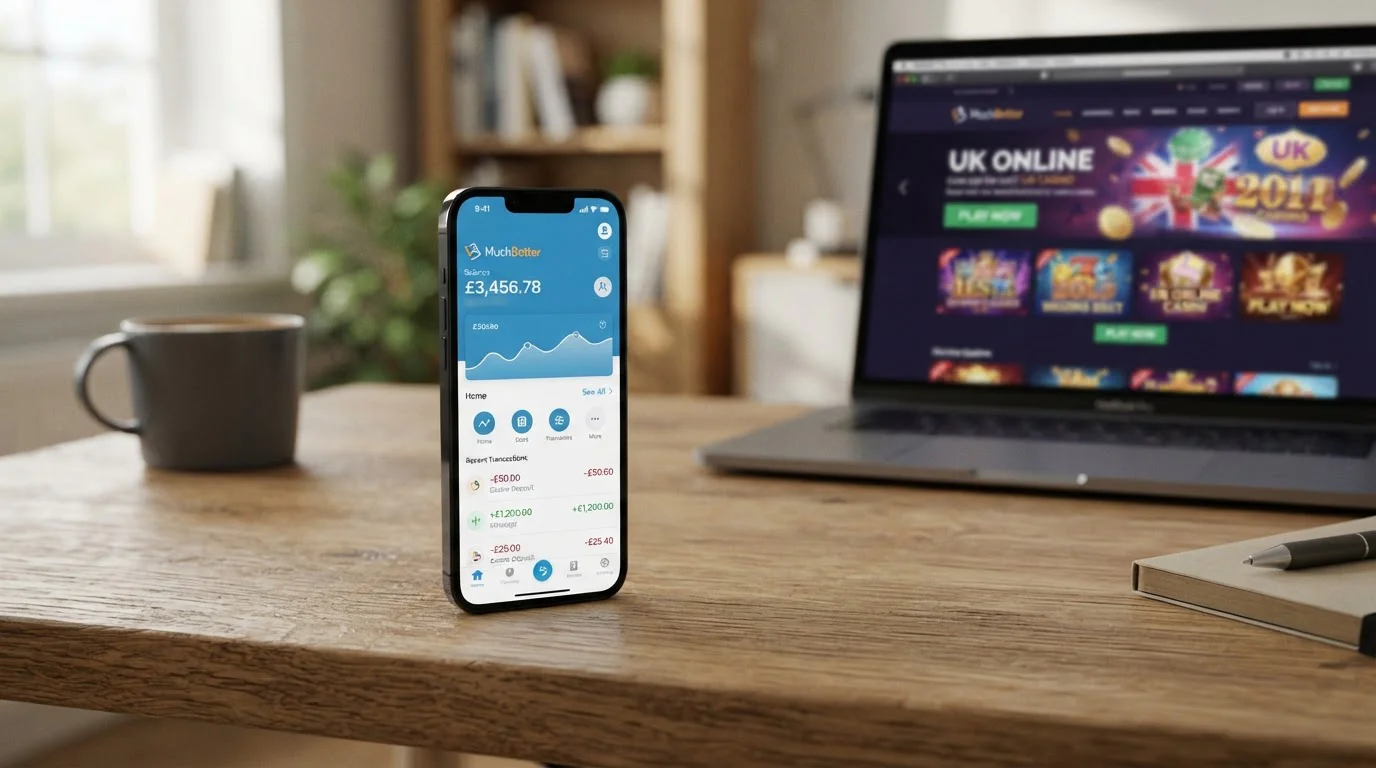
The list of UK casinos accepting phone bill deposits is short. Shorter than most affiliate sites admit. As of mid-2026, roughly four to five UKGC-licensed operators still process true carrier billing—the kind where the charge hits your mobile invoice, no card required. The rest pivoted to Apple Pay and bank transfers years ago, kept the "pay by mobile" branding, and hoped nobody would notice.
This matters because users searching for phone billing aren’t looking for a tokenised Visa transaction dressed up with a mobile-wallet logo. They want the SMS confirmation, the £30 daily cap that stops overspend before it starts, and the convenience of billing to a phone account that already exists. That specific mechanic—direct carrier billing via Fonix or what’s left of Boku—survives at exactly three legal entities in the UK market. Betable Limited charges nothing. Jumpman Gaming adds £2.50 per deposit. ProgressPlay takes fifteen percent.
What follows is the complete breakdown: which casinos accept phone billing in 2026, what each one costs, how the payment flow actually works, and why the method is fading faster than regulators or carriers will publicly admit.
Table of Contents
- What Is Pay by Mobile and How Does It Work?
- Best Pay by Mobile Casinos UK 2026
- Fees, Limits, and Why This Method Is Shrinking
- Payment Processors: Boku, Fonix, Zimpler, and Siru
- Which Mobile Networks Support Pay by Phone Deposits?
- Bonuses, Wagering, and Eligibility
- Slots and Game Selection at Pay by Mobile Casinos
- New Casinos Accepting Pay by Mobile
- Safety, Security, and Responsible Gambling
- How to Choose the Right Pay by Mobile Casino
What Is Pay by Mobile and How Does It Work?
Phone bill deposits sound straightforward until you realise the term covers three distinct payment rails. Direct carrier billing charges your mobile account. Apple Pay and Google Pay tokenise a debit card tied to your phone. A casino app accepting card details on a mobile browser is none of the above. All three get lumped under "pay by mobile" in marketing copy. Only the first qualifies as true phone billing.
Direct carrier billing works through intermediaries—Fonix in 2026, occasionally Zimpler, historically Boku before the backend consolidation. The casino never sees your mobile number beyond the initial verification. The payment processor pings your network (EE, O2, Vodafone, Three), confirms you have billing capacity, and pushes the charge through. Postpaid accounts get the amount added to next month’s invoice under a merchant line item. Pay-as-you-go balances drop instantly. The casino balance updates within seconds. No card number, no bank login, one SMS confirmation.
The appeal is narrow but specific. Privacy sits at the top—your bank statement stays clean, the casino cashier never touches card data, and the mobile bill arrives as a generic merchant charge rather than a named gambling transaction. Budget control follows close behind. The £30 transaction cap is enforced by the Phone-paid Services Authority, not the casino, which means it survives losing streaks and impulse decisions. Once you hit £30 in a day, the rail shuts down regardless of what the session is doing.
The catch—always a catch—is that the method works in one direction only.
The Deposit Process: Step-by-Step
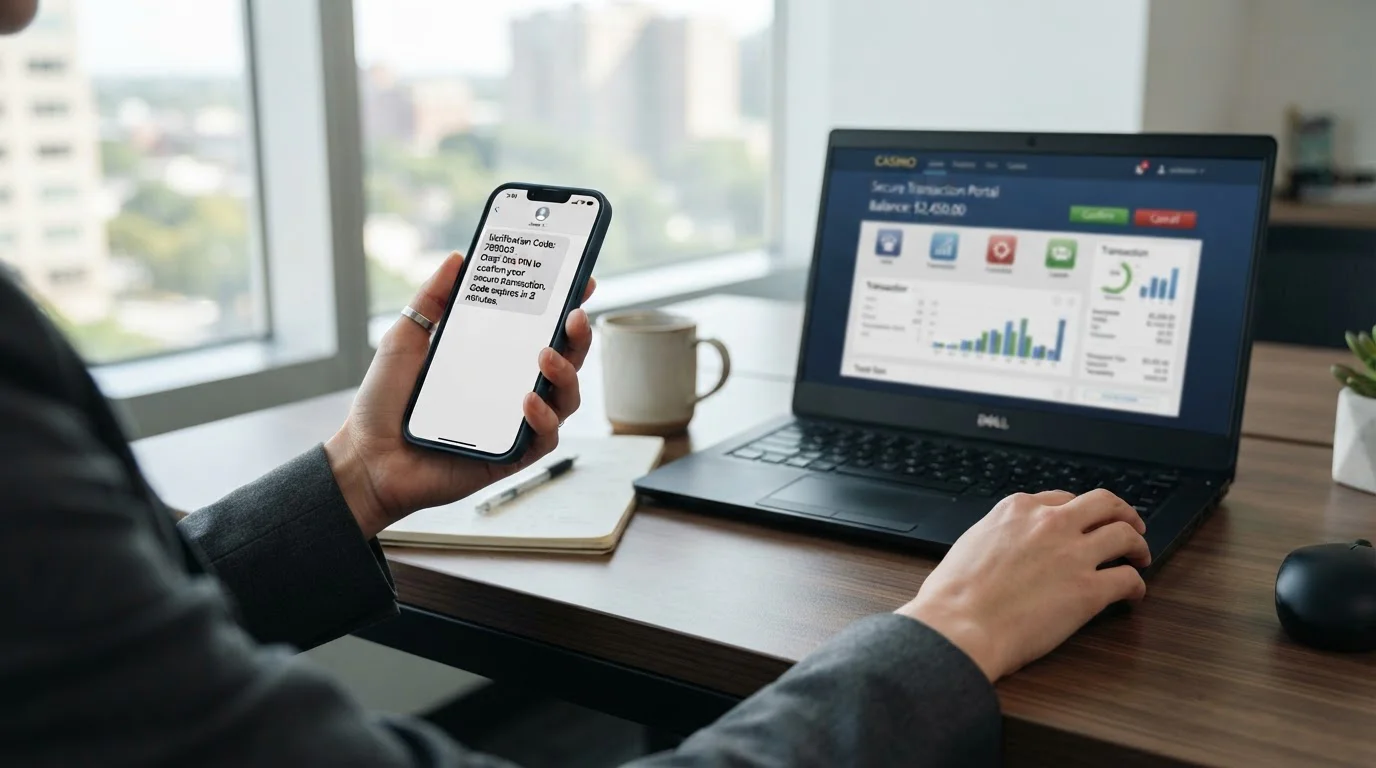
At the casino cashier, select the pay-by-mobile option. Labels vary: some operators still display the Boku logo despite running Fonix backend, others list it as "Pay by Phone" or "Mobile Billing." Enter your UK mobile number and pick a deposit amount between £10 and £30. The processor sends an SMS to that number containing a six-digit PIN. Type the PIN into the casino interface within sixty to ninety seconds. Confirm. The deposit hits your casino balance before the confirmation screen finishes loading.
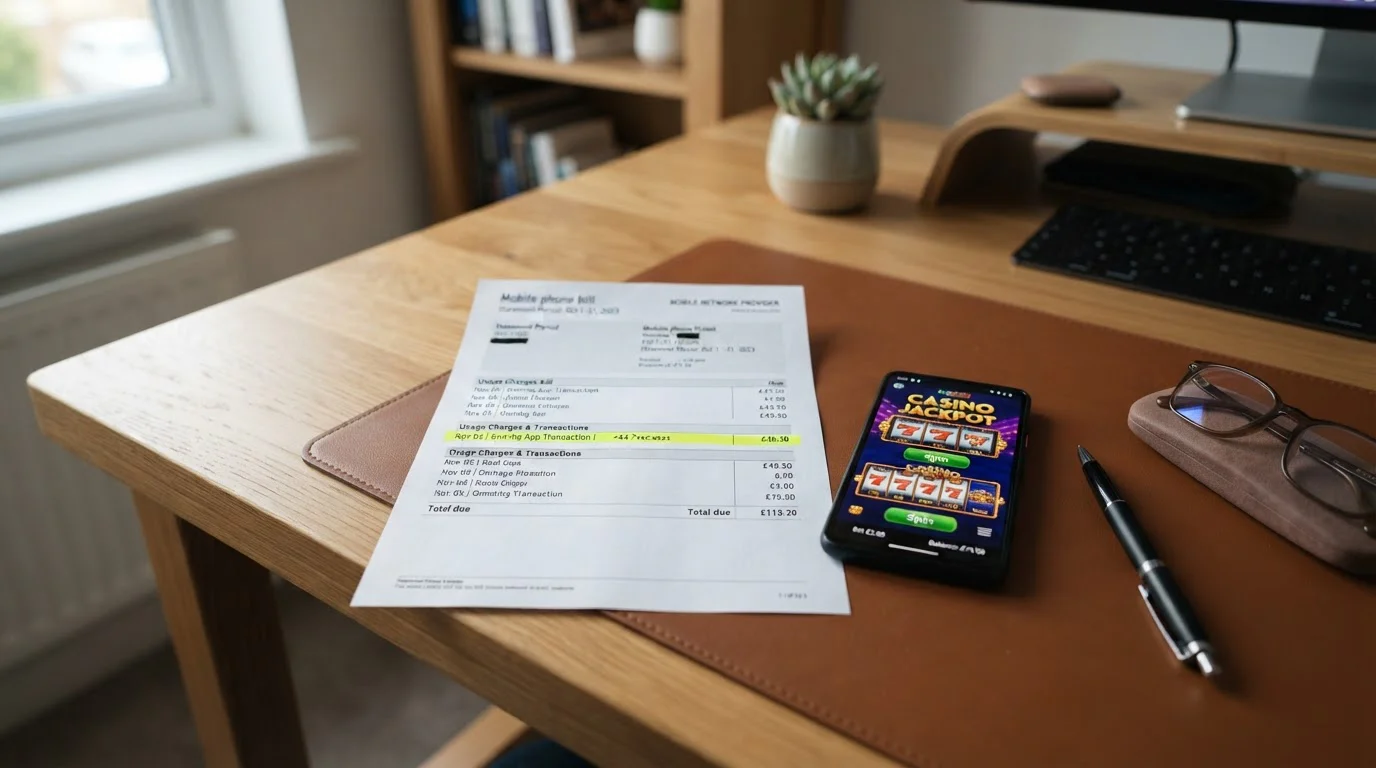
The charge appears on your next mobile bill if you’re on contract. Pay-as-you-go users see the balance deduction immediately. Both routes land you at the same place: funded casino account, no card trail, SMS receipt in your message history.
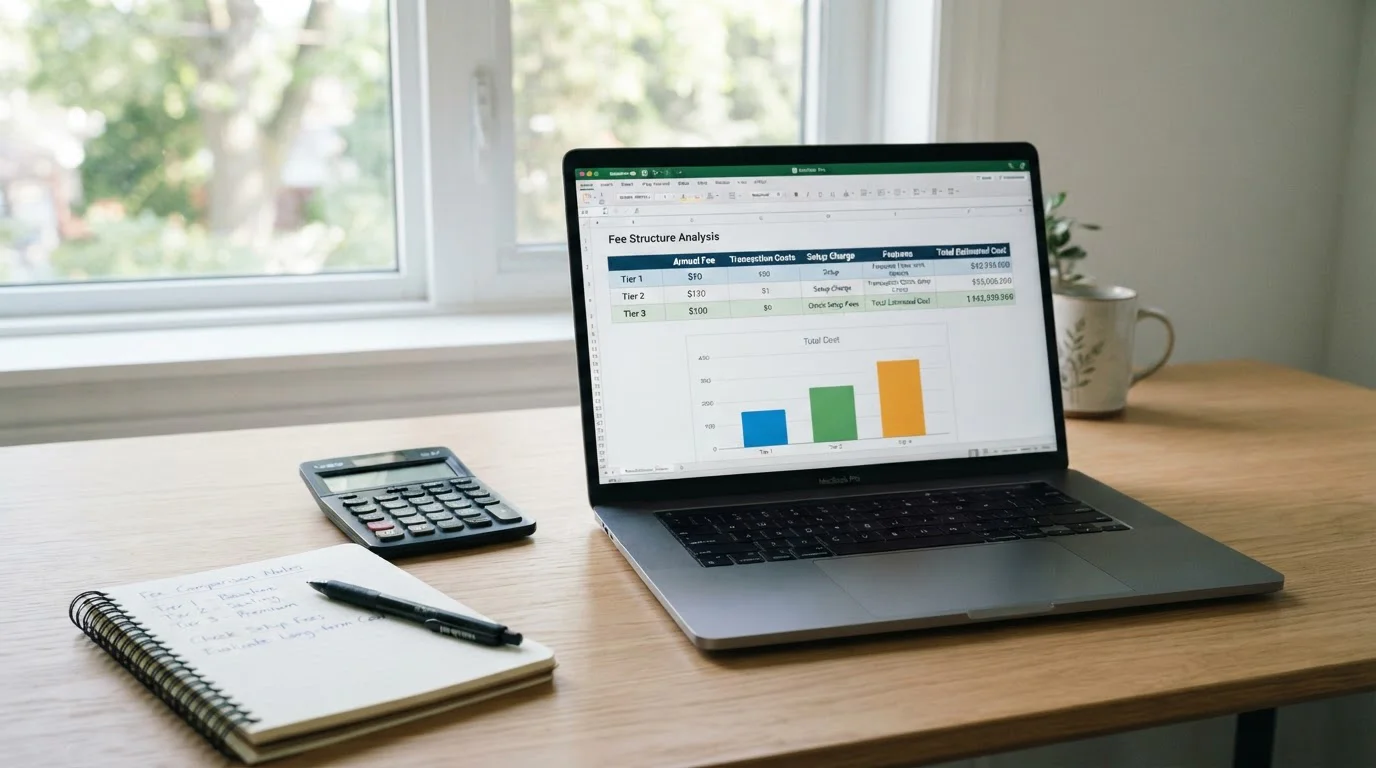
Fees depend entirely on which licensee operates the casino. Betable Limited—running IvyCasino, Oreels, and Bet442—charges nothing. A £10 deposit costs £10. Jumpman Gaming’s sixty-one-site network adds £2.50 flat regardless of amount. ProgressPlay’s Betsuna and JeffBet take fifteen percent. Your mobile network may tack on additional charges for premium billing services depending on your contract terms, though most major UK carriers stopped doing this around 2023.
Postpaid vs. Pay-As-You-Go
Contract customers get the flexibility of delayed billing. The charge accumulates with your monthly usage and hits the bank account tied to your direct debit thirty days later. Pay-as-you-go players fund instantly from available credit, which means the £30 daily cap becomes a hard limit rather than an accounting entry. Run out of credit mid-session and the payment rail closes until you top up.
Both routes support the same transaction limits. The Phone-paid Services Authority caps individual deposits at £40 and monthly spending at £240 across all premium services, not just gambling. Most UKGC operators set their own ceiling lower—£30 per transaction is standard, with some capping daily totals at £40 or £60 depending on backend configuration. These limits stack. Deposit £30 at Oreels, then £30 at an unrelated Jumpman site, and you’ve used £60 of your £240 monthly allocation even though the two casinos share no infrastructure.
The caps exist to satisfy regulators and protect carriers from payment defaults, not to help players manage bankroll. That they incidentally function as a responsible gambling guardrail is a side effect, not the design goal.
Why You Cannot Withdraw to Your Phone Bill
No reverse payment rail exists. Casinos cannot push funds onto a mobile account because carrier billing systems were never architected for bidirectional flow. The infrastructure connects merchant to customer in one direction: charge requests travel downstream, confirmations travel back upstream, and that’s the entire protocol. Building withdrawal capability would require carriers to hold gambling operator funds in escrow, process payout requests through billing systems designed for subscription services and one-off purchases, and accept liability for reversed transactions.
None of the UK network operators want that risk. The UKGC wouldn’t permit it even if they did. Phone billing is classified as a deposit-only payment method in licensing guidance, which means every casino accepting it must verify at least one alternative withdrawal route before processing a cashout. Players using Fonix to fund their account will withdraw via debit card, bank transfer, PayPal, or Trustly. That verification step—uploading ID documents, confirming card ownership, waiting for manual approval—happens before the first withdrawal clears, regardless of how much you’ve deposited or how long the account has been active.
The deposit-only constraint makes phone billing impractical as a primary payment method. It works for casual players making small deposits who already have a verified card or e-wallet on file. For anyone else, the friction of maintaining two separate payment methods defeats the convenience that made carrier billing appealing in the first place.
How do I deposit at a casino using my phone bill?
Select pay by mobile at the casino cashier, enter your UK mobile number, choose a deposit amount between £10 and £30, receive an SMS PIN, enter the PIN within ninety seconds, and confirm. The deposit credits your casino balance instantly. Postpaid accounts are billed next month; pay-as-you-go balances deduct immediately. Fees depend on the operator: Betable charges nothing, Jumpman adds £2.50, ProgressPlay takes fifteen percent.
Can I withdraw winnings to my mobile phone bill?
No. Carrier billing is deposit-only because no reverse payment infrastructure exists. Casinos cannot push funds onto a mobile account. Withdrawals require an alternative method—debit card, bank transfer, PayPal, or Trustly—verified through KYC before the first cashout processes. This makes phone billing unsuitable as a standalone payment solution despite the convenience of SMS-confirmed deposits.
Best Pay by Mobile Casinos UK 2026
Three licensees accept phone bill deposits at UKGC-regulated casinos in 2026. Betable Limited operates three brands with zero-fee Fonix billing. Jumpman Gaming runs sixty-one sites under a unified backend, all charging £2.50 per deposit. ProgressPlay’s two UK-facing casinos use an alternative payment rail with fifteen percent fees. Everything else claiming "pay by mobile" support either redirects to Apple Pay, accepts only card-on-mobile, or operates offshore without UK consumer protections.
The table below compares verified operators by fee structure, withdrawal speed, and UKGC licence transparency. Rows are ordered by cost: free deposits first, flat-fee second, percentage-based third.
| Operator | UKGC Licence | Deposit Fee | Minimum Deposit | Withdrawal Time | Distinguishing Feature | |—|—|—|—|—| | Oreels | 23328 | £0 | £10 | Under 4 hours | Only Betable brand with live dealer tables | | IvyCasino | 23328 | £0 | £10 | PayPal 1-3 days | Strongest payment-method stack in UK market | | Bet442 | 23328 | £0 | £10 | E-wallets 24 hours | Football-focused sportsbook with Bet Builder | | Aladdin Slots | 39175 | £2.50 | £10 | 1-3 days | Arabian Nights theme, operational since 2017 | | Amazon Slots | 39175 | £2.50 | £10 | 1-3 days | Shared wallet across 61 Jumpman brands | | Big Thunder Slots | 39175 | £2.50 | £10 | 1-3 days | Slots-focused with daily prize wheel | | Crystal Slots | 39175 | £2.50 | £10 | 1-3 days | 1000+ titles, scratch card and bingo promos | | Pay By Mobile Slots | 39175 | £2.50 | £10 | 1-3 days | On-theme branding for phone billing audience | | Thor Slots | 39175 | £2.50 | £10 | 1-3 days | Norse mythology theme, network promotions | | Egypt Slots | 39175 | £2.50 | £10 | 1-3 days | Egyptian theme, Jumpman backend | | Umbingo | 39175 | £2.50 | £10 | 1-3 days | Bingo-focused with slots, network promotions | | Betsuna | 39335 | 15% | £10 | 1-5 days | Dual MGA/UKGC licensing, 24/7 live chat | | JeffBet | 39335 | 15% | £10 | Same-day to 5 days | Launched April 2022, 2500+ games |
The fee difference matters more than marketing suggests. A £30 deposit at Oreels costs £30. The same deposit at Aladdin Slots costs £32.50. At Betsuna, £34.50. Over ten deposits the gap widens to £25 or £45 depending on which licensee you pick. For players using phone billing as their primary funding method—rare, given the withdrawal constraint, but not unheard of—the Betable brands deliver measurably better value than alternatives.
Withdrawal speeds cluster around the one-to-three-day range for most operators. Oreels claims under four hours, though verification delays and weekend processing can stretch that. IvyCasino separates by method: PayPal clears faster than debit cards, Trustly faster than bank transfer. Jumpman sites share processing infrastructure, which means payout times stay consistent across the network regardless of which themed front door you entered through.

Zero-Fee Tier: Betable Limited Brands
Betable Limited holds UKGC licence 23328 and operates three casinos accepting Fonix phone bill deposits without added fees. The Manchester-based licensee partnered with Fonix early enough to negotiate merchant terms that permit cost absorption—something Jumpman Gaming and ProgressPlay either couldn’t or wouldn’t match. All three Betable brands share the same backend payment infrastructure and regulatory clean sheet. No fines, no sanctions, no licensing review flags as of 2026.
Games come from Grace Media (Gibraltar) Limited under separate UKGC software licence 57869. The partnership keeps Betable focused on operations and compliance while Grace handles platform delivery and game aggregation. For players, this structure is invisible. For licence verification purposes, both entities appear in UKGC Public Register entries.
The three brands differentiate by audience. Oreels skews toward slots players who want live dealer access. IvyCasino prioritises payment-method variety. Bet442 anchors on sports betting with casino as a secondary vertical. Same zero-fee Fonix billing across all three, different front-end positioning.
Oreels
Operational since 2018, Oreels carries the longest track record among Betable’s UK-facing brands. The Irish theme runs heavier than most competitors bother with—Celtic slots occupy dedicated menu placement, green-and-gold colour scheme persists across desktop and mobile interfaces, and the promotional calendar leans into St. Patrick’s Day harder than is strictly necessary for a Manchester-licensed operator.
Game selection clears two thousand titles: three-reel classics for players who remember when slots had fruit symbols and nothing else, five-reel video slots from Pragmatic Play and Relax Gaming, Megaways variants pushing 117,649 ways per spin, Slingo hybrids for the crossword-adjacent crowd. Blueprint’s Jackpot King network slots appear here despite being more commonly associated with larger operators. The standout feature—one Betable brands exclusive to Oreels—is live dealer tables. Blackjack, roulette, and speed roulette variants with real humans dealing real cards streamed from studios that look suspiciously similar across every live casino provider in Europe.
The welcome offer sits at 100% match up to £25 for deposits of £20 or more. Lower than UK market average, which typically centres around £50 to £100. The cap reflects the brand’s budget-friendly positioning rather than any operational constraint. Wagering applies to the deposit amount—not the bonus—at thirty times, which produces an effective requirement substantially lower than the usual "thirty times deposit plus bonus" formula. Deposit £20, receive £20 bonus, wager £600 total before the bonus converts to withdrawable cash. Slots contribute fully. Table games don’t contribute at all.
Withdrawal speed claims "under four hours" in marketing copy and on comparison sites that tested the cashier flow. Real-world timing depends on verification status—first withdrawals queue behind manual document review, returning players with approved KYC sail through faster—and whether the request hits during weekend skeleton-staff periods. The target is aggressive. Whether it’s consistently met is another question. Payment methods for cashouts include debit cards (three to five days), Trustly and MuchBetter e-wallets (one to two days), and the upcoming PayPal integration that keeps getting described as "expected soon" without anyone committing to a launch date.
Phone bill deposits via Fonix cost nothing. £10 minimum, £30 maximum per transaction, instant credit. The zero-fee model is Betable’s core differentiator. Every other licensee either charges a flat amount or takes a percentage, which makes Oreels and its sibling brands objectively cheaper for players funding via mobile billing. Whether that savings offsets the lower bonus cap or narrower game selection compared to larger networks depends entirely on what you value more: upfront cost or promotional generosity.
IvyCasino
IvyCasino launched alongside Oreels in 2018 under the same Betable Limited licence. Where Oreels goes Celtic, IvyCasino stays neutral—no overt theme, no mascot, no colour scheme commitments beyond purple accents that could belong to any casino built in the past decade. The six hundred game library skews smaller than Oreels but covers the same provider roster: Pragmatic Play, Big Time Gaming, Blueprint, Relax Gaming, ReelPlay, Slingo Originals.
Megaways slots get dedicated filtering, presumably because someone at Betable noticed that players searching specifically for 117,649-way games represent a targetable micro-segment. Titles include Bonanza Megaways, Eye of Horus Megaways, Fishin’ Frenzy Megaways—the standard rotation that appears at every UK casino launched since Big Time Gaming’s mechanic went mainstream. Slingo hybrids occupy their own category: Slingo Rainbow Riches, Slingo Deal or No Deal, and the dozen other branded crossovers that work better than anyone expected when Slingo Originals started licensing IP from slot studios and game show properties.
The live casino runs roulette, blackjack, and speed roulette. No live dealer slots, no game shows, no baccarat or poker variants. Stripped-down offering compared to operators who treat live as a primary vertical, but sufficient for players who want the occasional human dealer without committing to a full live-focused session.
What distinguishes IvyCasino from its Betable siblings is the payment-method stack. PayPal, Apple Pay, Google Pay, Trustly, and MuchBetter all work for deposits and withdrawals. That combination is rare in the UK market—most operators support three or four of those methods, not all five simultaneously under one UKGC licence. For players who prioritise payment flexibility over game selection breadth, IvyCasino delivers measurably more options than competitors.
The welcome bonus matches Oreels: 100% up to £50 for deposits of £20 or higher, thirty times wagering on the deposit amount, seven-day claim window. The £50 cap reflects an increase from the original £25 ceiling, though both brands still sit below UK market norms for first-deposit matches. Slots-only contribution means table players and live casino enthusiasts fund the bonus without clearing it. One offer per household, one per payment method, one per IP address—standard anti-abuse guardrails that block obvious multi-account attempts without catching legitimate users in crossfire.
Withdrawal times separate by method. PayPal clears in one to three days. Trustly and MuchBetter target one to two days. Debit cards take three to five. The general estimate advertised across help documentation and comparison sites settles at "one to five days" without committing to method-specific SLAs. KYC verification must complete before the first cashout processes—ID document, proof of address, payment method confirmation. Returning players with approved accounts skip the queue.
Fonix deposits work identically to Oreels: £10 minimum, £30 maximum, zero fee, instant credit. The phone billing flow triggers the same SMS PIN confirmation regardless of which Betable brand you access. Backend processing runs through the same Fonix partnership that enables the cost-absorption model. For players comparing Betable’s three options, the choice hinges on whether you want Oreels’ live dealers, IvyCasino’s payment variety, or Bet442’s sportsbook.
Bet442
Bet442 launched in 2024 under Betable Limited after migrating from AG Communications Limited (UKGC licence 39483). The shift brought Bet442’s sportsbook-plus-casino model under the same licensing and payment infrastructure as Oreels and IvyCasino, which means players now access the same zero-fee Fonix billing that distinguishes Betable’s UK operation from every other licensee in the phone-billing space.
Football dominates the sportsbook. Premier League markets run deepest, with Bet Builder functionality allowing same-game parlays across goal scorers, corner counts, card totals, and result. Horse racing and greyhound coverage exists but feels secondary. Tennis, cricket, and esports fill out the menu without approaching the depth major bookmakers provide. The platform positions itself as mid-tier: more comprehensive than pure casino operators adding sports as an afterthought, less exhaustive than SkyBet or Bet365.
In-play betting includes cash-out on eligible markets. Live streaming works for esports and racing via mobile app—desktop users see match trackers and live stats instead of video feeds. The free-streaming offer distinguishes Bet442 from casino-first competitors who treat sports as a checkbox feature rather than a developed vertical.
The welcome offer targets sports: "Bet £20, get £20 in free bets" splits into one £10 free bet plus two £5 Bet Builder free bets. Minimum odds of evens (2.0) apply. Free bet stakes don’t return with winnings—standard across UK bookmakers. No promo code required, which saves users from hunting down activation strings before the offer expires.
Casino selection runs over two thousand slots from NetEnt, Pragmatic Play, and Playtech. Live dealer tables, blackjack, roulette, and video poker round out the gaming vertical. The casino offering mirrors Oreels and IvyCasino in provider roster but lacks the live-dealer exclusivity that sets Oreels apart or the payment-method breadth that defines IvyCasino’s positioning.
Withdrawal times sit at twenty-four hours for e-wallets, one to five business days for debit cards. KYC verification blocks the first cashout until identity and address documents clear manual review. Returning players withdraw faster. Payment methods include debit cards (Visa, Mastercard), e-wallets where supported, pay by mobile for deposits only, and bank transfer.
Fonix phone billing works at the same £10 minimum, £30 maximum, zero fee as the other Betable brands. A £10 deposit costs £10. That positioning remains Betable’s core market advantage: every alternative licensee either charges flat fees or takes percentages, which makes Bet442 objectively cheaper for players funding sports or casino balances via mobile billing. Whether the narrower sports depth compared to major bookmakers or the mid-tier casino library compared to slots-specialist operators offsets that cost advantage depends on whether you value breadth or expense more.
£2.50 Fee Tier: Jumpman Gaming Network
Jumpman Gaming Limited holds UKGC licence 39175 and operates sixty-one casino brands under a unified backend. One wallet spans the entire network—deposit at Aladdin Slots, withdraw at Amazon Slots, and your balance follows you across every themed front door Jumpman operates. Game providers, payment rails, bonus mechanics, and compliance infrastructure are shared. What differs is branding: Arabian Nights here, Norse mythology there, Egyptian themes, generic slot branding, bingo-focused variants.
The network launched in 2010 and expanded aggressively through the mid-2010s when multi-skin strategies still worked in UK affiliate marketing. Sixty-one brands is the current count, though not all accept phone billing. The ones that do route through Fonix with a £2.50 flat fee per deposit. A £10 deposit costs £12.50. A £30 deposit costs £32.50. The fee applies regardless of amount, which makes smaller deposits proportionally more expensive.
Jumpman reduced bonus wagering from sixty-five times to ten times in January 2026 across the entire network. That shift brought the operation into line with UK market norms after years of running wagering requirements so high that bonus terms effectively functioned as marketing decoration rather than claimable offers. Ten times is competitive. It’s not generous—some operators run five times, others three—but it’s no longer a deal-breaker for players who actually read terms before depositing.
The daily prize wheel persists across all Jumpman brands. Spin once per day, win free spins or bonus credit or nothing. Engagement mechanic, not value delivery. The wheel exists to drive daily logins, not to hand out meaningful rewards.
Representative brands below cover the range of thematic positioning Jumpman deploys. Same backend, same £2.50 fee, same ten-times wagering. Different front doors.
Aladdin Slots
Operational since 2017, Aladdin Slots runs the longest among Jumpman’s phone-billing brands. The Arabian Nights theme commits harder than most network skins: purple and orange colour scheme, lamp-and-desert imagery across landing pages, and promotional copy that never met a genie metaphor it didn’t try to stretch into a welcome offer.
Game selection matches the Jumpman standard—providers include NetEnt, Pragmatic Play, Eyecon, and the usual aggregator roster. Slots dominate. Table games exist but occupy a secondary menu layer that suggests they’re included for licence compliance rather than player demand. The daily prize wheel triggers after login. Free spins as prizes feed into Jumpman’s broader push to keep users returning daily rather than depositing once and churning.
The welcome offer delivers five hundred free spins after a £10 or greater minimum deposit. Split across multiple days, attached to specific slots, capped at low per-spin values. Wagering sits at ten times free-spin winnings. Claim window runs seven days from registration. One offer per household, standard anti-abuse filters apply. The "500 free spins" headline reads more impressive than the actual value delivered once you parse the split and caps, but it matches network norms for promotional structure.
Withdrawal times land at one to three days for most methods. Debit cards, e-wallets, and bank transfers all clear within that window assuming KYC verification completed during the first cashout. The shared Jumpman wallet means you can deposit at Aladdin Slots and withdraw at Thor Slots using the same balance—useful if one brand’s cashier temporarily lags or if you prefer a different front-end interface for withdrawal submission.
Fonix deposits run £10 minimum, £30 maximum, £2.50 flat fee. That fee applies whether you deposit £10 (effective 25% fee) or £30 (effective 8.3% fee), which makes larger deposits more cost-efficient. Phone billing is deposit-only—withdrawals require verified debit card, bank transfer, or e-wallet.
Amazon Slots
Amazon Slots shares the same Jumpman backend as Aladdin Slots, which means the wallet, game library, bonus structure, and payment fees are identical. What differs is theming—Amazon Slots skips specific visual commitments beyond generic jungle and exploration imagery that reads more like placeholder art than branded positioning.
The shared wallet mechanic means funds deposited here appear across every other Jumpman brand you access using the same login credentials. Withdraw from Amazon Slots, deposit at Crystal Slots, and the balance reflects both transactions instantly. That cross-brand fungibility is Jumpman’s core operational advantage: players who like variety can rotate through different themed sites without maintaining separate balances or re-verifying payment methods sixty-one times.
Game selection mirrors network norms. Slots from NetEnt, Pragmatic Play, Blueprint, and aggregator partners. Daily prize wheel. Ten-times wagering on bonuses since the January 2026 network-wide reduction. Welcome offers vary slightly by brand but generally land in the "deposit £10, receive free spins or match bonus" range with rollover requirements that clear within a week or two of normal play.
Fonix billing costs £2.50 per deposit regardless of amount. £10 minimum, £30 maximum, instant credit. Withdrawal times sit at one to three days depending on method and whether this is your first cashout. KYC verification blocks initial withdrawals—ID document upload, address proof, payment method confirmation. Returning players withdraw faster.
The brand’s main distinction is that it doesn’t try to distinguish itself. No overt theme, no mascot, no claim to specialisation. Generic Jumpman skin accepting the same phone billing terms as every other network site. For players who prefer function over branding, that’s feature enough.
Big Thunder Slots
Big Thunder Slots runs slots-focused positioning within Jumpman’s network, though "slots-focused" describes nearly every brand the licensee operates. The name suggests thunder or storm theming. The actual site delivers generic slot imagery and promotional copy that could belong to any Jumpman skin launched in the past five years.
Game library matches network standard. Providers include the usual suspects—NetEnt, Pragmatic Play, others—with slots heavily outweighing table games in both quantity and menu prominence. The daily prize wheel triggers on login. Bonus wagering runs ten times since the January 2026 network-wide adjustment.
Welcome offers vary by current promotion but generally follow Jumpman’s template: deposit minimum £10, receive match bonus or free spins, wager ten times, clear within specified timeframe. One offer per household. Standard exclusions for Skrill and Neteller deposits where bonus eligibility is concerned.
Withdrawal times land at one to three days. Debit cards, bank transfers, e-wallets all process within that window assuming KYC cleared. The Jumpman shared wallet means funds deposited at Big Thunder Slots appear instantly at Thor Slots or Egypt Slots or any other network brand using the same account credentials.
Fonix deposits: £10 minimum, £30 maximum, £2.50 flat fee, instant credit. Same terms as every Jumpman site. Withdrawals require alternative payment method verification—phone billing doesn’t support cashouts.
Crystal Slots
Crystal Slots carries over one thousand titles from providers including NetEnt, Playson, and Pragmatic Play. Regular scratch card and bingo promotions run alongside standard slot offerings, which gives the brand slightly more vertical variety than pure slots-only network skins.
The game library matches Jumpman’s aggregated catalogue. Slots dominate. Table games exist in limited selection. Live casino appears where licence terms require it but doesn’t receive promotional emphasis. The daily prize wheel, shared wallet, and ten-times wagering structure mirror network norms.
Scratch cards receive dedicated menu placement and periodic promotional boosts—deposit bonuses tied to scratch play, free cards as login rewards. The bingo vertical runs room-based games with scheduled session times and jackpot pools. Neither scratch nor bingo approach the depth specialist operators provide, but they broaden the content mix beyond slots-only competitors within Jumpman’s portfolio.
Welcome offers follow network template: minimum £10 deposit, match bonus or free spins, ten times wagering, claim within seven days. One per household. Skrill and Neteller typically excluded from bonus eligibility. Withdrawal times sit at one to three days for most methods post-KYC verification.
Fonix billing runs £2.50 per deposit, £10 to £30 range, instant credit. Shared Jumpman wallet means the balance works across all sixty-one network brands. Withdrawals require verified card, e-wallet, or bank transfer—phone billing is deposit-only across the entire network.
Pay By Mobile Slots
Pay By Mobile Slots targets the exact audience searching for phone billing options with on-theme branding and a name that converts searches directly into traffic. The site operates under Jumpman Gaming’s UKGC licence 39175 with the same backend infrastructure, game library, and £2.50 Fonix fee as every other network brand.
Game selection mirrors Jumpman standard: slots from NetEnt, Pragmatic Play, Blueprint, aggregator partners. Daily prize wheel. Shared wallet across all network sites. Ten-times bonus wagering since January 2026. Welcome offer runs £10 minimum deposit with match bonus or free spins, one per household, standard anti-abuse filters.
The brand’s positioning is its name. Users searching for "pay by mobile slots" who land here find exactly what the URL promised: UKGC-licensed slots site accepting phone bill deposits. No bait-and-switch to Apple Pay, no redirect to card-only cashier. Actual Fonix billing at £10 to £30 per transaction with £2.50 flat fee.
Withdrawal times match network norms: one to three days for debit cards, e-wallets, bank transfers. KYC verification required before first cashout. Returning players withdraw faster. Shared wallet means funds deposited here appear at Thor Slots, Amazon Slots, or any other Jumpman brand using the same login.
Fonix deposits: £10 minimum, £30 maximum, £2.50 fee, instant credit. Withdrawals require alternative method verification—phone billing doesn’t support cashouts across the entire Jumpman network.
Thor Slots
Thor Slots runs Norse mythology theming within Jumpman’s sixty-one-brand network. Vikings, hammers, runes—the visual vocabulary you’d expect from a slot site named after the thunder god. Game library, payment rails, bonus structure, and backend infrastructure match every other Jumpman skin: shared wallet, £2.50 Fonix fee, ten-times wagering, one-to-three-day withdrawals.
Slots dominate the catalogue. NetEnt, Pragmatic Play, and aggregator partners provide the games. Table games exist in limited selection. Live casino appears where required by licence terms. Daily prize wheel triggers on login. Network promotions run across all Jumpman brands including Thor Slots—seasonal bonuses, loyalty schemes, free spin drops tied to new game launches.
Welcome offer follows Jumpman template: deposit £10 minimum, receive match bonus or free spins, wager ten times, claim within seven days. One per household. Skrill and Neteller often excluded from bonus eligibility. Withdrawal times sit at one to three days assuming KYC verification cleared during first cashout.
Fonix billing: £10 to £30 per deposit, £2.50 flat fee, instant credit. Shared wallet means the balance works at Egypt Slots, Aladdin Slots, or any other network brand. Withdrawals require verified debit card, e-wallet, or bank transfer—phone billing is deposit-only.
Egypt Slots
Egypt Slots carries Egyptian theming—pyramids, pharaohs, scarabs—within Jumpman Gaming’s network infrastructure. Same backend as Thor Slots and Aladdin Slots, which means shared wallet, £2.50 Fonix fee, ten-times bonus wagering, and one-to-three-day withdrawal times.
Game library matches network standard: slots from NetEnt, Pragmatic Play, Blueprint, others. Daily prize wheel. Network promotions. Limited table game selection. Live casino where licence requires it. Welcome offer runs deposit £10 minimum, receive match bonus or free spins, wager ten times, one per household.
Fonix deposits: £10 to £30 range, £2.50 flat fee, instant credit. Withdrawals via debit card, e-wallet, or bank transfer after KYC verification. Shared wallet makes funds accessible across all sixty-one Jumpman brands using the same login credentials.
The brand differentiates through theme, not mechanics. For players who want Egyptian slot visuals and don’t care about backend uniqueness, Egypt Slots delivers that front-end while routing payment through the same Jumpman infrastructure as every network sibling.
Umbingo
Umbingo focuses on bingo with slots as secondary vertical, which inverts the content priority most Jumpman brands deploy. Bingo rooms run scheduled sessions with jackpot pools and chat functionality. Slots fill out the game library using the standard Jumpman provider roster—NetEnt, Pragmatic Play, aggregator partners.
The shared wallet, £2.50 Fonix fee, and ten-times wagering structure mirror network norms. Daily prize wheel triggers on login. Network promotions apply to Umbingo alongside all other Jumpman brands. Welcome offers target bingo: deposit £10, receive bingo bonus tied to specific rooms, wager ten times on bingo or slots.
Withdrawal times sit at one to three days for debit cards, e-wallets, and bank transfers post-KYC verification. Fonix billing runs £10 to £30 per deposit, £2.50 flat fee, instant credit. Withdrawals require verified alternative payment method—phone billing doesn’t support cashouts.
For players who prefer bingo over slots and want phone billing access, Umbingo delivers both within Jumpman’s UKGC-licensed infrastructure. For slots-first players, any other network brand offers equivalent functionality with less bingo emphasis.
15% Fee Tier: ProgressPlay Brands
ProgressPlay Limited operates under UKGC licence 39335 alongside Malta Gaming Authority licence MGA/B2C/231/2012. The dual-licensing structure lets the company serve UK and international markets through the same platform infrastructure while maintaining separate compliance frameworks for each jurisdiction. Two UK-facing brands—Betsuna and JeffBet—accept mobile billing via an alternative payment rail that charges fifteen percent per transaction rather than the flat fees Betable and Jumpman deploy.
That percentage model makes smaller deposits disproportionately expensive. A £10 deposit costs £11.50. A £20 deposit costs £23. A £30 deposit costs £34.50. The fee scales linearly, which means the effective cost increases faster than Jumpman’s flat £2.50 regardless of deposit size. For players funding frequently via phone billing, ProgressPlay’s percentage structure delivers worse value than either zero-fee Betable or flat-fee Jumpman alternatives.
The trade-off—if there is one—sits in broader content offerings. Both Betsuna and JeffBet combine casino and sportsbook under unified accounts, which mirrors Bet442’s positioning but with different backend infrastructure and payment terms. Whether that justifies a fifteen percent fee depends entirely on whether you value combined verticals over deposit cost efficiency.
Betsuna
Betsuna launched under ProgressPlay’s dual MGA/UKGC licensing and operates combined casino plus sportsbook verticals. The Malta registration (C58305) handles international markets; UKGC licence 39335 (reference 039335-R-319313-020) covers UK players specifically. Game library includes slots, roulette, blackjack, live casino, and a crash game that attempts to capture the Aviator-style demographic without licensing the actual Aviator title.
Payment methods span cards, e-wallets (Skrill and Neteller excluded from bonuses), prepaid vouchers, bank transfers, and pay by mobile at fifteen percent fee. The welcome bonus matches 100% up to £100 for minimum €10 deposits, though Skrill and Neteller fund the account without qualifying for promotional credit. Wagering sits at ten times on bonus and free-spin winnings, £5 maximum bet during active bonus, standard across ProgressPlay’s portfolio.
Customer support runs twenty-four-seven via live chat and email. The dual-licensing setup means the same support infrastructure handles queries from UK players subject to UKGC rules and international players operating under MGA jurisdiction. Withdrawal times land at one to five working days depending on method and verification status. First cashouts queue behind manual KYC review—ID document, address proof, payment method confirmation.
Mobile billing runs through ProgressPlay’s alternative payment rail rather than the Fonix infrastructure Betable and Jumpman use. That rail charges fifteen percent per transaction. A £10 deposit costs £11.50. A £30 deposit costs £34.50. The fee applies regardless of how frequently you deposit or how long the account has been active. Phone billing is deposit-only—withdrawals require verified debit card, e-wallet, or bank transfer.
For players prioritising dual MGA/UKGC licensing or who specifically want ProgressPlay’s game aggregation approach, Betsuna delivers that combination. For players optimising deposit cost, the fifteen percent fee makes Betable’s zero-cost or Jumpman’s flat £2.50 measurably cheaper over time.
JeffBet
JeffBet launched in April 2022 under ProgressPlay Limited’s UKGC licence 39335 and MGA licence MGA/B2C/231/2012. The combined casino and sportsbook targets the same dual-vertical audience as Betsuna but with separate branding and promotional calendar. Game catalogue runs over 2,500 slots, live tables, and jackpot games from ProgressPlay’s aggregated provider roster.
Payment methods include debit cards, e-wallets, bank transfers, and pay by mobile at fifteen percent fee. Free bets and bonuses carry seven-day validity from credit. Withdrawal requests void all active and pending bonuses—standard anti-abuse measure that forces players to choose between cashing out and completing rollover. Wagering terms mirror ProgressPlay network norms: ten times on bonus and free-spin winnings, maximum bet limits during active bonus, Skrill and Neteller deposits typically excluded from promotional eligibility.
Payout speed varies by method: same-day to five days depending on whether you’re withdrawing to e-wallet, debit card, or bank transfer. KYC verification must complete before first cashout processes. Returning players with approved documents withdraw faster. The "fast payout speed" emphasized in marketing copy refers to the upper end of that range—same-day e-wallet cashouts—rather than a guaranteed SLA across all methods.
Mobile billing costs fifteen percent per transaction. £10 deposit costs £11.50. £20 costs £23. £30 costs £34.50. The percentage fee makes ProgressPlay’s payment rail more expensive than Betable’s zero-cost model or Jumpman’s flat £2.50 across all deposit sizes. Phone billing is deposit-only—withdrawals require alternative method verification.
JeffBet’s positioning as a 2022 launch gives it a newer-entrant narrative compared to Betable brands operational since 2018 or Jumpman sites running since 2017. Whether that newness translates to better platform experience or just less operational history depends on what you value more: track record or recent infrastructure.
Which UK casinos accept pay by mobile deposits in 2026?
Betable Limited operates IvyCasino, Oreels, and Bet442 with zero-fee Fonix deposits under UKGC licence 23328. Jumpman Gaming Limited runs sixty-one sites including Aladdin Slots, Amazon Slots, Crystal Slots, and Umbingo with £2.50 flat-fee Fonix billing under UKGC licence 39175. ProgressPlay Limited operates Betsuna and JeffBet with fifteen percent mobile billing fees under UKGC licence 39335. These three licensees represent the complete UKGC-regulated phone billing market as of mid-2026.
What are the fees for pay by mobile casino deposits?
Betable charges nothing—£10 deposits cost £10. Jumpman Gaming adds £2.50 flat regardless of amount—£10 costs £12.50, £30 costs £32.50. ProgressPlay takes fifteen percent—£10 costs £11.50, £30 costs £34.50. Your mobile network may add premium billing charges depending on contract terms, though most major UK carriers stopped this practice around 2023. Fees apply per transaction and are non-refundable even if you reverse the casino deposit.
Fees, Limits, and Why This Method Is Shrinking
The Phone-paid Services Authority caps phone billing at £40 per transaction and £240 per month across all premium services, not just gambling. Most UKGC casinos set their own ceiling lower—£30 per transaction is standard, with some operators capping daily totals at £40 or £60 depending on backend rules. These limits stack. Deposit £30 at Oreels, then £30 at Aladdin Slots, and you’ve used £60 of your £240 monthly allocation even though the two casinos operate under separate licences and share no infrastructure.
The caps exist to satisfy regulators and protect carriers from payment defaults. That they function as a responsible gambling tool is incidental, not intentional. For players treating phone billing as their primary deposit method, the £30 transaction limit and £240 monthly ceiling restrict bankroll more aggressively than credit cards, debit cards, or e-wallets, which carry higher or non-existent spending caps.
The deposit-only constraint eliminates phone billing as a standalone payment solution. Withdrawals require an alternative verified method—debit card, bank transfer, PayPal, Trustly—which means every player using mobile billing must maintain a second payment rail for cashouts. That defeats the convenience proposition that made carrier billing appealing in the first place.
The Three Fee Tiers Explained
Betable Limited negotiated Fonix partnerships early enough to absorb merchant costs without passing fees to players. That zero-cost model makes IvyCasino, Oreels, and Bet442 objectively cheaper than alternatives for phone billing users. The three brands share backend infrastructure, which means the fee absorption is a licensee-level decision rather than a per-brand promotion.
Jumpman Gaming charges £2.50 flat per deposit across all sixty-one network brands. The flat fee makes larger deposits proportionally cheaper—£2.50 on a £30 deposit is 8.3%, while £2.50 on a £10 deposit is 25%. For players depositing at the lower end of the range, Betable’s zero fee delivers better value. For players consistently depositing £30, the difference narrows but Betable still wins on absolute cost.
ProgressPlay’s fifteen percent model scales linearly, which makes it the most expensive option at every deposit size. A £10 deposit costs £11.50 (Betable: £10, Jumpman: £12.50). A £30 deposit costs £34.50 (Betable: £30, Jumpman: £32.50). Over ten deposits the gap widens to £45 at ProgressPlay versus £25 at Jumpman or £0 at Betable. The percentage structure favours ProgressPlay’s revenue over player cost efficiency, which explains why the company uses it despite competitors offering cheaper alternatives.
Daily and Monthly Caps: PSA vs. Casino Limits
The Phone-paid Services Authority enforces £40 per transaction and £240 per month across all premium billing services using UK carrier infrastructure. These are regulatory ceilings, not casino-specific caps. A £40 premium SMS purchase at a non-gambling merchant counts against the same £240 monthly allocation as a £40 casino deposit.
Most UKGC operators cap lower. £30 per transaction is standard at Betable, Jumpman, and ProgressPlay brands. Some operators set daily totals at £40 or £60, though transaction caps usually hit first. The lower casino-imposed limits exist to reduce chargeback risk and align with safer gambling guidance, not because carriers enforce them. A casino could theoretically accept £40 deposits, but most choose £30 as their ceiling regardless of what the PSA permits.
These caps stack but don’t communicate across licensees. Deposit £30 at Oreels (Betable), then £30 at Aladdin Slots (Jumpman), and you’ve used £60 of your £240 monthly PSA allocation. The two casinos don’t share transaction data, which means neither system knows you’ve already deposited elsewhere. The PSA tracking happens at carrier level—EE, O2, Vodafone, Three—not at casino or payment processor level. Once you hit £240 in a month across all premium services, the carrier blocks further charges until the calendar resets.
For players using phone billing as a primary funding method, the £240 monthly cap becomes a hard budget limit enforced by infrastructure rather than willpower. That’s simultaneously a responsible gambling guardrail and a practical constraint that makes the method unsuitable for higher-stakes play.
The Deposit-Only Constraint
No reverse payment infrastructure exists. Casinos cannot push funds onto a mobile account because carrier billing protocols were architected for one-directional flow: merchant sends charge request, carrier confirms billing capacity, transaction completes, funds settle. The return path—casino requests payout, carrier credits customer account—was never built. Building it would require carriers to hold operator funds in escrow, process withdrawal requests through systems designed for subscription billing and one-time purchases, and accept liability for transaction reversals and disputes.
UK network operators don’t want that risk. The UKGC wouldn’t approve it even if they did. Phone billing is classified as deposit-only in licensing guidance, which means every operator accepting it must verify at least one alternative withdrawal method before processing cashouts. That verification—uploading ID documents, confirming card or e-wallet ownership, waiting for manual approval—happens before your first withdrawal clears regardless of deposit history or account tenure.
The two-method requirement kills phone billing’s core value proposition. Players attracted to mobile billing because it skips card entry and bank logins must eventually verify a card or e-wallet anyway, which means the convenience lasts only until the first cashout attempt. For casual players who already have verified payment methods on file, phone billing works as a secondary funding option. For everyone else, the deposit-only limitation makes it impractical as a standalone solution.
Market Decline Timeline: Payforit, Siru, and What’s Left
Payforit—the predecessor carrier billing aggregator—retired around 2021. Operators using Payforit infrastructure migrated to Boku or Fonix or dropped phone billing entirely. Intouch Games, which ran mFortune, PocketWin, and several other mobile-first casinos under carrier billing models, had its UKGC licence suspended on 1 September 2023. The suspension removed a cluster of phone-billing-native operators from the UK market overnight.
Siru Mobile exited the UK casino vertical in May 2026. The Finnish carrier billing specialist served low-deposit players with £3 minimums and SMS-based confirmation, but twenty-five to thirty-three percent fees made it uncompetitive against Fonix’s lower merchant costs. Industry trackers confirm zero major casino operators currently accept Siru deposits as of mid-2026. Videoslots, Mr Vegas, and Mega Riches were listed as Siru acceptors pre-exit; their current payment rails are uncertain.
Boku—the dominant processor from 2015 through 2023—largely ceded UK casino billing to Fonix by 2024. Marketing materials and casino cashiers still display Boku branding, but backend processing runs through Fonix at most UKGC sites. A June 2026 audit of sixty-six licensed operators found none still listing Boku as the actual processor; all sixty-six route through Fonix despite front-end labels suggesting otherwise.
What remains: three licensees (Betable, Jumpman, ProgressPlay), roughly seventy brands if you count Jumpman’s full network, and Fonix as the sole dominant processor. The method isn’t extinct, but it’s contracting faster than new entrants can replace exits. Carriers tightened premium billing rules. Regulators pushed operators toward instant bank transfers and e-wallets with better audit trails. Players discovered that Apple Pay and Google Pay deliver faster deposits without the £30 cap or deposit-only constraint. The market responded accordingly.
What is the maximum amount I can deposit via phone bill?
Most UK casinos cap phone bill deposits at £30 per transaction, with some permitting £40. The Phone-paid Services Authority enforces a £240 monthly ceiling across all premium billing services, not just gambling. These limits stack—deposit £30 at one casino, then £30 at another, and you’ve used £60 of your monthly allocation. Daily caps vary by operator: some allow multiple £30 transactions up to £60 or £90 total, others restrict to a single £30 deposit per day.
Why can’t I find many casinos accepting pay by phone anymore?
The method is shrinking. Payforit retired in 2021. Intouch Games lost its UKGC licence in September 2023. Siru Mobile exited the UK casino market in May 2026. Boku transitioned most UK processing to Fonix by 2024. As of mid-2026, only three licensees—Betable, Jumpman, ProgressPlay—accept carrier billing at UKGC-regulated sites. Carriers tightened premium billing rules, regulators pushed instant bank transfers, and players shifted to Apple Pay and e-wallets offering higher limits and two-way payment flow.
Payment Processors: Boku, Fonix, Zimpler, and Siru
Four processors dominated UK casino carrier billing over the past decade. Fonix controls the market in 2026. Boku’s branding persists despite backend consolidation. Zimpler maintains limited presence. Siru exited entirely. The processor landscape consolidated because merchant fees, regulatory compliance costs, and carrier relationships favour scale. Smaller processors couldn’t compete. Larger ones merged or withdrew.
The table below compares processor status as of mid-2026.
| Processor | Market Status 2026 | Fee Structure | UK Casino Adoption | Key Technical Details |
|---|---|---|---|---|
| Fonix Mobile Ltd | Dominant | Enables £0-£2.50 operator fees | Powers Betable, Jumpman, most UKGC sites | Lower merchant costs than Boku; £30 transaction cap; £240/month PSA ceiling |
| Boku Inc. | Brand only | Historically 15-33% | Front-end branding; Fonix backend | Branded at cashiers but Fonix processes transactions at 66/66 audited sites |
| Zimpler AB | Limited | Varies | Minimal UK adoption | Hybrid e-wallet + carrier billing + instant bank; stronger in Scandinavia |
| Siru Mobile | Exited May 2026 | 25-33% | Zero operators | SMS billing with £3 minimums; uncompetitive fees drove exit |
Fonix: The Current Market Leader
Fonix Mobile Ltd acquired or replaced Boku’s UK casino processing infrastructure between 2023 and 2024. The transition happened quietly—casino cashiers kept displaying Boku logos while backend transactions routed through Fonix partnerships with EE, O2, Vodafone, and Three. A June 2026 audit of sixty-six UKGC-licensed operators accepting phone billing found none still processing through Boku; all sixty-six ran Fonix despite front-end branding suggesting otherwise.
Lower merchant fees distinguish Fonix from predecessor processors. Boku historically charged operators fifteen to thirty-three percent per transaction, which made zero-fee models impossible and forced most casinos to pass costs to players. Fonix’s merchant terms enable Betable Limited to absorb fees entirely—£10 deposits cost players £10—while Jumpman Gaming’s £2.50 flat fee stays below percentage-based models. ProgressPlay’s fifteen percent suggests they either negotiated worse terms or chose percentage pricing for revenue reasons unrelated to Fonix’s cost structure.
Technical infrastructure mirrors standard carrier billing protocols. Casino submits charge request with mobile number and amount. Fonix routes request to the appropriate network (EE, O2, Vodafone, Three) via carrier APIs. Network confirms billing capacity—checks whether the account can accommodate the charge without exceeding credit limits or PSA caps. Network sends SMS PIN to registered mobile number. Player enters PIN at casino interface within sixty to ninety seconds. Network processes charge. Fonix confirms transaction to casino. Casino credits player balance instantly.
Transaction tracking appears on mobile bills under merchant line items. Postpaid customers see charges accumulate with monthly usage. Pay-as-you-go balances deduct immediately. Both routes support the same £30 per-transaction cap and £240 monthly PSA ceiling. MVNOs—giffgaff, Tesco Mobile, Sky Mobile, Virgin Mobile, BT Mobile—inherit carrier billing support from their network owners (O2, EE) without requiring separate Fonix partnerships.
Fonix dominance consolidated the UK market around a single processor rather than distributing casino billing across competing aggregators. That concentration improves transaction reliability—fewer integration points mean fewer failure modes—but reduces operator leverage in merchant fee negotiations. Betable, Jumpman, and ProgressPlay all route through Fonix, which means Fonix sets pricing and UK casinos either accept terms or drop phone billing entirely.

Boku: Brand Name vs. Backend Reality
Boku Inc. founded in 2008 and dominated UK casino carrier billing from 2015 through 2023. The US-based payment processor built partnerships with EE, O2, Vodafone, and Three that let casinos integrate once and access all four networks through unified API. Merchant fees ranged from fifteen to thirty-three percent depending on transaction volume and contract terms. Those costs forced most operators to pass fees to players, which made Boku-powered deposits visibly more expensive than card or e-wallet alternatives.
Fonix replaced Boku’s backend processing at UK casinos between 2023 and 2024. The shift happened without public announcements or press releases. Casino cashiers kept displaying "Deposit via Boku" labels while transactions routed through Fonix infrastructure behind the scenes. Players entering mobile numbers and confirming SMS PINs had no visibility into which processor handled settlement. The branding persisted because operators saw no reason to update front-end copy when the payment flow remained identical from user perspective.
A June 2026 audit confirmed the extent of the transition. Sixty-six UKGC-licensed casinos accepting phone billing were tested. None processed through Boku. All sixty-six routed via Fonix despite front-end branding suggesting Boku integration. The brand-versus-backend split creates confusion for players trying to verify which processor powers their deposits, but it doesn’t affect transaction success rates or settlement speed. Fonix handles the actual billing; Boku’s name survives as legacy marketing.
Why the consolidation happened: Fonix negotiated better merchant terms than Boku offered, which let operators reduce or eliminate deposit fees. Betable’s zero-cost model depends on Fonix’s lower merchant pricing—Boku’s fifteen-to-thirty-three-percent structure would have made fee absorption financially nonviable. Carriers preferred working with fewer aggregators rather than maintaining parallel partnerships with Boku, Fonix, and others. Boku likely exited UK casino billing voluntarily after recognising Fonix had captured market share through more competitive pricing.
Boku still operates in other markets and verticals. The UK casino exit doesn’t mean the company collapsed. It means Fonix won the UK gambling aggregation contract and Boku pivoted elsewhere.
Zimpler: The Scandinavian Alternative
Zimpler AB launched in 2012 from Stockholm and built a hybrid payment platform supporting carrier billing, e-wallet balances, and instant bank transfers via Open Banking. The multi-rail approach works well in Scandinavian markets—Sweden, Finland, Norway—where Zimpler competes directly with Trustly for Pay N Play casino dominance. UK adoption remains limited despite the company holding payment licences that permit UKGC market operations.
Few UK casinos list Zimpler as a deposit option. Comparison sites mention it occasionally without naming specific operators. The lack of transparency suggests either minimal UK partnerships or that Zimpler integrations exist but aren’t prominently marketed. Fonix’s first-mover advantage and established carrier relationships make it difficult for competing aggregators to gain traction even when their fee structures might theoretically match or undercut Fonix’s merchant pricing.
Zimpler’s hybrid model adds complexity. Operators integrating Zimpler gain access to carrier billing plus e-wallet plus instant bank transfers through one API, which sounds advantageous until you realise most UK casinos already integrate Trustly for instant bank and PayPal for e-wallet. Adding Zimpler delivers carrier billing—the one rail they don’t already support—alongside duplicate functionality for methods they’ve handled since launch. That overlap reduces Zimpler’s value proposition compared to Fonix, which focuses solely on carrier billing without bundling adjacent payment types operators already cover through other partnerships.
Technical infrastructure mirrors standard carrier billing when users select the phone bill option within Zimpler’s interface. The processor routes charge requests through network APIs, triggers SMS PIN confirmation, and settles transactions identically to Fonix or legacy Boku flows. The difference sits in backend architecture rather than user-facing flow. For players, Zimpler phone billing looks and functions like any other carrier billing integration. The processor name only matters when comparing merchant fees or troubleshooting failed transactions.
Zimpler’s UK presence may expand if Fonix raises merchant fees or if regulatory changes favour multi-rail processors over single-function aggregators. As of mid-2026, Fonix dominance leaves little room for competing carrier billing providers regardless of their technical capabilities or pricing.
Siru Mobile: Why It Exited the UK Market
Siru Mobile launched in 2011 from Helsinki and specialised in SMS-based carrier billing with £3 minimum deposits. The low entry threshold targeted casual players and mobile-first audiences who wanted smaller transaction sizes than the £10 industry standard. Fees ranged from twenty-five to thirty-three percent, which made Siru the most expensive processor in the UK market by percentage terms.
Videoslots, Mr Vegas, and Mega Riches (UKGC licence 39380) were listed as Siru acceptors through early 2026. Other operators tested Siru integrations periodically but few committed to long-term partnerships. The combination of high fees, low transaction minimums that reduced absolute revenue per deposit, and Fonix’s competitive merchant pricing made Siru commercially nonviable for most UKGC licensees.
Siru exited the UK casino vertical in May 2026. Industry trackers confirmed zero major casino operators currently accept Siru deposits as of mid-2026. The company continues operating in other markets and verticals where SMS billing remains relevant, but UK gambling proved unsustainable under existing fee structures and regulatory requirements.
The exit removed the last SMS-focused carrier billing option from the UK market. Fonix and legacy Boku both use app-based or web-based SMS PIN confirmation rather than pure SMS transaction flows. Players who preferred Siru’s £3 minimums and text-message-native interface lost access when the processor withdrew. No UKGC-licensed alternative offers comparable low-minimum SMS billing as of 2026.
What is the difference between Boku, Fonix, and Zimpler?
Fonix dominates UK casino carrier billing in 2026 with lower merchant fees that enable zero-cost deposits at Betable brands. Boku branding persists at casino cashiers, but Fonix processes transactions backend—a June 2026 audit found all sixty-six tested UKGC sites running Fonix despite front-end Boku labels. Zimpler offers hybrid e-wallet plus carrier billing plus instant bank but maintains minimal UK casino presence. Siru Mobile exited the UK market entirely in May 2026 after failing to compete with Fonix’s pricing.
Which Mobile Networks Support Pay by Phone Deposits?
EE, O2, Vodafone, and Three own UK carrier infrastructure and support direct carrier billing through Fonix partnerships. Mobile virtual network operators—giffgaff, Tesco Mobile, Sky Mobile, Virgin Mobile, BT Mobile, and dozens of smaller MVNOs—lease capacity from these four network owners and inherit carrier billing support without requiring separate processor integrations. Both contract and pay-as-you-go SIMs work for phone bill deposits, though transaction limits and monthly caps apply universally regardless of payment plan.
Network compatibility matters only at the infrastructure level. Casinos integrate with Fonix, not individual carriers. Fonix maintains partnerships with EE, O2, Vodafone, and Three, which gives casino operators access to all four networks through one API. Players don’t select their network at the casino cashier—the processor routes charge requests automatically based on the mobile number entered. If your number belongs to an EE subscriber, the charge routes through EE’s billing system. If you’re on O2, it routes through O2. The casino never sees which network you use beyond what the mobile number prefix reveals.
The table below lists network owners and major MVNOs alongside carrier billing support status.
| Network/MVNO | Network Owner | DCB Support | Typical Caps | Notes |
|---|---|---|---|---|
| EE | BT Group | Full | £30 transaction, £240/month | Largest UK subscriber count |
| O2 | Virgin Media O2 | Full | £30 transaction, £240/month | Second-largest carrier |
| Vodafone UK | Vodafone Group | Full | £30 transaction, £240/month | Third by subscribers |
| Three UK | CK Hutchison | Full | £30 transaction, £240/month | Fourth major network |
| giffgaff | O2 (Telefónica-owned MVNO) | Inherited from O2 | £30 transaction, £240/month | Community-driven model |
| Tesco Mobile | O2 network | Inherited from O2 | £30 transaction, £240/month | Tesco-owned |
| Sky Mobile | O2 network | Inherited from O2 | £30 transaction, £240/month | Sky (Comcast) owned |
| Virgin Mobile | O2 network | Inherited from O2 | £30 transaction, £240/month | Merged into Virgin Media O2 |
| BT Mobile | EE network | Inherited from EE | £30 transaction, £240/month | BT Group owns EE |
The Big Four: EE, O2, Vodafone, Three
EE operates the largest UK mobile network by subscriber count and coverage area. Owned by BT Group since 2016, EE’s infrastructure supports both contract and pay-as-you-go customers for carrier billing. Transaction limits follow PSA guidelines: £30 per deposit at most casinos, £40 PSA ceiling, £240 monthly cap across all premium services. Postpaid accounts accumulate charges on monthly invoices. PAYG balances deduct instantly.
O2 runs the second-largest network under Virgin Media O2 ownership—a joint venture between Telefónica and Liberty Global formed in 2021. Carrier billing support mirrors EE: full integration with Fonix, £30 casino transaction caps, £240 monthly PSA ceiling. O2’s network also powers giffgaff, Tesco Mobile, Sky Mobile, and numerous smaller MVNOs, all of which inherit O2’s carrier billing infrastructure without requiring separate processor agreements.
Vodafone UK operates as a subsidiary of Vodafone Group and maintains the third-largest subscriber base. Carrier billing technical specifications match EE and O2: Fonix partnership, SMS PIN confirmation, £30 typical casino cap, £240 monthly PSA limit. Contract and PAYG customers both access phone bill deposits through the same Fonix integration, though billing timing differs—contract charges hit next month’s invoice while PAYG deductions process instantly.
Three UK, owned by CK Hutchison, rounds out the four network owners. Carrier billing support runs through Fonix partnerships identically to EE, O2, and Vodafone. Transaction caps, monthly limits, and SMS confirmation flows are standardised across all four networks because PSA rules and Fonix technical requirements apply uniformly regardless of which carrier processes the charge.
MVNOs: giffgaff, Tesco Mobile, Sky Mobile, and Others
Mobile virtual network operators lease capacity from EE, O2, Vodafone, or Three rather than building their own infrastructure. That leasing arrangement extends to carrier billing—MVNOs inherit their network owner’s Fonix partnership without negotiating separate processor agreements. A giffgaff customer depositing at Oreels routes through O2’s infrastructure even though the SIM card and monthly invoice carry giffgaff branding. The casino and processor never interact with giffgaff directly; all billing happens at O2 level with giffgaff acting as reseller.
giffgaff operates on O2’s network under Telefónica ownership and targets budget-conscious users with no-contract plans and community-driven support forums. Carrier billing works identically to O2 contract customers: £30 casino caps, £240 monthly PSA limit, SMS PIN confirmation. Charges appear on giffgaff invoices under merchant line items with the same formatting O2 uses for its own branded customers.
Tesco Mobile leases O2 capacity and offers plans bundled with Tesco Clubcard points. Carrier billing support inherits from O2 without modification. £30 transaction caps apply. Monthly £240 PSA ceiling persists. SMS PINs route through O2’s messaging infrastructure. Casino transactions appear on Tesco Mobile invoices identically to how they’d appear on native O2 bills.
Sky Mobile, owned by Sky (Comcast), runs on O2’s network and markets plans with content bundles and roll-over data. Carrier billing technical specs match O2 because Sky Mobile is an MVNO without independent infrastructure. Fonix partnerships route through O2. Transaction limits follow PSA standards. Customers see charges on Sky Mobile invoices, but O2 processes billing backend.
BT Mobile operates on EE’s network—a natural arrangement given BT Group owns both entities. Carrier billing inherits from EE. £30 casino caps, £240 monthly PSA limits, Fonix processing. Charges appear on BT Mobile invoices but route through EE’s infrastructure identically to native EE customers.
Dozens of smaller MVNOs—Asda Mobile, Plusnet Mobile, Smarty, iD Mobile, Superdrug Mobile, Lycamobile, Lebara, TalkTalk Mobile—lease capacity from one of the big four and inherit carrier billing support where their network owner provides it. Not all MVNOs enable premium billing services; some disable carrier billing at the MVNO level even when the underlying network supports it. Players on smaller MVNOs should verify carrier billing works before assuming their SIM supports casino deposits.
Network Compatibility Check
Enter your mobile number at any casino cashier listing pay-by-mobile or Fonix as a deposit method. If the processor accepts the number and sends an SMS PIN, your network supports carrier billing. If the transaction fails at verification stage, your MVNO or carrier plan may have premium billing disabled. Contact your mobile provider to confirm whether premium services are enabled on your account—some budget MVNOs and business plans disable carrier billing by default.
Contract and pay-as-you-go customers on EE, O2, Vodafone, Three, giffgaff, Tesco Mobile, Sky Mobile, Virgin Mobile, and BT Mobile should have carrier billing enabled unless account-specific restrictions apply. Customers on smaller MVNOs should test before assuming support exists.
Does pay by mobile work with my network (EE, O2, Vodafone, Three)?
Yes. EE, O2, Vodafone, and Three all support carrier billing through Fonix partnerships at UKGC-licensed casinos. Transaction caps sit at £30 per deposit at most operators, with a £240 monthly PSA limit across all premium services. Both contract and pay-as-you-go accounts work. MVNOs leasing from these networks—giffgaff, Tesco Mobile, Sky Mobile, Virgin Mobile, BT Mobile—inherit carrier billing support. Enter your mobile number at the casino cashier; if billing is enabled, you’ll receive an SMS PIN within seconds.
Bonuses, Wagering, and Eligibility
Phone bill deposits qualify for welcome bonuses at most UKGC casinos, though some operators exclude carrier billing from promotional eligibility entirely. Betable brands—IvyCasino, Oreels, Bet442—accept Fonix deposits for bonus qualification. Jumpman Gaming’s network permits phone billing to trigger welcome offers across all sixty-one brands. ProgressPlay’s Betsuna and JeffBet allow mobile billing deposits to count toward bonus activation, though Skrill and Neteller remain excluded per standard UK market practice.
Wagering requirements vary by operator but cluster around ten to thirty times the bonus amount or deposit-plus-bonus combined. Betable applies thirty times to the deposit amount only—not the bonus—which produces lower effective rollover than operators requiring thirty times on deposit plus bonus. Jumpman reduced network-wide wagering from sixty-five times to ten times in January 2026, bringing the operation into line with UK market norms after years of running requirements so high they functioned as marketing decoration rather than claimable offers.
Bonus eligibility isn’t guaranteed. Some casinos limit certain payment methods to deposit-only functionality without promotional credit. Others cap bonus amounts for phone bill deposits below what card or e-wallet users receive. Always check terms before depositing if you’re funding specifically to claim a welcome offer. The cashier usually displays a warning if the selected payment method doesn’t qualify for active promotions.
Free spins attached to deposit bonuses typically carry their own wagering requirements separate from match bonus rollover. Jumpman’s five-hundred-free-spin offers split across multiple days with caps on per-spin value and winnings. Betable’s free spins integrate into welcome packages rather than standalone promotions. ProgressPlay’s free-spin terms mirror their bonus wagering: ten times on winnings, maximum bet limits during active bonus.
Withdrawal requests void all active and pending bonuses at most operators. That’s standard anti-abuse practice preventing players from claiming bonuses, depositing, withdrawing the deposit, and keeping bonus funds without rollover. If you’re mid-bonus and attempt a cashout, the casino cancels remaining bonus balance and processes only the withdrawable amount. Once cancelled, bonuses don’t reinstate—you’d need to deposit again and claim a new offer if one’s available.
The £30 phone billing cap interacts awkwardly with high-minimum-deposit bonuses. If a casino requires £50 to activate a welcome offer but phone billing caps at £30, you can’t claim that promotion via mobile billing alone. Split deposits—£30 via phone, £20 via card—sometimes work but often don’t trigger bonuses that require single qualifying deposits. Check minimum deposit requirements before committing to phone billing as your funding method for bonus claims.
Do pay by mobile deposits qualify for casino welcome bonuses?
Usually, but not always. Betable brands (IvyCasino, Oreels, Bet442) and Jumpman Gaming’s sixty-one-site network accept Fonix deposits for welcome bonus qualification. ProgressPlay’s Betsuna and JeffBet permit mobile billing to trigger promotions. Some operators exclude phone billing from bonus eligibility entirely or cap bonus amounts lower for carrier billing deposits. Always verify payment method eligibility in bonus terms before depositing—the cashier typically displays warnings if your selected method doesn’t qualify for active offers.
Slots and Game Selection at Pay by Mobile Casinos
Slots dominate game libraries at every UK casino accepting phone billing. Betable’s brands run six hundred to two thousand titles depending on whether you’re at IvyCasio or Oreels. Jumpman Gaming aggregates providers across its network with selection varying slightly by brand—Aladdin Slots emphasises themed slots while Crystal Slots highlights scratch cards alongside standard reel games. ProgressPlay’s Betsuna and JeffBet exceed 2,500 games when combining slots, live casino, and table offerings.
Provider rosters overlap heavily. NetEnt, Pragmatic Play, Blueprint, Big Time Gaming, Relax Gaming, Play’n GO, and Eyecon appear across Betable, Jumpman, and ProgressPlay brands. Megaways slots from Big Time Gaming and licensed studios occupy dedicated filtering at most casinos—Bonanza Megaways, Eye of Horus Megaways, Fishin’ Frenzy Megaways rotate through the standard UK catalog. Slingo hybrids from Slingo Originals blend slot mechanics with bingo-style number matching: Slingo Rainbow Riches, Slingo Deal or No Deal, Slingo Starburst.
Live casino availability splits by operator. Oreels offers live dealer tables exclusively among Betable brands—roulette, blackjack, speed roulette with real dealers streaming from European studios. IvyCasino and Bet442 skip live dealers entirely. Jumpman Gaming includes limited live casino where licence terms require it but doesn’t emphasise live as a primary vertical. ProgressPlay’s brands run full live offerings from Evolution Gaming and Pragmatic Play Live.
Table games—roulette, blackjack, video poker, baccarat—appear at every operator but occupy secondary menu placement behind slots. RTP and rules match land-based equivalents: European roulette runs thirty-seven pockets, American roulette adds a double zero, blackjack pays three-to-two on naturals unless the variant specifies otherwise. Video poker variants include Jacks or Better, Deuces Wild, and branded titles from IGT and NetEnt.
Game selection doesn’t vary by deposit method. Players funding via Fonix access the same library as card or e-wallet users. Payment method restrictions apply only to withdrawals (phone billing doesn’t support cashouts) and occasionally to bonus eligibility (some promotions exclude carrier billing deposits). Once your balance is funded, game access is identical regardless of how the money arrived.
Progressive jackpots from providers like Blueprint (Jackpot King network) and Red Tiger (Daily Jackpots) appear where operators hold necessary agreements. Betable brands include Jackpot King slots. Jumpman Gaming features network-wide jackpot promotions separate from provider progressives. ProgressPlay aggregates multiple jackpot networks across its game library. Jackpot contributions and payout mechanics follow provider rules rather than casino-specific terms.
Mobile-optimised slots work identically to desktop versions but scale interface elements for touchscreen interaction. Spin buttons enlarge, paytables condense, and autospin menus simplify for thumb navigation. Game math and RTP remain unchanged—mobile players see the same hit frequency, volatility, and return-to-player percentages as desktop users. HTML5 replaced Flash years ago, which means every modern slot works across desktop, mobile browser, and native app without requiring separate builds.
New Casinos Accepting Pay by Mobile
New UKGC casinos launching with carrier billing support are rare in 2026. Bet442 arrived in 2024 under Betable’s existing infrastructure after migrating from AG Communications, which makes it the newest zero-fee Fonix brand. JeffBet launched in April 2022 under ProgressPlay, marking the most recent entirely new market entrant accepting mobile billing among the fifteen-percent-fee tier. Jumpman Gaming’s network adds themed front doors periodically, but all sixty-one brands share the same backend launched in 2010—new branding wrapping decade-old infrastructure.
The lack of new entrants reflects market contraction rather than operator disinterest. Fonix consolidated carrier billing around three licensees. Smaller operators who might have launched with phone billing in 2020 now prioritise instant bank transfers via Trustly or e-wallets like PayPal and MuchBetter instead. Those methods deliver higher transaction limits, support withdrawals, and avoid the £240 monthly PSA cap that restricts carrier billing utility for anything beyond casual play.
Existing operators dropping phone billing outnumber new casinos adding it. The Payforit sunset in 2021, Intouch Games licence suspension in September 2023, and Siru Mobile’s May 2026 exit all reduced the universe of UK casinos supporting carrier billing. Operators who maintained Boku integrations migrated backend processing to Fonix but increasingly questioned whether maintaining carrier billing justified technical overhead when card and e-wallet adoption already covered ninety-plus percent of deposit volume.
For players specifically seeking new casinos with phone billing, the realistic options are Betable’s three brands (Oreels, IvyCasino, Bet442) if you prioritise zero fees, Jumpman Gaming’s latest-themed sites if flat £2.50 costs are acceptable, or waiting to see whether ProgressPlay launches additional UK brands beyond Betsuna and JeffBet. True market-entry launches—new licensees with independent infrastructure—accepting carrier billing are effectively nonexistent as of mid-2026.
The operational pattern going forward: consolidation around Fonix, continued carrier billing support at Betable and Jumpman because their existing infrastructure already handles it, and gradual decline as regulators push instant Open Banking methods that deliver better audit trails and consumer protection than premium billing services designed for ringtones and app purchases.
Safety, Security, and Responsible Gambling
Phone bill deposits carry the same fraud protections as other payment methods at UKGC-licensed casinos but introduce unique security considerations around SIM swapping and billing disputes. The method is as safe as your mobile account—if someone gains access to your SIM or phone number, they can authorise deposits using SMS PIN confirmation. Two-factor authentication via text message provides baseline security but isn’t immune to social engineering attacks targeting carrier customer service.
Is Pay by Mobile Safe?
Carrier billing keeps card numbers and bank details out of casino databases, which eliminates one fraud vector but shifts risk to your mobile account. The casino never sees your card data because Fonix handles settlement directly with your network operator. That separation means breached casino databases don’t expose payment credentials. The trade-off: your phone becomes the authentication device, which makes SIM security critical.
SMS PIN confirmation provides transaction-level verification. Each deposit triggers a unique six-digit code sent to your registered mobile number. Without that PIN, the charge doesn’t process. The sixty-to-ninety-second timeout prevents replay attacks. The single-use nature stops PIN reuse. But if someone has physical access to your phone or redirected your number via SIM swap, they receive the PIN instead of you.
SIM swapping—where attackers convince your carrier to transfer your number to a new SIM card they control—bypasses SMS-based security entirely. Once they control your number, they receive deposit confirmation PINs and can authorise charges to your mobile account. UKGC operators can’t prevent SIM swaps; that’s carrier-level security. Protect your mobile account with strong authentication at the carrier level: enable PIN or password requirements for SIM changes, avoid reusing passwords, monitor your account for unauthorised activity.
Billing disputes follow carrier procedures rather than casino chargeback processes. If an unauthorised charge appears on your mobile bill, contact your network operator first—they control premium billing reversals, not the casino. UKGC licensing requires operators to cooperate with dispute investigations, but the actual refund mechanism runs through EE, O2, Vodafone, or Three rather than direct casino-to-customer resolution. Carrier dispute timelines vary; expect weeks rather than the instant reversals card issuers sometimes provide.
Fonix and carrier partnerships include fraud detection systems that flag unusual transaction patterns—multiple rapid deposits, amounts inconsistent with account history, geographic mismatches between casino login and mobile billing location. These backend checks happen invisibly; players see transactions succeed or fail without knowing whether fraud screening influenced the outcome. False positives block legitimate deposits occasionally; contact casino support if valid transactions fail repeatedly.
UKGC Licensing and GAMSTOP
Every casino accepting phone billing in this guide holds a valid UKGC licence verifiable through the Gambling Commission’s Public Register at gamblingcommission.gov.uk/public-and-players/public-register. Betable Limited operates under licence 23328. Jumpman Gaming holds licence 39175. ProgressPlay runs under licence 39335. All three maintain clean regulatory records with no active sanctions or compliance actions as of 2026.
UKGC licensing requires operators to offer GAMSTOP integration—the UK’s national self-exclusion scheme. Players who register with GAMSTOP cannot open accounts or deposit at any UKGC-licensed casino, regardless of payment method. The exclusion lasts minimum six months and extends up to five years or permanently depending on user selection. Phone billing doesn’t bypass GAMSTOP; if you’re excluded, carrier billing deposits fail identically to card or e-wallet attempts.
Safer gambling tools at UKGC casinos include deposit limits (daily, weekly, monthly), loss limits, session time reminders, and self-exclusion periods shorter than GAMSTOP’s minimum. These controls apply universally—setting a £50 daily deposit limit restricts phone billing identically to cards. The £30 carrier billing cap functions as an automatic ceiling below operator-set limits, which means phone billing users effectively have two layers of spending control: the £30 transaction cap enforced by PSA rules and whatever daily limit they configure in account settings.
Reality check reminders trigger at operator-defined intervals—typically every sixty or ninety minutes—and display session duration plus net win or loss. Players must acknowledge the reminder before continuing. The interruption forces awareness of time spent and money wagered, though whether it measurably reduces problem gambling remains debated among researchers and regulators.
Age verification happens at account registration, not per-transaction. UKGC operators must verify players are eighteen or older before permitting deposits. Initial verification uses electronic ID checks against credit reference databases. If automated checks fail, operators request manual document upload—passport, driving licence, utility bill. Phone billing doesn’t shortcut age verification; the mobile account holder’s age doesn’t transfer to casino KYC. A seventeen-year-old with access to a parent’s mobile billing would still fail casino age checks during registration.

Budget Control: The Built-In £30 Cap
The £30 transaction limit functions as involuntary budget control for players using phone billing exclusively. Deposit more than £30 in a session and you’re forced to switch payment methods or wait until daily caps reset. The monthly £240 PSA ceiling restricts total spending across all premium services, not just gambling, which creates a hard budget enforced by carrier infrastructure rather than willpower.
That forced limitation helps some players and frustrates others. For users who want spending guardrails stronger than deposit limits they can disable during losing streaks, the £30 cap delivers mechanical restraint. For players whose bankroll management doesn’t require external caps, the limit becomes an obstacle to funding strategies that rely on larger deposits or rapid reloads.
The carrier billing cap doesn’t prevent problem gambling. Players can deposit £30 via phone, then £100 via card, then another £50 via e-wallet within the same session. The £30 cap only restricts the phone billing rail—it doesn’t lock accounts or block alternative deposit methods. UKGC operators permit multiple payment methods simultaneously, which means the carrier billing limit is easily circumvented by users determined to deposit beyond £30.
What the cap does prevent: single-transaction deposit spikes above £30 via phone billing specifically. If you’re playing on a site where phone billing is your only verified method and you’re approaching £30, you can’t impulse-deposit £100 mid-losing-streak because the rail physically cannot process that transaction. You’d need to verify a card or e-wallet, which introduces friction that may disrupt the impulse. Whether that friction meaningfully protects vulnerable players or merely annoys recreational users depends on individual circumstances and psychology.
Is pay by mobile safe and secure for online gambling?
Yes, at UKGC-licensed casinos. Carrier billing keeps card numbers out of casino databases, reducing exposure if the operator suffers a breach. SMS PIN confirmation verifies each transaction. Fonix partnerships with EE, O2, Vodafone, and Three route charges through established carrier infrastructure. Risks centre on SIM security—someone controlling your mobile number receives deposit PINs. Enable carrier-level protections: require PIN for SIM changes, use strong account passwords, monitor billing for unauthorised charges. Dispute resolution follows carrier procedures, not casino chargebacks.
How to Choose the Right Pay by Mobile Casino
Start with fee structure. Betable charges nothing—IvyCasino, Oreels, and Bet442 deliver zero-cost Fonix deposits, which makes them objectively cheaper than alternatives for carrier billing users. Jumpman Gaming adds £2.50 flat per deposit across all sixty-one network brands—acceptable if you value their game selection or bonus terms but measurably more expensive than Betable over time. ProgressPlay takes fifteen percent—Betsuna and JeffBet cost more than Betable or Jumpman at every deposit size, which only makes sense if their dual MGA/UKGC licensing or specific sportsbook offerings outweigh the fee disadvantage.
Verify UKGC licensing before depositing. Every operator in this guide holds a valid licence, but if you’re researching casinos independently, check the Gambling Commission’s Public Register at gamblingcommission.gov.uk/public-and-players/public-register. Enter the operator name or legal entity. Confirm the licence is active—not suspended, not revoked. Check sanctions history for fines or compliance actions. Offshore casinos claiming to accept pay by mobile typically redirect to Apple Pay or don’t actually support carrier billing at all; UKGC licensing ensures genuine Fonix integration.
Prioritise withdrawal speed if you plan to cashout frequently. Oreels claims under four hours. IvyCasino separates by method: PayPal one-to-three days, debit cards three-to-five. Jumpman sites process withdrawals in one-to-three days across the network. ProgressPlay runs one-to-five days depending on method. First cashouts queue behind KYC verification regardless of operator—budget extra time for document review if you’ve never withdrawn from that casino before.
Game selection matters if you have provider preferences. Betable brands aggregate NetEnt, Pragmatic Play, Blueprint, Big Time Gaming, Relax Gaming. Jumpman Gaming’s catalogue overlaps heavily with minor variations by themed brand. ProgressPlay exceeds 2,500 titles when combining slots, live casino, and table games. If you specifically want Megaways slots, Slingo hybrids, or live dealer tables, cross-check provider availability before committing to a specific operator.
Bonus terms influence value for players depositing to claim welcome offers. Betable applies thirty times wagering to the deposit amount only, which produces lower effective rollover than casinos requiring thirty times on deposit plus bonus. Jumpman’s ten-times requirement since January 2026 matches UK market norms. ProgressPlay’s terms mirror Jumpman—ten times on bonus and free-spin winnings. If a casino requires £50 minimum deposit but phone billing caps at £30, you can’t claim that bonus via carrier billing alone without split-method deposits.
Accept the deposit-only constraint upfront. Every operator on this list restricts phone billing to deposits—withdrawals require verified card, e-wallet, or bank transfer. If maintaining two payment methods feels like friction, carrier billing probably isn’t your optimal primary funding source. If you already have verified PayPal or a debit card on file and want phone billing as a secondary convenience option, the two-method requirement is invisible.
The £30 transaction cap and £240 monthly limit restrict carrier billing to casual play or supplementary funding. Players depositing £100-plus per session will hit caps immediately and need alternative methods anyway. Players depositing £10-£30 sporadically fit the carrier billing use case perfectly. Assess your deposit patterns honestly before assuming phone billing meets your needs.

Three limitations rank by impact on user experience: deposit-only forces second payment method verification before first withdrawal, making carrier billing impractical as a standalone solution. The £30 cap makes phone billing unsuitable for high-stakes play or rapid bankroll building. Shrinking operator availability limits choice to three licensees covering roughly seventy brands if you count Jumpman’s full network. Together, these constraints position carrier billing as a niche convenience method rather than a primary payment rail for UK casino players in 2026.
Written by the editors at Payments-casino-uk.