UK Casinos That Accept Citadel in 2026: Where It Works and What Replaced It
 Available in GB
Citadel Instant Banking vanished from UK Gambling Commission-licensed casinos sometime between 2023 and 2025. No Videoslots, no PlayOJO, no Casumo. By 2026, exactly zero UKGC operators list Citadel among their payment methods. The handful of sites still accepting it operate offshore—Curaçao or Malta licenses, outside UK regulatory jurisdiction.
What happened? Open banking ate Citadel’s lunch. PSD2-regulated payment rails (Trustly, Pay by Bank) deliver identical instant bank transfer functionality with broader coverage and two-way support. UKGC operators migrated en masse. Citadel’s proprietary gateway model became redundant overnight.
This guide maps the current landscape: which offshore casinos still take Citadel deposits, why the method disappeared from legal UK sites, and where former Citadel users should move their banking in 2026. No affiliate fluff. Straight answers backed by verifiable data.
Table of Contents
- Citadel at UK Casinos in 2026: Current Status
- Offshore Casinos That Still Accept Citadel
- Why UK Casinos Stopped Accepting Citadel
- Modern Alternatives: Open Banking and Trustly
- Top UKGC Casinos with Trustly and Open Banking
- How Citadel Worked: A Brief History
- Citadel’s Withdrawal Limitations
- Responsible Gambling and Safe Casino Practices
Citadel at UK Casinos in 2026: Current Status
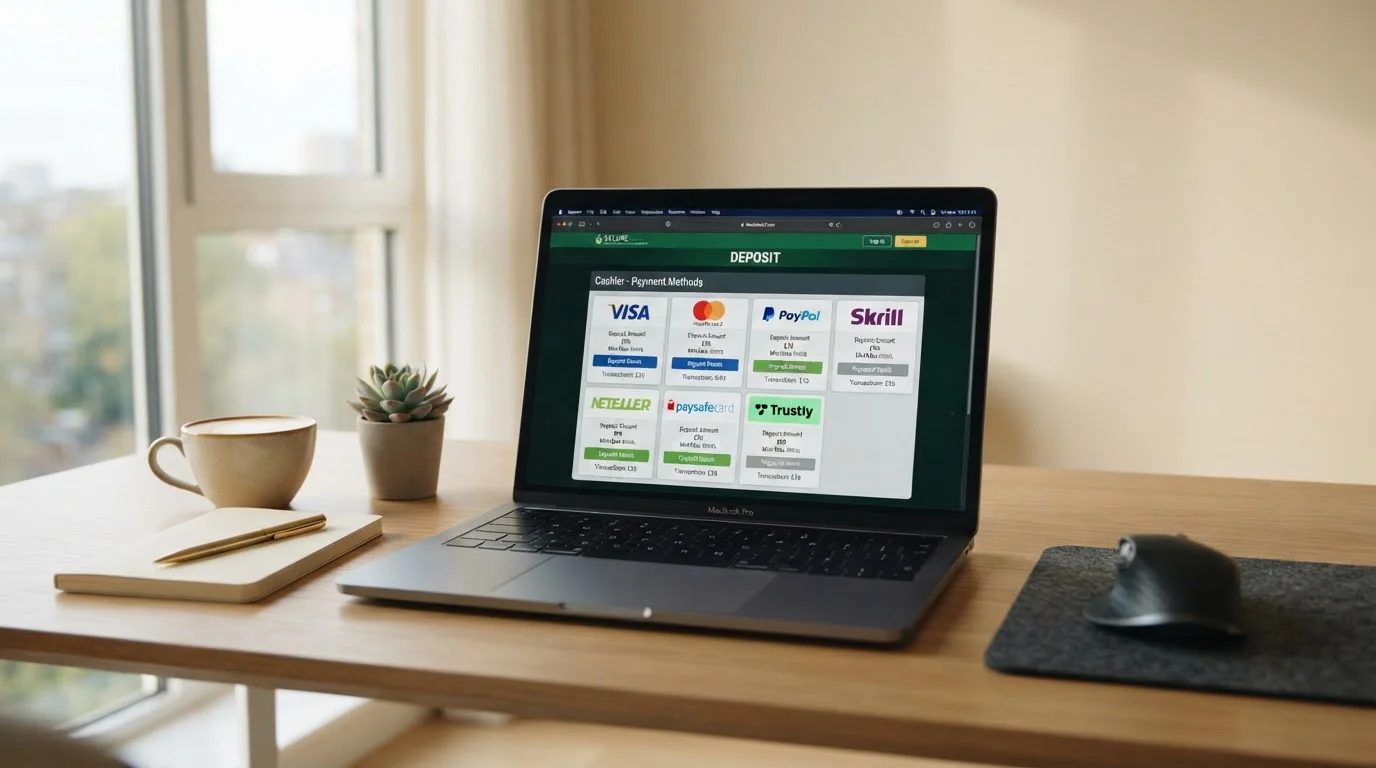
Zero UKGC-licensed casinos accept Citadel Instant Banking as of 2026. That includes every major operator previously cited in affiliate guides as "Citadel-friendly"—Videoslots, PlayOJO, Casumo, Betway. Check their cashier pages today: Visa debit, Mastercard debit, PayPal, Trustly, Apple Pay, Skrill, Neteller. Citadel? Absent.
The contraction happened fast. Wizard of Odds tracked Citadel acceptance globally and reported six casinos still supporting the method in 2026, down from over 200 banking partners across 33 countries at Citadel’s peak. UK-specific data shows the same cliff: UKGC operators dropped Citadel between 2023 and early 2025, with the last holdouts migrating to open banking by mid-2025.
Citadel Commerce Solutions—the Vancouver-based payment processor behind Instant Banking—remains operational. The company holds UK Payment Institution registration and Electronic Money Association membership. It hasn’t shut down. UK casino operators simply stopped integrating it.
The timeline matters because outdated affiliate content still circulates. A 2024 guide might cite Videoslots as the "#1 Citadel casino" based on 2022 data. Reality check: Videoslots’ current payment methods page lists Trustly, not Citadel. Same story at PlayOJO, where instant bank payment now runs through open banking APIs, not Citadel’s proprietary gateway.
Why does this matter to a player searching for Citadel casinos in 2026? Because the question "which UK casinos accept Citadel" has a concrete answer: none that hold UKGC licenses. The method survives only at offshore sites—legally accessible to UK players but outside UK regulatory oversight. That distinction carries consequences for dispute resolution, fund segregation, and self-exclusion scheme coverage.
Can I still use Citadel at UK online casinos in 2026?
Not at UKGC-licensed operators. Citadel Instant Banking is unavailable at every casino holding a UK Gambling Commission remote gambling license as of 2026. Offshore casinos licensed under Curaçao eGaming or the Malta Gaming Authority may still accept Citadel, but these sit outside UK regulatory jurisdiction and are not integrated with GamStop self-exclusion. UK residents can legally access offshore sites, but they lose UKGC consumer protections in exchange.

Offshore Casinos That Still Accept Citadel
Three offshore operators maintain Citadel integration as of 2026: EmuCasino (Curaçao), Luna Casino (Malta), and Betsson’s offshore-licensed version (Curaçao for UK players). These are not UKGC-regulated sites. They operate under alternative jurisdictions that permit UK player access but impose different oversight standards.
The table below compares the remaining Citadel-accepting casinos accessible to UK players:
| Casino | License | Minimum Deposit | Withdrawal Options | GamStop Status |
|---|---|---|---|---|
| EmuCasino | Curaçao eGaming | £10 | Debit card, e-wallets, crypto | Not integrated |
| Luna Casino | MGA (SkillOnNet Ltd) | £10 | Debit card, e-wallets | Not integrated |
| Betsson (offshore) | Curaçao #8048/JAZ | £10 | E-wallets, debit card | Not integrated |
All three accept UK players under offshore authorization. None participate in the UK GamStop self-exclusion scheme. Dispute resolution channels differ from UKGC standards—Curaçao operates its own arbitration process; MGA offers EU-level protections but not UK-specific safeguards.
EmuCasino
EmuCasino operates under Curaçao eGaming authority and targets international markets including UK, Australia, and New Zealand. The casino runs on software from Emu Group, with 2,000+ games sourced from NetEnt, Microgaming, Play’n GO, and Evolution Gaming’s live dealer studios. Mobile play works through browser optimization; no dedicated app exists.
One of the few remaining sites globally to process Citadel Instant Banking deposits in 2026. Casino.guru assigns it a High Safety Index of 8.5/10 based on license verification, complaints history, and revenue size. The platform pairs traditional payment methods (Visa, Mastercard, e-wallets) with cryptocurrency acceptance—Bitcoin deposits sit alongside Citadel in the cashier. Australian market focus shows in the brand name (emu, native Australian bird) and promotional targeting, though UK players face no access restrictions.
Welcome bonus structure follows industry standard: matched deposit plus free spins on selected slots. Wagering requirements apply (typically 35x–40x). Withdrawal processing times run 24–48 hours for e-wallets, longer for debit cards. Identity verification may trigger at cashout regardless of deposit method. The Curaçao license means UK residents use the casino at their own risk—UKGC dispute mechanisms don’t apply, and funds aren’t segregated under UK regulatory standards.
Luna Casino
Luna Casino operates under Malta Gaming Authority license MGA/CRP/171/2009/01, issued to SkillOnNet Ltd. SkillOnNet runs a white-label casino network across multiple European markets, with Luna as one of several branded storefronts sharing backend infrastructure. The MGA license places it in regulatory middle ground: stricter than Curaçao, looser than UKGC.
The offering spans 3,000+ slots and casino games. Evolution Gaming and Pragmatic Play Live power the live dealer section—blackjack, roulette, baccarat tables with HD streaming. Welcome package hits 100% up to £50 plus 50 Book of Dead free spins, 35x wagering on bonus and winnings. Minimum deposit sits at £10. Withdrawal processing runs 12–24 hours for e-wallets (PayPal, Skrill, Neteller), 2–5 business days for debit cards.
One distinguishing feature: RTP percentages display directly on game thumbnails in the lobby. Most casinos bury this data in help files; Luna surfaces it at selection. BeGambleAware responsible gambling tools integrate despite non-UKGC status—deposit limits, timeout options, self-assessment tests. The MGA framework requires these, though enforcement mechanisms differ from UKGC standards. UK players can register and play; they simply operate outside UK-specific protections like mandatory age verification via third-party databases and automatic UKGC license checks.
Whether Luna Casino actually accepts Citadel in 2026 remains ambiguous. Wizard of Odds lists it among the six global Citadel-accepting sites, but Luna’s own 2026 payment method pages reviewed by independent affiliate sites (luna-casinoo.co.uk, betting.co.uk) mention Visa, Mastercard, PayPal, Paysafecard, Skrill, Neteller—no Citadel. The discrepancy suggests either outdated data in one source or regional payment method variation. Players seeking Citadel specifically should verify directly via Luna’s cashier before depositing.
Betsson (Offshore Version)
Betsson operates a multi-licensing strategy: different Betsson-branded sites run under different jurisdictions depending on player geography. UK visitors accessing the offshore version hit Curaçao eGaming license #8048/JAZ, not the UKGC license Betsson Group holds for certain other brands. The parent company, Betsson AB, trades publicly on Nasdaq Stockholm with €850M+ annual revenue (2025 figures). Fifty-plus years in the gambling industry (founded 1963) lend brand credibility that most Curaçao operators lack.
The offshore Betsson site offers 5,000+ slots and games. Live casino runs on Evolution Gaming, Pragmatic Play, and Ezugi platforms. Sports betting integrates on the same account—casino and sportsbook share one balance. Welcome bonus structure: 100% up to £500 plus 25 free spins for UK promotional targeting. Minimum deposit £10; e-wallet withdrawals process within 24–48 hours.
Citadel integration persists here where it disappeared from UKGC-regulated Betsson properties. The offshore license permits legacy payment methods that UK-regulated versions dropped during the open banking migration. Betsson Group’s corporate structure—multiple subsidiaries holding licenses in Malta, Sweden, Denmark, Spain, Latvia, Colombia—means brand consistency doesn’t extend to payment method availability. Check which Betsson domain you’re accessing: the Curaçao version accepts Citadel; UKGC-licensed Betsson brands do not.
One catch: publicly traded parent companies face regulatory scrutiny across all jurisdictions. Betsson AB’s annual reports undergo audit; shareholders demand compliance standards higher than typical Curaçao fly-by-night operations. That transparency cuts both ways—better operational oversight, but also corporate-level risk aversion that might eventually force Citadel discontinuation even on offshore properties. For now, the method remains available.
Are there any safe casinos that still accept Citadel deposits?
EmuCasino, Luna Casino, and offshore-licensed Betsson variants accept Citadel deposits as of 2026. All three operate legally for UK players under Curaçao or Malta licenses. Safety depends on how you define it: Curaçao and MGA licenses impose lower oversight standards than UKGC regulation, but these aren’t rogue unlicensed sites. Casino.guru rates EmuCasino at 8.5/10 and Luna (via SkillOnNet) at 8.6/10 on safety indices. Betsson’s publicly traded parent (Betsson AB on Nasdaq Stockholm) provides unusual transparency for a Curaçao-licensed operator. None integrate with UK GamStop self-exclusion, and dispute resolution follows offshore jurisdiction rules rather than UKGC arbitration.
Is it legal to use offshore casinos that accept Citadel?
Yes. UK law does not prohibit residents from accessing offshore-licensed online casinos. The Gambling Act 2005 regulates operators, not players—no statute criminalizes a UK resident depositing at a Curaçao or Malta-licensed site. What you lose: UKGC consumer protections. Offshore operators aren’t required to segregate player funds in UK-based trust accounts, don’t undergo UKGC license compliance audits, and operate outside the Independent Betting Adjudication Service (IBAS) dispute resolution framework. Self-exclusion through GamStop doesn’t block offshore sites. If a dispute arises, you follow the offshore regulator’s complaint process (Curaçao Gaming Control Board, Malta Gaming Authority), not UKGC channels. Legal to use; different risk profile.
Why UK Casinos Stopped Accepting Citadel
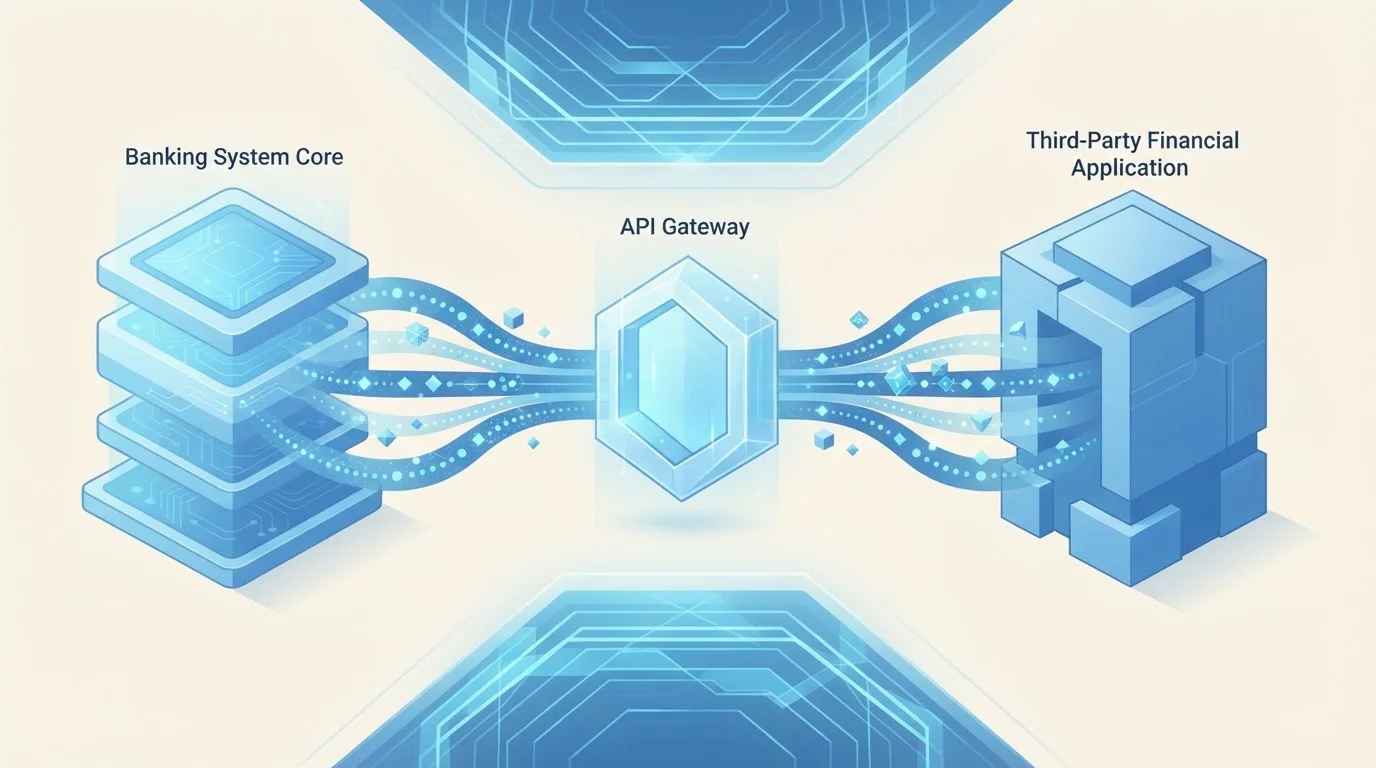
Open banking killed Citadel’s business model. PSD2 (Second Payment Services Directive) implementation in 2019 forced UK banks to open APIs for third-party payment providers. Fintechs like Trustly, TrueLayer, and Yapily built instant bank transfer services directly on those regulated rails. Casino operators could now offer instant bank deposits without integrating Citadel’s proprietary gateway.
The functional advantage disappeared overnight. Citadel’s pitch: connect your bank account via our secure intermediary, instant deposits, no separate wallet. Open banking’s pitch: connect your bank account via PSD2-regulated APIs, instant deposits, no separate wallet, and withdrawals work the same way. Identical user experience. Open banking added two-way payment support—Citadel was deposit-only at most UK casinos, forcing players to withdraw via debit card or e-wallet. Trustly handles deposits and same-day withdrawals through the same integration.
UKGC payment method oversight tightened between 2020 and 2024. The Commission’s 2020 credit card ban (effective 14 April) signaled regulatory willingness to restrict payment methods for player protection. Operators began auditing their payment stacks for compliance risk. Legacy services like Citadel—operational since 2000, predating modern open banking standards—became liabilities. Why maintain a proprietary gateway integration when PSD2-compliant open banking delivers the same functionality with better regulatory alignment?
Market data shows the migration pace. UK recorded 351 million open banking payments in 2025, up 57% year-over-year per Open Banking Limited. The ecosystem passed one billion cumulative transactions in 2026. Amazon UK added Pay by Bank checkout in 2026—mainstream adoption beyond gambling. Casino operators followed: if debit card users and e-wallet customers were already comfortable with instant bank authentication via their banking app, why offer a duplicate method through a separate intermediary?
Citadel’s deposit-only limitation created friction. A player deposits £50 via Citadel, plays, wins £200, tries to withdraw—Citadel isn’t an option. Cashier forces them to add a debit card or e-wallet for withdrawal. That two-step payment setup increases drop-off rates. Open banking’s two-way support solves it: deposit via Trustly, withdraw via Trustly, same authentication flow, no method mismatch.
Major UK operators migrated between 2023 and early 2025. Videoslots—previously cited as the "#1 Citadel casino" in affiliate guides—now lists Trustly, not Citadel. PlayOJO’s payment methods page shows instant bank payment via open banking APIs. Casumo, Betway, Coral, Ladbrokes: all support Trustly or generic Pay by Bank branding, none list Citadel. By mid-2025, UKGC-licensed casinos had universally discontinued Citadel integration.
Citadel Commerce Solutions didn’t collapse. The company remains registered as a UK Payment Institution, holds Electronic Money Association membership, and operates in other markets. UK casino operators simply found a better alternative. PSD2 regulations handed them free infrastructure (bank APIs), regulatory cover (compliance-native solution), and customer demand (open banking adoption across e-commerce). Citadel’s proprietary model couldn’t compete.
Why did UK casinos stop accepting Citadel Instant Banking?
UKGC-licensed casinos dropped Citadel between 2023 and 2025 because PSD2-regulated open banking (Trustly, Pay by Bank) offers identical instant bank transfer functionality with broader bank coverage, two-way payment support, and better regulatory alignment. Citadel operated as a proprietary gateway requiring separate integration; open banking runs on standardized PSD2 APIs that UK banks must provide. After 2019’s PSD2 implementation, casino operators gained access to instant bank payments without intermediary fees or compliance risk. Citadel’s deposit-only limitation (withdrawals required alternate methods) added friction. Open banking solved it. By 2026, zero UKGC operators list Citadel—Videoslots, PlayOJO, Casumo, Betway all migrated to Trustly or generic Pay by Bank. Market forces, not regulatory ban, drove the shift.
What happened to Citadel Commerce Solutions?
Citadel Commerce Solutions remains operational as of 2026. The company holds UK Payment Institution registration and Electronic Money Association membership. Headquarters in Vancouver, Canada. It hasn’t shut down or lost its licenses. What happened: UK casino operators stopped integrating its services. Citadel still processes payments in other markets and verticals, but its presence in UK-regulated online gambling collapsed between 2023 and 2025. Wizard of Odds tracked global acceptance and reported six casinos accepting Citadel in 2026, down from 200+ banking partners in 33 countries at peak. The business didn’t fail; its UK casino market share evaporated as operators migrated to PSD2-compliant open banking.
Modern Alternatives: Open Banking and Trustly
What Is Open Banking?
Open banking is a UK regulatory framework (launched 2018) requiring banks to provide standardized APIs for third-party payment providers. Governed by the Payment Services Regulations 2017 (PSRs) and PSD2 (Second Payment Services Directive), it lets authorized fintechs initiate payments directly from a customer’s bank account with their consent. No card numbers, no intermediary wallet, no stored credentials.
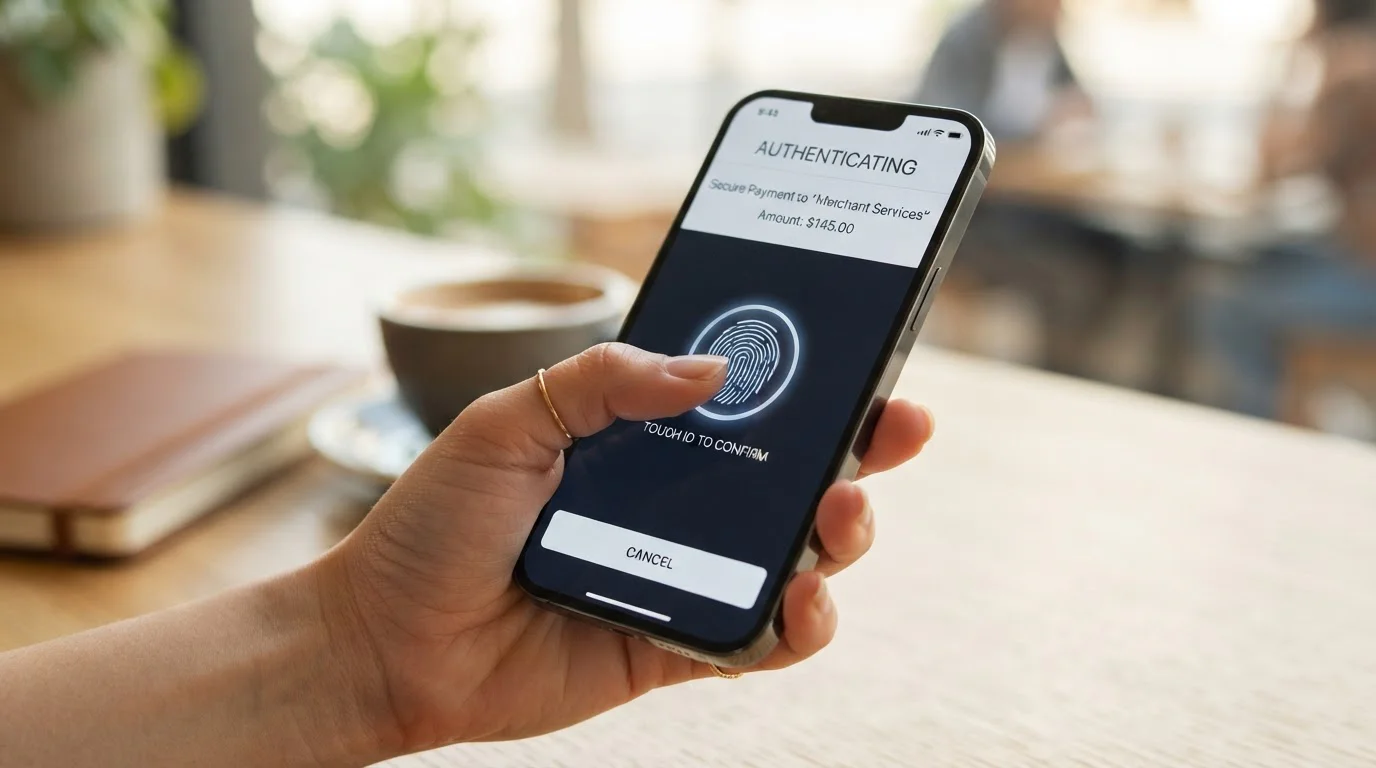
The user flow: select Pay by Bank at a casino cashier, choose your bank from a list, authenticate via your banking app (Face ID, fingerprint, PIN, one-time code), confirm the payment. Money moves instantly from your current account to the casino’s merchant account. The casino never sees your bank login, card PAN, or CVV. Authentication happens inside your bank’s own app using Strong Customer Authentication (SCA)—biometrics or two-factor methods mandated by PSD2.
UK passed one billion cumulative open banking payments in 2026. 351 million transactions in 2025 alone, up 57% year-over-year per Open Banking Limited. Growth accelerated when mainstream retailers adopted the tech: Amazon UK added Pay by Bank checkout in 2026, signaling shift from gambling-niche to general e-commerce payment method.
Multiple providers power the casino integrations. Trustly dominates UK iGaming with 50%+ market share. TrueLayer, Yapily, Plaid, and GoCardless compete in the broader payments space. Casinos typically white-label the service—cashier button reads "Instant Bank Transfer" or "Pay by Bank," but Trustly’s API runs underneath. Some operators brand it transparently (Trustly logo appears), others keep it generic.
Two-way payment support separates open banking from legacy instant banking services like Citadel. Deposits work identically: instant, bank-authenticated, no card required. Withdrawals follow the same flow in reverse: casino initiates bank transfer, player confirms via banking app, funds arrive same-day. Citadel only handled deposits—players depositing via Citadel withdrew via debit card or e-wallet, creating payment method mismatch. Open banking eliminates that friction.
Security model beats card payments and e-wallets on paper. No static credentials stored anywhere—each payment requires live authentication via the player’s own banking app. Card fraud (stolen PAN/CVV) doesn’t apply because no card details exist in the flow. E-wallet account takeovers don’t apply because there’s no separate wallet. The attack surface shrinks to the player’s bank account itself, which already has bank-grade security and regulatory protections (FSCS deposit insurance up to £85,000 in UK).
Open Banking Limited oversees UK implementation. Nine largest UK banks (CMA9—HSBC, Barclays, RBS, Lloyds, Santander, Danske, Bank of Ireland, Allied Irish, Nationwide) were mandated to provide open banking APIs by January 2018. Nearly all UK banks now participate. Coverage extends to 12,000+ financial institutions globally for cross-border providers like Trustly.
One limitation: open banking payments are irrevocable. Card payments offer chargeback rights (Section 75 protection on credit cards, chargeback schemes on debit cards). Open banking payments clear instantly and irreversibly—no buyer protection mechanism. UK regulations allow chargebacks for fraud, but not for disputes over goods/services. For casino deposits, this matters less (gambling outcomes aren’t disputable), but players lose the safety net card payments provide for merchant disputes.
Trustly: The Leading Replacement
Trustly Group AB, founded 2008 in Stockholm (originally Glue Finance, rebranded 2010), built the dominant open banking payment service for European online gambling. Licensed as a Payment Institution under the Swedish Financial Supervisory Authority (Finansinspektionen), authorized across EU via PSD2 passporting, registered with UK Financial Conduct Authority (FCA) as approved payment institution. Over 50% of UKGC-licensed casinos integrate Trustly as of 2026.
The company supports 12,000+ banks globally, 650 million end users. UK banks covered include all CMA9 majors plus hundreds of smaller institutions. No separate Trustly account required—payment authenticates through the user’s existing bank relationship. Minimum transaction typically £5–£10 (operator-set), no fees charged to players (merchant-pays model; banks may impose their own fees, but most UK current accounts include free transfers).
Deposits clear instantly. Withdrawals arrive same-day to 24 hours depending on the receiving bank’s processing schedule. Faster Payments network (UK interbank system) handles the actual transfer; Trustly orchestrates authentication and authorization. Casino operators receive guaranteed payment—once authentication completes, the transfer is irrevocable, eliminating chargeback risk.
Trustly pioneered "Pay N Play" casino functionality: instant registration plus deposit in one flow. Player selects Trustly, authenticates via banking app, confirms deposit—Trustly shares verified identity data (name, age, address) with the casino automatically, satisfying KYC requirements. Casino account gets created in the background; player lands directly in the lobby with deposited funds. No manual registration form, no document upload. UKGC operators adopted this heavily for friction reduction.
Ownership structure evolved through private equity rounds. Nordic Capital and PayPal Ventures acquired majority stake in 2018; Corsair Capital and Buran Venture Capital consortium later took control. The PE backing provides growth capital but also imposes compliance rigor—institutional investors demand audit trails and regulatory adherence that venture-stage fintechs might skip.
Security track record: no major breaches or FCA sanctions on record as of 2026. The PSD2 framework limits liability—Trustly never holds funds (acts as payment initiator only), never stores bank credentials (authentication happens inside the bank’s app via redirect), never touches card data. If fraud occurs, it’s at the bank account level, not the payment layer.
Market positioning: Trustly isn’t the only open banking provider, but it owns UK casino distribution. TrueLayer competes on technical features (better API documentation, faster integration); Yapily targets enterprise clients; Plaid focuses on US market. For a UK player depositing at a UKGC casino in 2026, Trustly or Trustly-powered white-label "Pay by Bank" is the most common option. Operators prefer a single open banking integration over maintaining multiple provider relationships.
How Open Banking Compares to Citadel
Feature-by-feature comparison, Citadel versus modern open banking:
| Feature | Citadel Instant Banking | Open Banking (Trustly) | Traditional Bank Transfer |
|---|---|---|---|
| Deposit speed | Instant | Instant | 1–3 business days |
| Withdrawal support | No (deposit-only at most casinos) | Yes (same-day to 24 hours) | Yes (1–5 business days) |
| Separate account required | No | No | No |
| Bank coverage | 200+ institutions (peak) | 12,000+ banks globally | All banks |
| Authentication method | Citadel gateway login | Bank’s own app (biometric, 2FA) | Manual bank transfer |
| Regulatory framework | Pre-PSD2 proprietary | PSD2-compliant APIs | Standard BACS/SEPA |
| Casino integration complexity | Proprietary gateway | Standardized API | Manual reconciliation |
| Player fees | None (typically) | None (merchant-pays) | Varies by bank |
| Minimum deposit | £10 (typical) | £5–£10 (operator-set) | £10–£20 (typical) |
| Chargeback rights | No | No | Fraud only |
| UKGC operator adoption (2026) | 0% | 50%+ | Near-universal |
Open banking wins on every dimension except legacy user familiarity. Citadel users comfortable with the old flow face minimal learning curve—open banking follows identical logic (select payment method, authenticate via bank, confirm). The authentication step moved from Citadel’s gateway to the player’s own banking app. Functionality improved: withdrawals now work through the same method, eliminating payment method mismatches.
Traditional bank transfers still exist for players who prefer manual control. Log into online banking, manually initiate transfer to casino’s account details, wait 1–3 days for clearing. No third-party involvement, maximum privacy. Slow and inconvenient, but some high-rollers prefer it for large deposits to avoid instant payment limits (open banking often caps individual transactions at £10,000–£20,000; manual transfers can go higher).
One psychological barrier: open banking requires trusting a third-party fintech with payment initiation permission. Trustly doesn’t access account balances or transaction history (unlike account aggregation services), but it does initiate transfers on the player’s behalf. Some users distrust that delegation. Citadel had the same model—trusting Citadel to connect to your bank—but 15+ years of market presence built familiarity. Open banking providers like Trustly are newer (founded 2008, but mainstream adoption post-2018). Regulatory oversight mitigates risk: FCA-authorized payment institutions face stricter standards than unregulated fintechs.
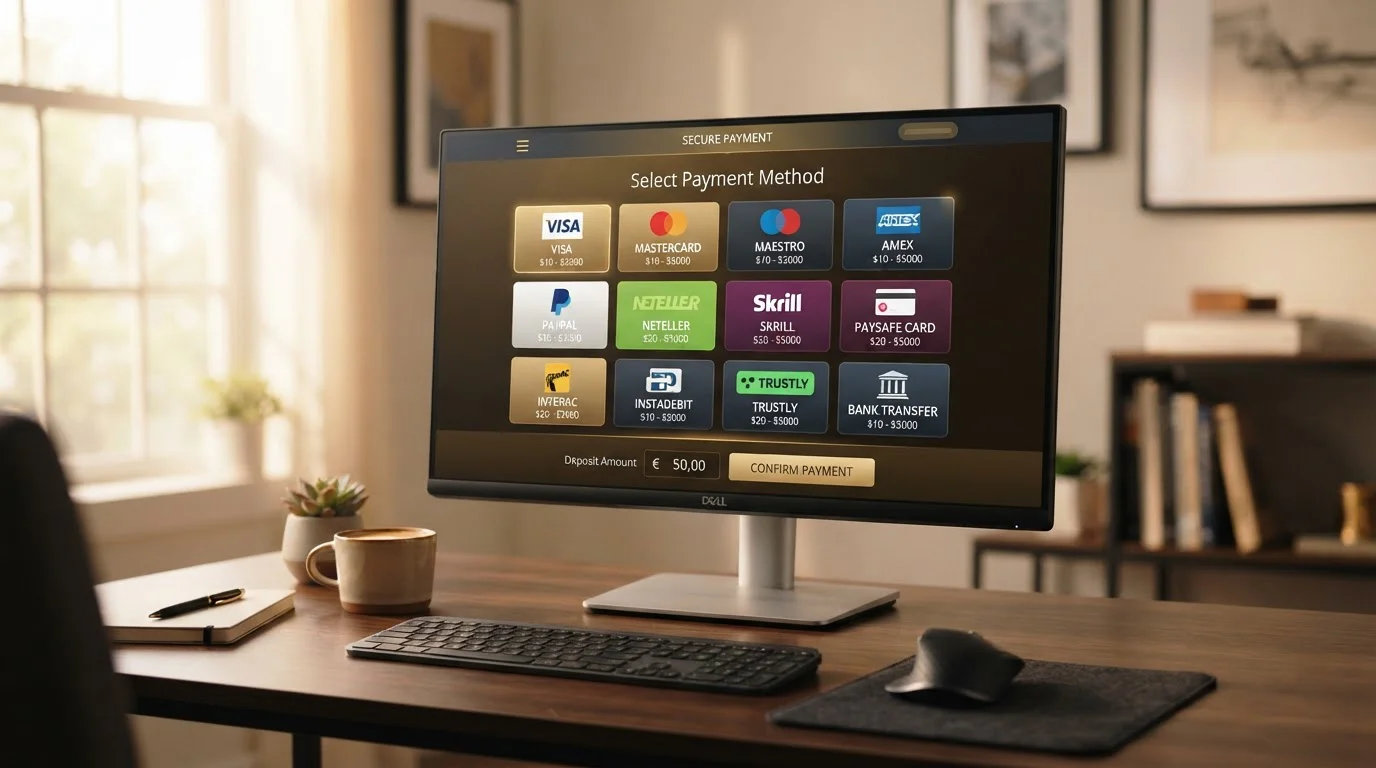
What payment method replaced Citadel at UKGC-licensed casinos?
Trustly and generic Pay by Bank (powered by open banking APIs under PSD2 regulations) replaced Citadel at UKGC-licensed casinos. Major operators—Videoslots, PlayOJO, Casumo, Betway, Coral, Ladbrokes—now offer instant bank transfers via Trustly or white-labeled open banking integrations. Functionality mirrors Citadel: instant deposits, no separate account, bank-authenticated payments. Open banking adds same-day withdrawals (Citadel was deposit-only), broader bank coverage (12,000+ institutions globally vs. Citadel’s 200+ at peak), and PSD2-compliant regulatory framework. UK recorded 351 million open banking payments in 2025 (57% YoY growth). By 2026, over 50% of UKGC casinos integrate Trustly or equivalent Pay by Bank solutions.
Is Trustly the same as Citadel?
No. Trustly and Citadel offer similar user experiences (instant bank deposits, no intermediary account) but operate on different technical foundations. Citadel Instant Banking (launched 2000) used a proprietary gateway connecting users to their banks—pre-PSD2 technology requiring separate integration contracts with each financial institution. Trustly (founded 2008, mainstream post-2018) built on PSD2-mandated open banking APIs—standardized bank connections regulated under EU payment services directive. Key differences: Trustly supports two-way payments (deposits + same-day withdrawals), Citadel was deposit-only at most casinos. Trustly covers 12,000+ banks globally, Citadel peaked at 200+ institutions. Trustly operates as FCA-authorized Payment Institution under PSD2 framework; Citadel holds UK Payment Institution registration but predates open banking regulations. Functionally similar for users; technically distinct systems.
How does open banking compare to Citadel for casino payments?
Open banking delivers identical instant bank deposit functionality with added two-way payment support, broader bank coverage, and stronger regulatory framework. Citadel Instant Banking: instant deposits, 200+ banks at peak, deposit-only (withdrawals required alternate methods), proprietary gateway authentication. Open banking (Trustly, Pay by Bank): instant deposits, 12,000+ banks globally, same-day withdrawals, authentication via player’s own banking app using PSD2-mandated Strong Customer Authentication. Both eliminate separate account creation and card storage. Open banking replaced Citadel at UKGC casinos because PSD2 gave operators free access to instant bank payment APIs without proprietary integration fees. User experience nearly identical; backend switched from Citadel’s pre-2018 gateway to post-2018 open banking rails. Citadel’s deposit-only limitation created payment method mismatches (deposit via Citadel, withdraw via card). Open banking solved it. Zero UKGC casinos accept Citadel in 2026; 50%+ support Trustly or equivalent.
Top UKGC Casinos with Trustly and Open Banking
Three UKGC-licensed operators demonstrate open banking’s UK casino dominance: Midnite, Coral, and Ladbrokes. All three integrate Trustly or white-labeled Pay by Bank for instant deposits and same-day withdrawals. All hold active UK Gambling Commission remote gambling licenses, participate in GamStop self-exclusion, and segregate player funds per UKGC requirements.
The table below compares Trustly-enabled UKGC casinos by key payment features:
| Casino | License | Trustly Support | Withdrawal Speed | Minimum Deposit | Key Feature |
|---|---|---|---|---|---|
| Midnite | UKGC #000-051417-R-319408 | Yes (branded) | Same working day | £5 | Wager-free spins |
| Coral | UKGC (Entain/LC Int’l) | Yes (Pay by Bank) | Instant to same-day | £5 | Entain group scale |
| Ladbrokes | UKGC (Entain/Ladbrokes B&G) | Yes (branded) | Under 5 hours (tested) | £5 | 138-year heritage |
All three accept standard alternatives: Visa/Mastercard debit, PayPal, Apple Pay, Skrill, Neteller. Trustly or Pay by Bank sits prominently in each cashier as the instant bank transfer option. No Citadel anywhere.
Midnite Casino
Midnite Limited operates midnite.com under UK Gambling Commission remote gambling license #000-051417-R-319408-001, verifiable via UKGC public register. Founded 2018 with initial focus on esports betting—Counter-Strike, League of Legends, Dota 2, Valorant markets—before expanding into casino games around 2020. Also licensed by Revenue Commissioners Ireland for Irish market access. Full GamStop integration; UK players can self-exclude across all UKGC operators via the scheme.
Casino library spans 2,000+ games: slots from major providers (NetEnt, Pragmatic Play, Play’n GO), live dealer tables powered by Evolution Gaming and Pragmatic Play Live, instant-win games. Mobile-first design optimized for smartphone play—layout, bet controls, game loading prioritize vertical orientation and touch navigation. Esports betting remains a core differentiator; few UKGC casinos offer Counter-Strike skin-betting integration or tournament-specific props.
Welcome bonus structure breaks industry norms: 100 wager-free spins on first deposit. No rollover requirements. Winnings withdrawable immediately. Industry standard imposes 35x–40x wagering on bonus and winnings (deposit £10, get £10 bonus + 50 spins, must wager £700–£800 before withdrawing). Midnite’s offer: deposit £10, get 100 spins, withdraw spin winnings with no wagering. Rare in UK-regulated market where bonus abuse controls typically mandate high rollover.
Payment methods: Trustly/Pay by Bank (branded as primary option), Visa/Mastercard debit, PayPal, Apple Pay. Minimum deposit £5. Withdrawals via Trustly/debit process same working day in independent testing—deposits made morning, withdrawals approved and landed same afternoon. No pending period beyond identity verification (KYC required on first cashout per UKGC rules). Maximum daily withdrawal varies by payment method; Trustly and e-wallets offer higher limits than debit cards.
Trustpilot rating sits at 3.5/5 based on 2,900+ reviews as of 2026. Mixed feedback: positive reviews praise instant withdrawals and wager-free bonus structure; negative reviews highlight customer support response times during peak hours and occasional account verification delays. No UKGC sanctions or license suspensions on record. Midnite ranks #1 in multiple "Best Trustly Casinos UK" affiliate guides (typical scores 8.8–9.0/10), driven by withdrawal speed and transparent bonus terms.
Coral Casino
Coral brand operates under Entain plc ownership (LSE: ENT), one of UK’s largest gambling conglomerates (£4.6B+ revenue in 2025). UKGC-licensed through LC International Limited, license #000-028988-R-319647. Founded 1926 as a bookmaker—nearly 100 years of UK market presence. Ladbrokes acquired Coral in 2016; Ladbrokes Coral Group merged into GVC Holdings in 2018 (GVC rebranded to Entain in 2020). Coral and Ladbrokes now operate as sister brands under Entain’s UK division, sharing backend infrastructure but maintaining separate storefronts.
Casino library: 4,000+ games. Slots and table games from multiple providers (NetEnt, Microgaming, IGT, proprietary Entain titles). Live casino powered by Evolution Gaming and Pragmatic Play Live—blackjack, roulette, baccarat, game shows (Crazy Time, Monopoly Live, Deal or No Deal). Sports betting integration on the same account; casino and sportsbook share one balance and KYC profile. UK retail presence adds brand recognition: 1,800+ Coral betting shops across Great Britain.
Pay by Bank and Trustly both appear in Coral’s cashier as instant bank transfer options—Entain likely white-labels multiple open banking providers or brands Trustly integration under generic "Pay by Bank" label. Minimum deposit £5. Maximum withdrawal varies by method: £2,000/day for most options, up to £250,000 for bank transfers. Trustly and e-wallets (PayPal, Skrill, Neteller) process instantly to same-day per Entain’s published timelines. Independent testing (ThePuntersPage UK, 2026) verified same-day arrivals for Trustly withdrawals.
Welcome offer: 100 free spins on £10 deposit (current 2026 promotion). Wagering requirements apply—Entain typically imposes 10x rollover on winnings, lower than industry average. GamStop integration mandatory; UKGC-required safer gambling tools include deposit limits, loss limits, timeout periods, self-assessment tests. Entain invested heavily in responsible gambling tech post-2020 (Reality Check pop-ups, algorithmic risk detection), partly to satisfy UKGC scrutiny and partly as corporate responsibility initiative after regulatory fines in prior years.
Brand heritage matters for trust. Coral’s 98-year bookmaking history and Entain’s enterprise-grade infrastructure reduce operational risk compared to newer UKGC operators. Publicly traded parent faces shareholder and regulatory oversight beyond casino-level compliance. No recent UKGC sanctions on Coral-specific license; Entain Group faced historical penalties (pre-2020) for social responsibility failures at other brands, but Coral’s record stays clean.
Ladbrokes Casino
Ladbrokes operates under Entain plc (same parent as Coral). UKGC-licensed through Ladbrokes Betting & Gaming Ltd, license #000-000829-R-319639. Founded 1886 as a commission agent for horse racing—oldest operating gambling brand in this dataset at 138 years (as of 2026). Merged with Coral in 2016; both brands retained under Entain umbrella. Ladbrokes maintains separate branding, promotional strategy, and loyalty program from Coral despite shared backend.
Casino offering: 3,500+ games. Playtech powers majority of content via exclusive partnership—Playtech slots, live casino, RNG table games dominate the library. Other providers fill gaps (NetEnt, IGT, Blueprint Gaming), but Playtech exclusivity creates depth in proprietary game series (Age of the Gods slots, Playtech live dealer studios). Sports betting and retail integration mirror Coral: 2,500+ UK betting shops operate under Ladbrokes branding.
Trustly listed explicitly in Ladbrokes’ payment methods alongside Visa/Mastercard debit, PayPal, Skrill, Neteller, Paysafecard. Minimum deposit £5. Withdrawals via Trustly or PayPal process under 5 hours per independent testing (FastestPayout-Casinos-UK.com recorded PayPal at 45 minutes, Trustly at 50 minutes in 2026 testing). Faster than Coral’s same-day timeline, though both fall within "instant to same-day" range depending on request timing and verification status.
Welcome bonus: 100 free spins plus 300 LadBucks (Ladbrokes’ proprietary loyalty currency) on £10 deposit. LadBucks accumulate through play and convert to cash or tournament entries. Wagering requirements on free spin winnings typically 10x at Ladbrokes—lower than industry average. GamStop integration mandatory; Entain’s responsible gambling suite applies (deposit limits, timeout, self-exclusion, algorithmic monitoring).
Playtech partnership distinguishes Ladbrokes from multi-provider casinos. Depth versus breadth trade-off: fewer total providers, but deeper integration with one studio’s catalog. Players seeking specific Playtech titles (Age of the Gods jackpot network, Playtech live dealer tables with UK-based dealers) find comprehensive selection at Ladbrokes. Players wanting provider diversity might prefer Coral’s multi-studio approach. Both are UKGC-licensed, Entain-backed, Trustly-enabled.
Brand longevity builds trust through survival. 138 years in business means Ladbrokes weathered every UK gambling regulation shift since the Victorian era. UKGC license held continuously since Gambling Act 2005 implementation. No recent sanctions; Entain’s corporate-level compliance issues (historical, pre-2020, affecting other brands) don’t touch Ladbrokes’ license directly. For players prioritizing operational stability and legacy brand reputation, Ladbrokes offers oldest pedigree among UKGC operators.
Which payment method is best for UK players who used Citadel?
Trustly or generic Pay by Bank via open banking APIs. Both deliver identical instant bank transfer functionality Citadel offered, with added same-day withdrawal support Citadel lacked. Over 50% of UKGC-licensed casinos integrate Trustly or white-labeled open banking as of 2026—Midnite, Coral, Ladbrokes, Casumo, Betway all support it. Authentication happens via your own banking app (Face ID, fingerprint, PIN) instead of Citadel’s gateway, but user flow remains identical: select bank, confirm payment, funds arrive instantly. No separate account required. Minimum deposits £5–£10 (operator-set). No player fees (merchant-pays model). Withdrawals process same-day to 24 hours, solving Citadel’s deposit-only limitation. Former Citadel users face minimal learning curve; the experience maps directly. Alternative: PayPal for players who prefer e-wallet intermediary, or Visa/Mastercard debit for maximum casino acceptance.
How Citadel Worked: A Brief History
Citadel Instant Banking launched in 2000 as a direct bank payment intermediary. Vancouver-based Citadel Commerce Solutions built a proprietary gateway connecting users to their online banking portals. The pitch: deposit at online merchants (casinos, e-commerce sites) directly from your bank account without exposing card details or creating a separate wallet. Instant clearing, bank-level encryption, no stored credentials.
The flow worked like this: player selects Citadel at casino cashier, gets redirected to Citadel’s gateway, selects their bank from a list, logs into online banking through Citadel’s interface, authorizes the payment. Citadel routes the transaction, notifies the casino, funds appear in player’s casino balance instantly. Behind the scenes: Citadel negotiated individual integration contracts with each bank, built connectors to their online banking APIs (pre-standardization, so each bank required custom development), and charged merchants (casinos) per-transaction fees.
Security model relied on never storing banking credentials. Citadel’s gateway acted as a pass-through—player authenticated against their bank, Citadel relayed authorization, transaction completed. No card PAN, no CVV, no static credentials sitting in a database vulnerable to breach. Bank-level encryption (SSL/TLS) protected the connection. From the player’s perspective: trustworthy, because they logged into their own bank’s interface; safe, because Citadel never "held" their password.
Geographic coverage expanded through the 2000s. Citadel claimed partnerships with over 200 financial institutions in 33+ countries at its peak. UK coverage included major high-street banks and building societies. The service worked for Barclays, HSBC, Lloyds, Santander, Nationwide customers—provided their banks had opted into Citadel’s network. Not universal (some regional banks didn’t participate), but broad enough for mass-market casino deployment.
MyCitadel eWallet launched as a complementary product: players could create a Citadel account, load it via bank transfer, then use stored balance for merchant payments. This added a wallet layer on top of the instant banking core. UK casino players rarely used it—instant banking remained the primary draw. The eWallet complicated Citadel’s positioning (are we a direct bank payment service or an e-wallet competitor to PayPal?), but it gave Citadel a retention hook for users who transacted frequently.
Deposit-only limitation plagued UK casino implementations. Citadel could push funds from player bank to merchant account instantly. Reversing the flow—merchant to player—required separate banking arrangements. Most UK casinos integrated Citadel for deposits only, forcing players to withdraw via debit card, e-wallet, or manual bank transfer. Payment method mismatch created friction: deposit £50 via Citadel, win £200, can’t withdraw to Citadel, must add a Visa card to cash out. Not a technical impossibility (some jurisdictions supported Citadel withdrawals), but UK casino operators rarely configured it.
Minimum deposits typically sat at £10. No player-facing fees—Citadel charged merchants, not consumers. Processing speed: instant for deposits, subject to individual bank’s online banking system responsiveness. If the player’s bank was slow, the transaction lagged; if fast, it completed in seconds. Reliability depended on the weakest link in the chain (player’s bank + Citadel’s integration + casino’s payment processor).
Regulatory status: Citadel Commerce Solutions registered as a Payment Institution in the UK, joined the Electronic Money Association, secured necessary licenses for financial services operation. Pre-PSD2, so no open banking mandate—Citadel operated under earlier payment services regulations. When PSD2 arrived in 2019, Citadel’s proprietary gateway model became redundant. Banks now provided standardized APIs; fintechs like Trustly could build on those instead of negotiating individual contracts. Citadel’s 20-year integration advantage evaporated.
Citadel’s Withdrawal Limitations
Citadel Instant Banking functioned as a deposit-only method at most UK online casinos. The technical architecture supported payouts in theory—Citadel could initiate bank transfers from merchant accounts to player accounts—but UK casino operators rarely enabled the feature. Players depositing via Citadel withdrew via debit cards, e-wallets (PayPal, Skrill, Neteller), or manual bank transfers instead.
Why deposit-only? Banking regulations and operator risk management. Initiating a transfer from player bank to casino account (deposit) requires player authentication—the player logs into their banking portal and authorizes the payment. Reversing it (casino to player bank) requires different permissions. The casino would need to store the player’s bank account details (sort code, account number) and initiate a credit transfer. UK anti-money-laundering (AML) regulations require casinos to verify withdrawal destinations—sending funds to a bank account not verified as belonging to the player creates compliance risk.
Citadel’s gateway authenticated the player during deposit but didn’t provide KYC-grade identity verification or bank account ownership proof to the casino. Most UKGC operators avoided Citadel withdrawals rather than navigate the regulatory ambiguity. Safer to require a separate withdrawal method (debit card already has name-on-card verification; e-wallets perform their own KYC) than risk AML breaches.
Payment method mismatch created user friction. Deposit £50 via Citadel, play, win £200, attempt withdrawal—Citadel not listed in cashier’s withdrawal dropdown. Player forced to add a Visa debit card or create a PayPal account. Extra steps, extra verification (upload card photo, confirm email), extra wait time. Some players abandoned cashouts at this stage, thinking the casino blocked withdrawals or imposed hidden restrictions. Reality: the casino never configured Citadel for two-way payments.
Compare to modern open banking. Trustly and Pay by Bank support withdrawals natively. Player deposits via Trustly, casino stores Trustly token (not raw bank details), withdrawal request triggers Trustly API call, player authenticates via banking app, funds land in their account same-day. Identity verification happens at both ends (deposit and withdrawal), satisfying UKGC AML requirements. No method mismatch. The PSD2 framework explicitly designed for two-way account-to-account payments; Citadel predated it by 19 years and never adapted.
Some offshore casinos configured Citadel withdrawals. Curaçao-licensed operators faced lighter AML scrutiny and sometimes enabled two-way Citadel payments. Data on actual usage rates is sparse—no public reports track how many players successfully withdrew via Citadel. Anecdotal forum posts suggest it worked inconsistently: available at some Curaçao casinos, unavailable at others, always slower than deposits (manual bank transfer timelines instead of instant clearing).
The withdrawal gap killed Citadel’s UK casino competitiveness. Open banking promised and delivered the same instant deposit experience plus same-day withdrawals. If a player’s core need is "move money between my bank and the casino quickly," Citadel covered 50% of that (deposit leg only). Trustly covers 100%. Operators had no reason to maintain a deposit-only integration when a two-way alternative existed.
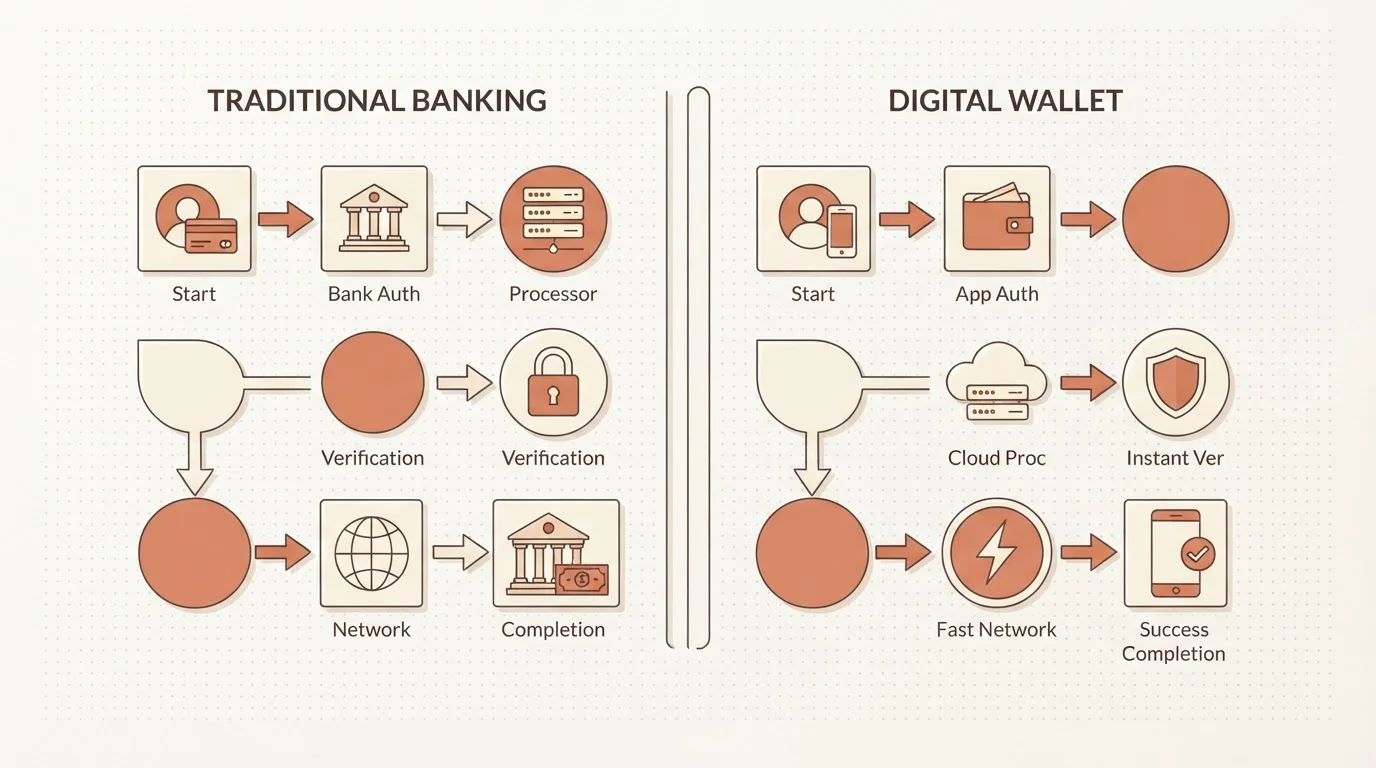
Can I withdraw to Citadel at online casinos?
No, not at UK-accessible casinos in 2026. Citadel Instant Banking functioned as a deposit-only method at most UK casinos even when it was widely available. The service could technically support withdrawals, but UK operators rarely enabled the feature due to AML compliance complexity (verifying bank account ownership for outbound transfers). Players depositing via Citadel withdrew via debit card, e-wallets (PayPal, Skrill), or manual bank transfer. Modern open banking replacements (Trustly, Pay by Bank) support two-way payments natively—deposits and same-day withdrawals through the same method, eliminating the payment method mismatch Citadel imposed. The handful of offshore casinos still accepting Citadel deposits (EmuCasino, Luna Casino, Betsson offshore) list debit cards and e-wallets for withdrawals, not Citadel.
Responsible Gambling and Safe Casino Practices
UK Gambling Commission mandates safer gambling tools at every licensed operator. Deposit limits (daily, weekly, monthly), loss limits, timeout periods (24 hours to 6 weeks), self-exclusion (6 months to 5 years), reality check reminders (pop-ups after set time intervals). UKGC casinos must display these prominently in account settings. GamStop provides cross-operator self-exclusion—one registration blocks all UKGC-licensed sites simultaneously for 6 months, 1 year, or 5 years.
Offshore casinos (Curaçao, MGA) operate outside GamStop. Curaçao-licensed sites may offer deposit limits and timeout tools but aren’t required to the same standard. MGA-licensed casinos (like Luna Casino via SkillOnNet) typically implement responsible gambling features to EU norms—lower than UKGC requirements but present. GamStop doesn’t block offshore sites; players with active self-exclusions can still access them.
Payment method choice affects control. Open banking and debit cards connect directly to current accounts—no spending buffer. E-wallets (PayPal, Skrill) let players pre-load a set amount, capping exposure. Paysafecard and prepaid vouchers enforce hard limits (can’t spend more than voucher value). No payment method prevents problem gambling alone—deposit limits and self-awareness matter more—but some create friction that helps impulsive players pause.
BeGambleAware (begambleaware.org) provides UK-specific support: helpline, live chat, self-assessment tools. National Gambling Helpline: 0808 8020 133 (freephone, 24/7). GamCare operates treatment services and counseling. NHS Gambling Clinics treat gambling disorder via the health service. All UKGC casinos must link to these resources in footers and safer gambling sections.
Recognizing problem gambling: chasing losses, gambling with money needed for bills, lying to family about gambling activity, neglecting work or relationships, feeling anxious or irritable when not gambling. If you recognize these patterns, use GamStop immediately (self-exclusion takes effect within 24 hours) and contact BeGambleAware for support. Offshore casinos won’t block you via GamStop; manual self-exclusion with each operator required, less reliable.
Citadel’s disappearance from UK casinos doesn’t change responsible gambling fundamentals. Open banking, Trustly, debit cards, e-wallets—all instant deposit methods that can enable problem gambling if misused. UKGC regulations mitigate risk through mandatory controls. Offshore casinos accepting Citadel lack those mandates. Payment method diversity matters less than using deposit limits and recognizing when gambling stops being entertainment.
Prepared by the Payments-casino-uk editorial staff.