Mobile Top Up Casino UK: The Complete Phone Bill Deposit Guide for 2026
 Available in GB
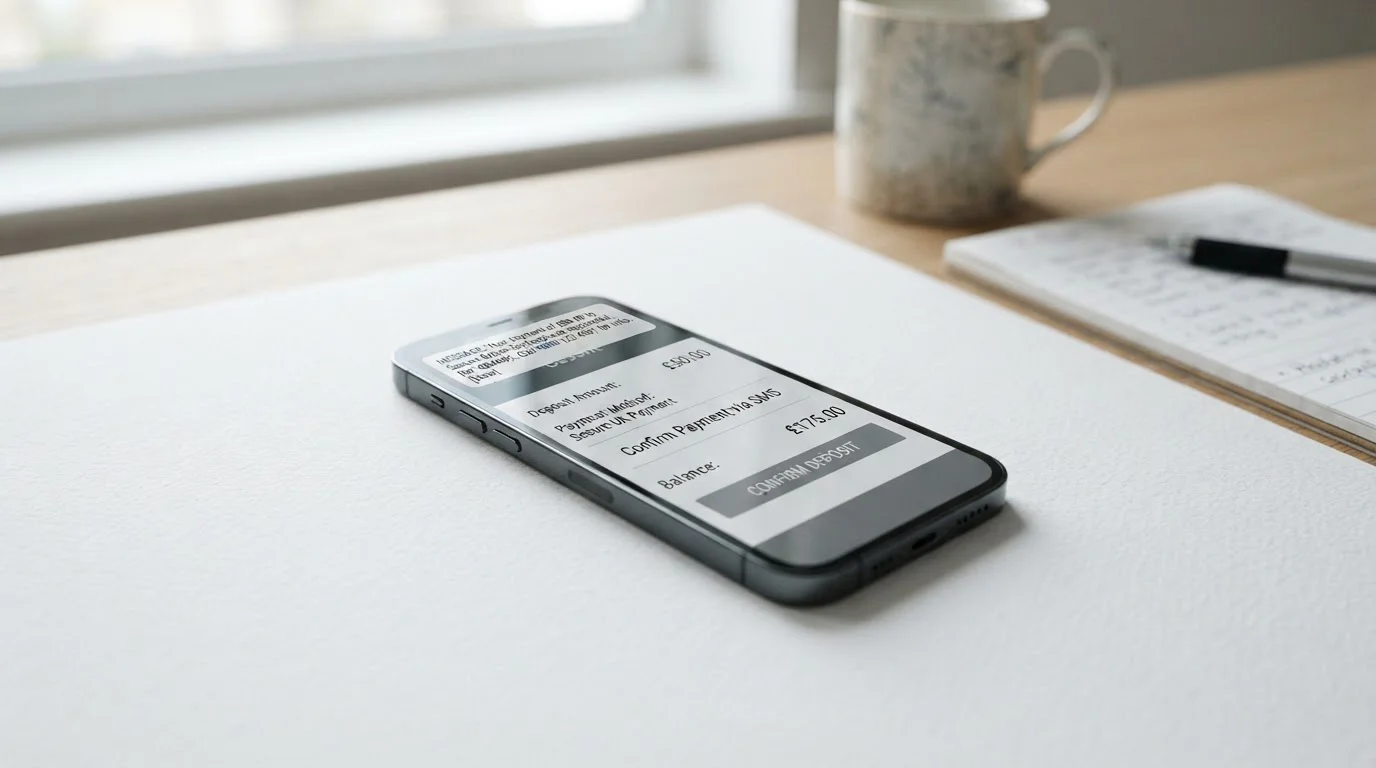
Depositing at a UK casino by charging the amount to your phone bill sounds convenient—and it is, within strict limits. The method works through intermediaries like Boku, Zimpler, or Fonix, caps transactions at £30, and only moves money one way. You deposit instantly but cash out through a different channel.
This guide maps exactly which UKGC-licensed operators accept mobile billing in 2026, how the mechanics differ between providers, what the real costs are, and where the method breaks down. No operator pays you back through your phone bill. That asymmetry shapes everything else.
Table of Contents
- What Is Mobile Top-Up Casino Deposit and How Does It Work?
- Mobile Billing Providers: Boku, Zimpler, Fonix Compared
- UK Casinos Accepting Mobile Top-Up Deposits in 2026
- Deposit Limits, Fees, and Transaction Speed
- The Big Limitation: You Can’t Withdraw to Your Phone Bill
- Which UK Mobile Networks Support Casino Deposits?
- Troubleshooting Mobile Deposits: What If Something Goes Wrong?
- Is Mobile Billing Safe and Regulated?
- Slots and Games at Mobile Top-Up Casinos
- Responsible Gambling with Mobile Deposits
What Is Mobile Top-Up Casino Deposit and How Does It Work?
A mobile top-up deposit charges your casino stake to your monthly phone bill or deducts it from prepaid credit. You enter your mobile number at the casino cashier, confirm via SMS, and funds land in your balance within seconds. The casino never sees your bank details—it receives a phone number and a payment confirmation from the billing provider.
Three companies dominate the UK market: Boku, Zimpler, and Fonix. Each plugs into the four major networks—EE, O2, Vodafone, Three—and handles the carrier billing backend. The casino integrates one or more of these providers, presents "pay by mobile" at checkout, and the provider routes the transaction through your network operator.
The Payment Flow Step-by-Step
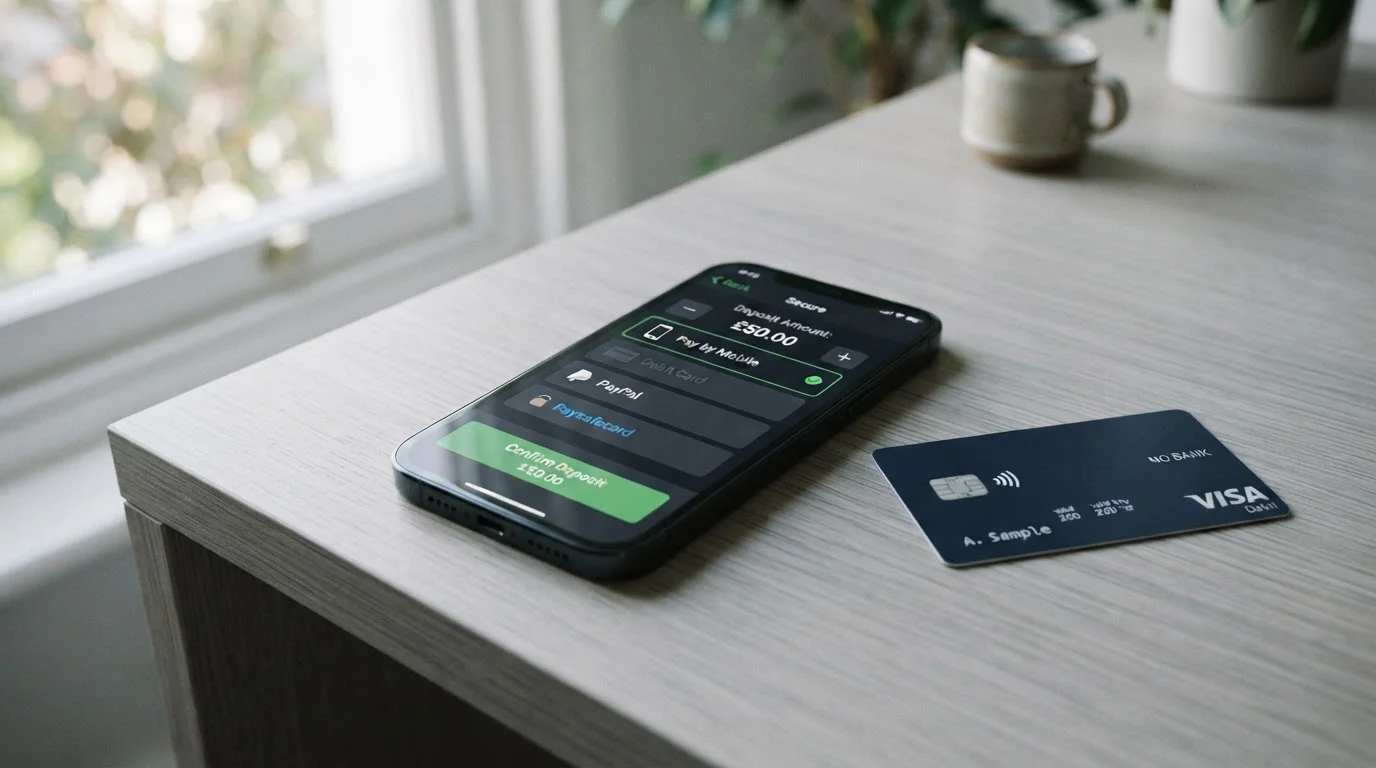
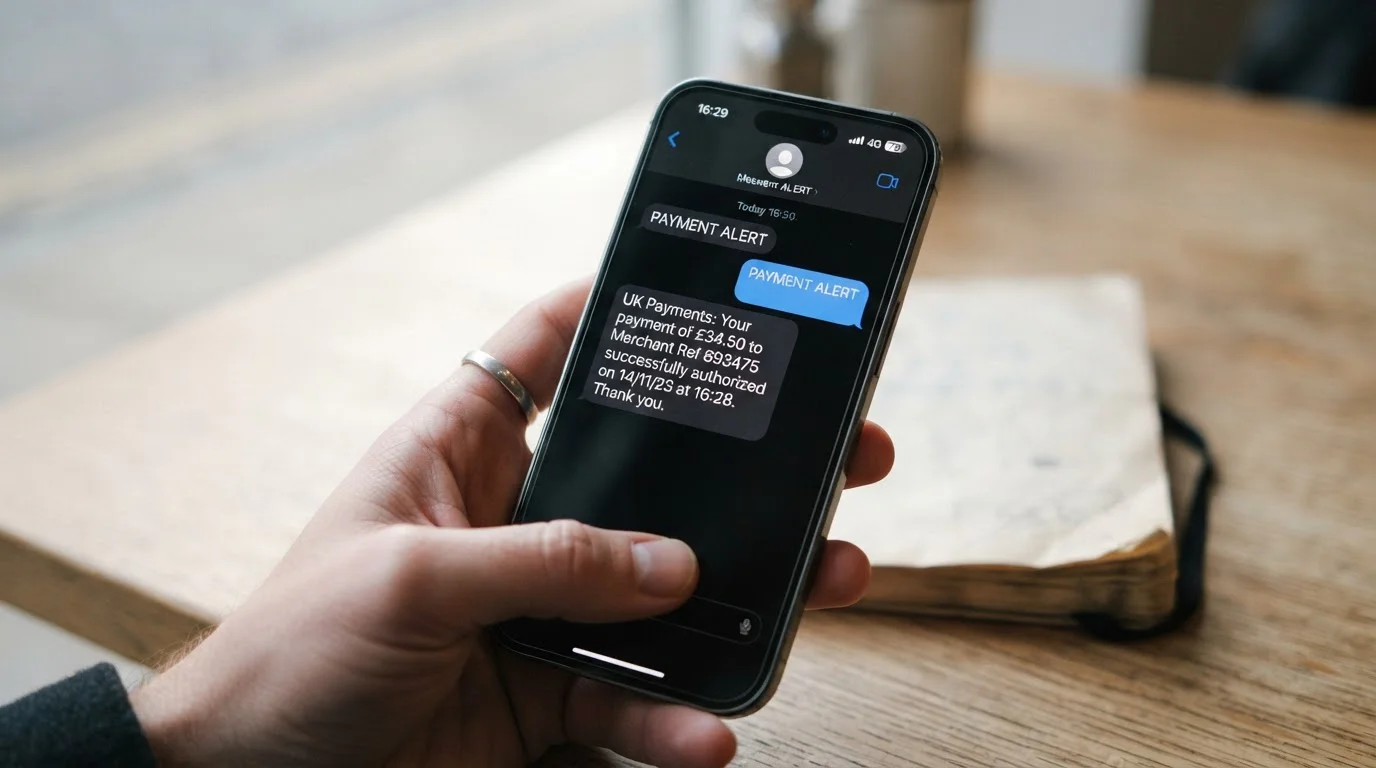
Select "pay by mobile" in the casino cashier. Enter the deposit amount (£10 minimum at most sites, £30 maximum per transaction). Provide your UK mobile number. The provider sends an SMS containing a PIN or a confirmation link. You reply with the PIN or tap the link. The charge is authorised instantly.
For contract customers, the amount appears as a line item on the next monthly bill under "premium services" or similar. For pay-as-you-go, the amount deducts from available credit immediately. The casino balance updates within 10–30 seconds. No password, no card CVV, no bank login.
Contract vs Pay-As-You-Go: What’s the Difference?
Contract billing adds the charge to your monthly invoice. You pay the network operator (EE, O2, Vodafone, Three) at the end of the billing cycle alongside your airtime and data. This defers payment by up to 30 days, depending on your bill date.
Pay-as-you-go deducts the charge from prepaid credit instantly. You need sufficient balance loaded onto your SIM before the deposit attempt. If your PAYG credit falls below the deposit amount, the transaction declines. The practical ceiling is whatever you last topped up.
One subtle difference: contract customers sometimes hit higher cumulative monthly caps (£200–£250) because the network operator already verified creditworthiness when issuing the contract. PAYG caps can be lower or more conservative, though the per-transaction £30 limit applies universally.
Which UK Networks Support Mobile Billing?
EE, O2, Vodafone, and Three support Boku, Zimpler, and Fonix without exceptions. Every UKGC-licensed casino using one of these providers works with all four major networks. Coverage is universal across contract and PAYG tariffs.
MVNOs—mobile virtual network operators like giffgaff, Tesco Mobile, SMARTY, Lebara—ride the infrastructure of the big four. Giffgaff runs on O2, SMARTY on Three, Tesco Mobile split between O2 and Three depending on when you joined. If your MVNO uses the parent network’s billing system without modification, mobile casino deposits work. If the MVNO blocks premium-rate services or handles billing separately, deposits fail.
Check by attempting a small test deposit. Most MVNOs allow it. A handful block premium services to avoid customer disputes over unexpected charges. The provider’s SMS confirmation is the moment of truth: if it arrives, your network supports it.
How does mobile top-up work at UK casinos?
You select pay by mobile, enter your phone number, confirm via SMS, and the charge adds to your phone bill or deducts from prepaid credit. The deposit lands in your casino balance instantly. Withdrawals cannot go back to your phone bill—you need a bank account or e-wallet for cashouts.
Mobile Billing Providers: Boku, Zimpler, Fonix Compared
Three providers split the UK mobile billing market. Boku holds roughly 80% of casino integrations, Zimpler appeals to operators wanting Scandinavian-style spending controls, and Fonix positions itself as the UK-based alternative. Each works, but the details diverge.
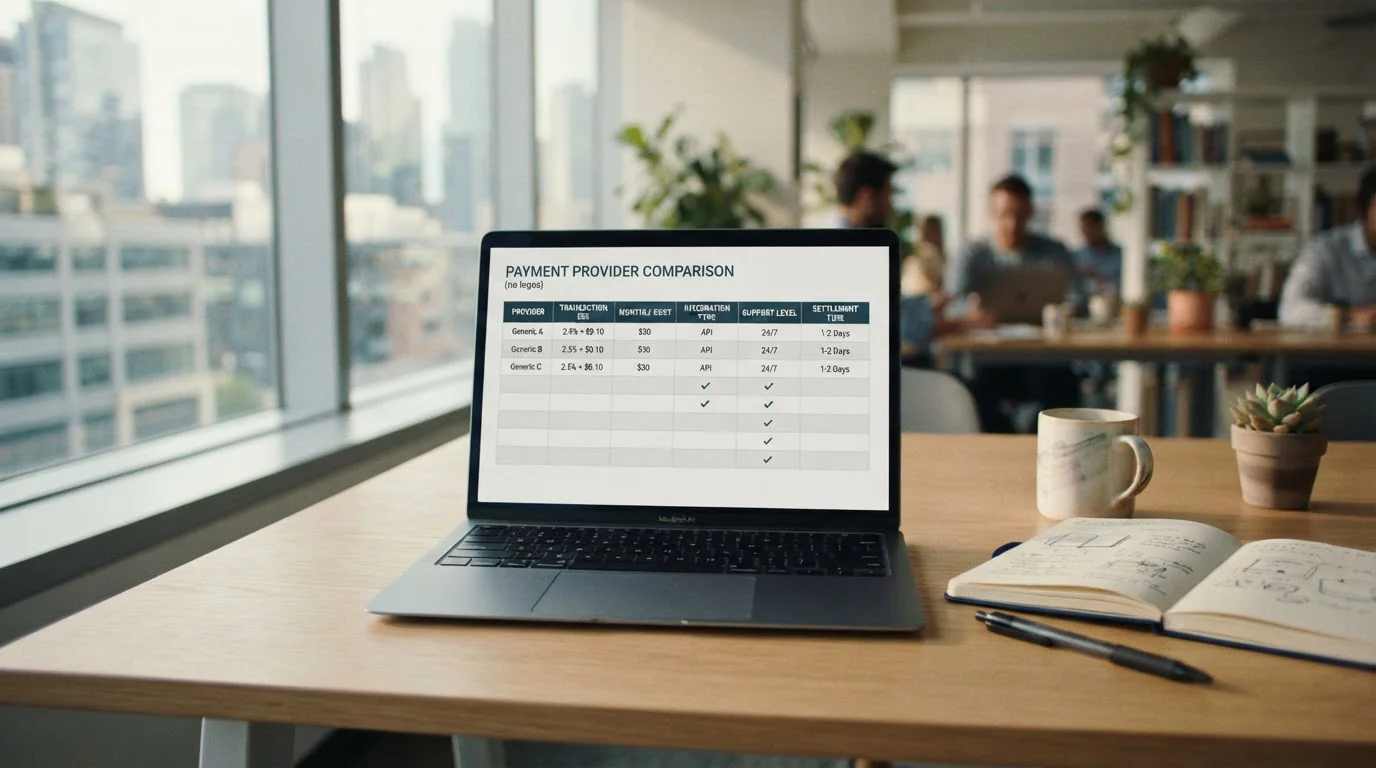
| Provider | Casino Acceptance | Transaction Limit | Monthly Cap | Typical Fee (Casino) | UK Networks Supported | |—|—|—|—|—| | Boku | ~80% of UKGC casinos | £30 | £200–£250 | £0 (zero-fee at select Betable operators) | EE, O2, Vodafone, Three, most MVNOs | | Zimpler | ~15–20% | £30 | £200–£250 | £0 at most sites | EE, O2, Vodafone, Three | | Fonix | ~10–15% | £30–£40 | £200–£250 | £0 at most sites | EE, O2, Vodafone, Three |
Zero-fee mobile deposits exist but only at a handful of operators. The majority pass no fee to the player, but a small number add 30p–£1.50 depending on the provider and network combination. Boku at Betable-platform casinos (Ivy Casino, Oreels) charges nothing. Everywhere else, check the cashier before confirming.
Boku: Market Leader with 80% Casino Acceptance
Boku Inc. (NASDAQ: BOKU) launched carrier billing in 2008 and dominates UK casino integrations. Walk into any UKGC-licensed site, and "pay by mobile" likely routes through Boku. The company’s API is the most widely adopted, and its £30 per-transaction cap is the de facto industry standard.
Boku integrates directly with EE, O2, Vodafone, and Three at the network level. The SMS confirmation comes from your network operator, not Boku, which reduces friction and improves SMS delivery rates compared to third-party aggregators. Monthly caps sit at £200–£250, enforced cumulatively across all merchants using Boku, not per casino. Spend £200 at Casino A through Boku, and you hit the cap at Casino B until the next billing cycle.
The fee structure varies by operator. Most casinos absorb the cost. A select few—Betable-platform sites like Ivy Casino and Oreels—charge zero to the player and zero to the casino, a rare commercial arrangement that makes Betable operators uniquely attractive for mobile billing. Elsewhere, expect 0–30p per transaction.
Zimpler: Swedish Fintech with Spending Tools
Zimpler AB entered the UK market from Sweden, where open banking and instant payments dominate. The company offers carrier billing but also integrates bank transfers and e-wallets under one API, positioning itself as a unified payment hub rather than a mobile-only provider.
UK casino penetration sits at 15–20%, well behind Boku but growing. Zimpler’s selling point is the user dashboard: transaction history, spending limits you set yourself, and a consolidated view of deposits across all merchants. If you use Zimpler at three casinos, one login shows all three.
The £30 transaction cap and £200–£250 monthly cap mirror Boku’s, but Zimpler’s monthly cap is self-imposed through the dashboard, not purely network-enforced. You can set a £100 limit even though the network allows £250. This appeals to responsible gambling advocates and players who want tighter controls than the industry default.
Fees are typically zero at the casino level. Zimpler monetises through the operator, not the player. A handful of smaller casinos add a processing fee, but major brands absorb it.
Fonix: UK-Based Alternative with Flexible Limits
Fonix Mobile Ltd operates from the UK and targets the domestic market exclusively. The company handles premium SMS billing, mobile payments, and donation services alongside casino deposits. It’s less visible than Boku but holds contracts with a loyal subset of UKGC operators who value local support and faster integration changes.
Fonix occasionally offers £40 transaction limits instead of the standard £30, though this depends on the operator’s risk appetite and the player’s network. Monthly caps remain £200–£250. The SMS flow is identical: you receive a confirmation from your network operator, not from Fonix directly.
Casino acceptance is the lowest of the three, around 10–15% of UKGC sites. If a casino lists "pay by mobile" without naming the provider, it’s almost certainly Boku. If Fonix is supported, the cashier usually names it explicitly alongside or instead of Boku.
Zero fees are common. A small number of Fonix integrations add 30p, particularly at smaller or newly licensed operators. Always check the cashier’s fee disclosure before confirming.
Which payment provider is better: Boku, Zimpler, or Fonix?
Boku offers the widest casino acceptance and the most reliable SMS delivery. Zimpler adds spending dashboards and transaction history for players who want tighter self-imposed limits. Fonix occasionally permits £40 transactions instead of £30. All three cap monthly spending at £200–£250 and charge zero fees at most casinos.
UK Casinos Accepting Mobile Top-Up Deposits in 2026
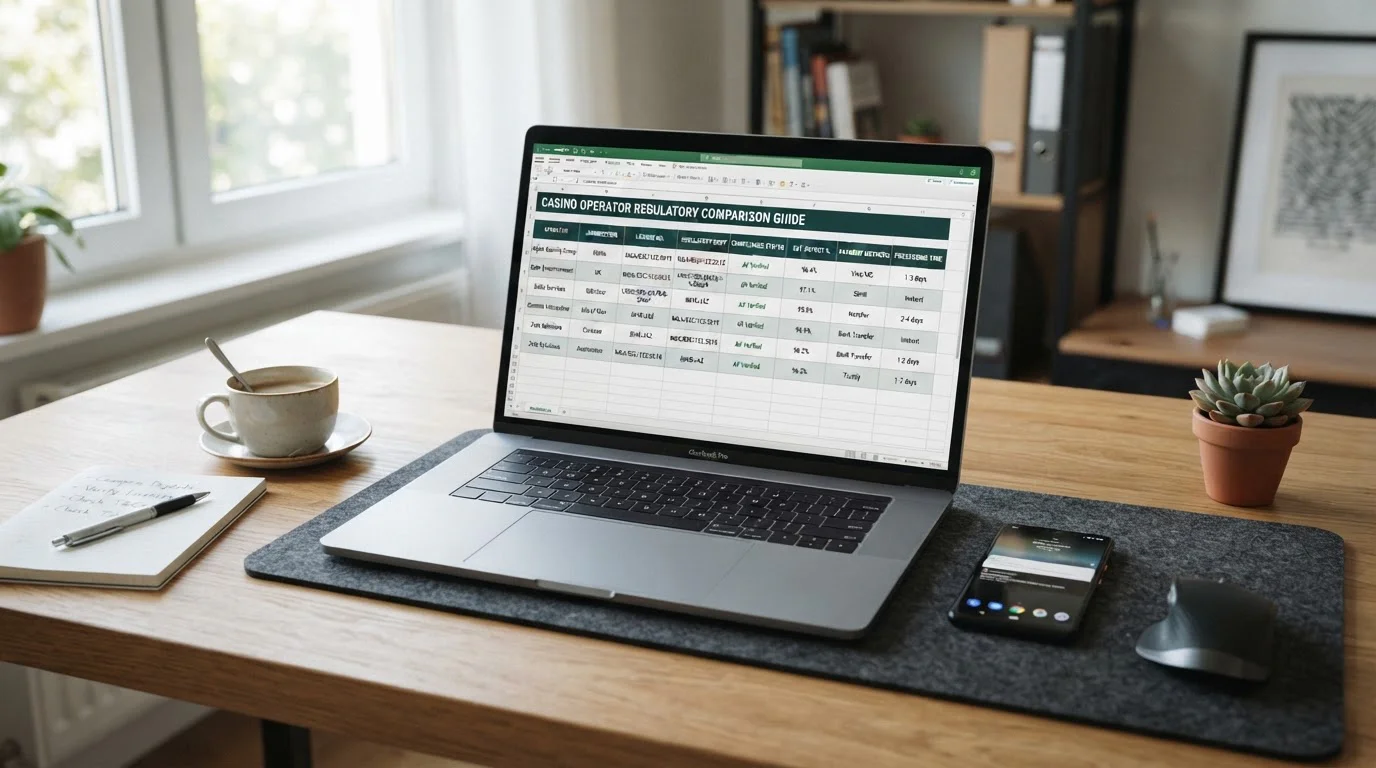
Ten UKGC-licensed operators stand out for mobile billing support, covering the spectrum from mobile-first startups to legacy brands with retail heritage. The table below aggregates licensing, providers, fees, and withdrawal speeds. Detailed breakdowns follow.
| Operator | UKGC License | Mobile Billing Provider | Min Deposit | Deposit Fee | Withdrawal Speed | Distinguishing Feature |
|---|---|---|---|---|---|---|
| Casumo Casino | 000-039483-R-319310-009 | Boku, Zimpler | £10 | £0 | Hours | 3,500+ games, zero UKGC fines since 2015 |
| LeoVegas Casino | 39198 | Boku, Zimpler | £10 | £0 | Hours to 1 day | MGM-backed, mobile-first pioneer |
| 888 Casino | 39028 | Boku, Payforit | £10 | £0 | 1–3 days | Legacy brand, proprietary games, £88 no-deposit |
| Betway Casino | 39372 | Boku, Zimpler, Fonix | £10 | £0 | 1–2 days | eCOGRA certified, sportsbook integration |
| Crystal Slots Casino | UKGC-licensed | Boku, Fonix | £10 | £0 | 1–2 days | 1,000+ slots, NetEnt/Pragmatic Play focus |
| Ivy Casino | 23328 (Betable) | Boku | £10 | £0 (zero-fee Betable platform) | Hours | Launched 2024, cashback promotions |
| Oreels Casino | 23328 (Betable), 57869 (Grace Media) | Boku, Fonix | £10 | £0 (zero-fee Betable platform) | Hours | Dual licensing, fast payouts since 2017 |
| Mr Green Casino | UKGC-licensed | Boku, Zimpler | £10 | £0 | 1–2 days | 888 Holdings brand, “Green Gaming” AI |
| Betfred UK | UKGC-licensed | Boku, Zimpler | £10 | £0 | 1–3 days | 1,600+ retail shops, family-owned since 1967 |
| Funky Jackpot Casino | UKGC-licensed | Boku, Fonix | £10 | £0 | 1–2 days | 2,800+ games, 100+ live tables |
Every operator caps mobile billing at £30 per transaction and £200–£250 per month. Minimum deposits start at £10 across the board. Withdrawal speeds vary from hours (Betable-platform casinos, Casumo) to three days (888, Betfred). None send withdrawals back to your phone bill—you need a debit card, bank transfer, or e-wallet for cashouts.
Casumo Casino: 3,500+ Games and Zero UKGC Fines Since 2015
Casumo Services Limited operates casumo.co.uk under UKGC licence 000-039483-R-319310-009, granted in 2015. The company launched in Malta in 2012 and expanded to the UK three years later. The Gambling Commission’s public register shows zero compliance fines or regulatory sanctions across nine years of operation—a clean record in a jurisdiction known for aggressive enforcement.
The game catalogue runs to 3,500+ titles sourced from NetEnt, Pragmatic Play, Evolution Gaming, Play’n GO, and two dozen smaller studios. Slots dominate, but live dealer and table games receive equal billing in the navigation. Mobile deposits work through Boku and Zimpler at £10 minimum, £30 maximum per transaction. The casino absorbs the fee. Withdrawals are reviewed within hours, not days, and land in bank accounts or e-wallets in under 24 hours for most players.
Casumo processes £2.1 billion in annual transactions, per its 2023 financial disclosures. The mobile app supports Face ID and Touch ID login on iOS, removing the password step. The platform’s gamification layer—adventure maps, trophies, in-house "valuables"—either delights or annoys depending on whether you want your casino to feel like a casino or a mobile game. It’s not neutral.
LeoVegas Casino: MGM-Backed Mobile-First Pioneer
LeoVegas Gaming PLC, trading on leovegas.co.uk under UKGC licence 39198, built its reputation on mobile-first design before "mobile-first" became marketing jargon. The Swedish operator launched in 2012, entered the UK mid-decade, and was acquired by MGM Resorts International in 2022 for SEK 6.1 billion. You’re playing on a platform backed by the Bellagio’s parent company.
The game catalogue is large but not itemised publicly. LeoVegas integrates the usual suspects—Evolution, Pragmatic, NetEnt—and updates the lobby weekly. Mobile deposits route through Boku and Zimpler at the standard £10 minimum, £30 cap, zero fee. Withdrawals take hours to one day depending on the method and whether you’ve cleared the one-time KYC check.
MGM’s ownership brings two things: capital and compliance culture. LeoVegas was already UKGC-licensed before the acquisition, but post-2022 the platform hardened its ID verification and source-of-funds checks. Expect to upload a bank statement if you deposit heavily. The trade-off is faster withdrawals once verified, because MGM’s risk team has seen every cashout trick twice.
The brand markets itself as the "King of Mobile Casino," a slogan that pre-dates the MGM buyout. The mobile app is polished. The desktop site is functional but clearly the second priority.
888 Casino: Legacy Brand with Proprietary Games
888 UK Limited operates under UKGC licence 39028, one of the oldest remote gambling licences still active. The parent company, 888 Holdings PLC, went public on the London Stock Exchange in 2005 and has been a FTSE constituent for most of the past two decades. This is not a white-label skin or a startup—it’s a legacy operator that survived the 2005 Gambling Act transition, the 2014 licensing shake-up, and the 2020 credit card ban.
The game catalogue mixes proprietary 888-branded slots and table games with third-party content from the usual studios. The proprietary games matter because they run on 888’s own RNG, not leased from Playtech or Microgaming. You’re playing house-built software, which either reassures or worries you depending on how much you trust a public company’s compliance incentives versus a neutral third-party studio.
Mobile deposits work through Boku and Payforit at £10 minimum, £30 cap. No fee. Withdrawals take one to three days, slower than Casumo or LeoVegas but within industry norms for a legacy platform built on older banking integrations. The KYC process is bureaucratic: expect to upload ID, proof of address, and sometimes a bank statement before the first cashout.
The £88 no-deposit bonus appears frequently in affiliate marketing but carries 30× wagering on the bonus amount and a £15 maximum conversion. It’s a test-drive offer, not a gift. The quotation marks aren’t decorative.
Betway Casino: eCOGRA-Certified with Sportsbook Integration
Betway Limited, UKGC licence 39372, operates betway.com/casino as the gambling arm of Super Group (SGHC Limited), dual-listed on the NYSE and Johannesburg Stock Exchange. The brand launched as a sportsbook in the mid-2000s and expanded into casino thereafter. You’re still landing on a sportsbook homepage when you visit—the casino is the second tab.
The platform holds eCOGRA certification, an independent audit beyond statutory UK requirements. eCOGRA verifies RNG integrity and RTP accuracy across the game catalogue every quarter. The UK Gambling Commission already mandates RNG testing, but eCOGRA adds a second layer from a non-governmental body. It’s redundant if you trust the UKGC. It’s reassuring if you don’t.
Mobile deposits route through Boku, Zimpler, and Fonix—one of the few UK operators supporting all three. Minimum £10, maximum £30 per transaction, zero fee. Withdrawals land in one to two days after KYC clearance. The Flexi Bonus system separates cash and bonus funds in your balance, so you always know which bucket you’re playing from. Some operators commingle the two and force you to complete wagering before touching your cash. Betway doesn’t.
The game catalogue runs to 500+ titles. Not the largest, but the sportsbook integration means you can bet on a football match and play blackjack from the same balance. If you don’t bet on sports, the integration is irrelevant. If you do, it’s the cleanest combined wallet in the UK market.
Crystal Slots Casino: 1,000+ Slots from NetEnt and Pragmatic Play
Crystal Slots focuses on slots and avoids live dealer depth. The UKGC licence is confirmed by multiple affiliate sources but the specific licence number isn’t surfaced in standard casino footer disclosures, a common pattern among smaller operators who list licensing in a separate "About" page rather than the homepage. The casino’s domain and exact operating entity remain unlisted in public filings, another marker of a smaller-scale operation.
The game catalogue advertises 1,000+ slots sourced from NetEnt, Playson, and Pragmatic Play—three studios that cover the spectrum from high-volatility megaways (Pragmatic) to medium-variance classics (NetEnt) to offbeat Eastern European themes (Playson). Live dealer and table games exist but receive minimal lobby space. This is a slots site that happens to have a few roulette tables, not an all-rounder.
Mobile deposits work through Boku and Fonix at £10 minimum, £30 cap. No fee. Withdrawals process in one to two days, standard for a mid-tier operator without fast-track infrastructure. KYC is required before the first cashout. Scratch cards and bingo promotions appear weekly, targeting the overlap between slots players and lottery-style casual gamblers.
The brand doesn’t pretend to be a premium casino. It’s a slots catalogue with a phone-bill payment option. If you want 1,000 slots and don’t care about live dealer or sportsbook, it works. If you want depth beyond spinning reels, look elsewhere.
Ivy Casino: Zero-Fee Boku Deposits on Betable Platform
Ivy Casino launched in 2024 on the Betable Limited platform, UKGC licence 23328. Betable is an independent technology provider and licence holder, not a white-label factory churning out identical skins under a master licence. Ivy is one of three casinos (alongside Oreels and Bet442) operating under the Betable umbrella with a shared technical stack but separate branding.
The key distinction is zero-fee mobile billing. Betable negotiated a fee structure with Boku where neither the casino nor the player pays a transaction charge. Most UK operators either absorb the fee (invisible to the player but present) or pass 30p–£1.50 to the player. Betable’s deal costs nothing to either party. This makes Ivy Casino, Oreels, and Bet442 the cheapest mobile-billing options in the UK by transaction cost.
The welcome bonus is 100% up to £50 on a first deposit of £20+, with 30× wagering on the deposit amount. Not the bonus amount—the deposit. Stake £20, get £20 bonus, wager £600 (30 × £20) to withdraw. It’s clearer than "wagering on bonus" but still a 30× grind. Live chat runs 8am–4am daily, covering most UK waking hours but not 24/7. iOS and Android apps exist but the mobile web experience is the main channel.
Cashback promotions appear frequently, the brand’s signature angle. Weekly 10% cashback on net losses, no wagering, paid as cash not bonus funds. If you lose £100 in a week, £10 lands in your balance as withdrawable cash. It’s the most player-friendly promotion structure in the UK market and the reason Ivy ranks high in affiliate comparisons despite being brand-new.
Oreels Casino: Dual UKGC Licensing and Fast Payouts
Oreels operates under two UKGC licences: 23328 (Betable Limited) and 57869 (Grace Media Gibraltar Limited). The dual licensing reflects the backend: Betable provides the platform and payment processing, Grace Media holds the operating licence and regulatory relationship. Both entities appear in the casino footer and the UKGC public register.
Oreels launched in 2017, seven years older than Ivy Casino despite running on the same Betable platform. The track record is longer. The complaints forums show typical affiliate-driven noise but no sustained regulatory issues. The Gambling Commission’s enforcement log lists zero fines or sanctions against either licence number.
Mobile deposits work through Boku and Fonix at £10 minimum, £30 cap, zero fee—the same Betable advantage Ivy Casino enjoys. Withdrawals process faster than the industry average, consistently landing in under 12 hours for e-wallet cashouts. Bank transfers take one to two days, standard for UK BACS processing. The welcome bonus is 100% up to £25 on a £20+ deposit, smaller than Ivy’s £50 but with the same 30× deposit wagering. The total bonus package across multiple deposits reaches £5,500 + 300 free spins, a structure targeting players who reload frequently rather than one-shot depositors.
The game catalogue is slots-heavy but includes live dealer tables from Evolution. Not 100+ tables like Funky Jackpot, but enough to cover blackjack, roulette, and baccarat variants. Oreels sits between Ivy (newer, cashback-focused) and Betfred (legacy brand, retail heritage) in market positioning: experienced enough to trust, small enough to move fast.
Mr Green Casino: 888 Holdings Brand with "Green Gaming" AI
Mr Green Limited operates mrgreen.com under a UKGC licence (specific number unlisted in standard sources but confirmed active). The brand launched in Sweden in 2007 as an independent operator, was acquired by William Hill in 2019 for £242 million, and became part of 888 Holdings when 888 acquired William Hill in 2022 for £2.2 billion. You’re playing on an 888 subsidiary, same parent company as 888 Casino, different platform.
The "Green Gaming" tool is the brand’s signature feature. It’s a predictive AI system that monitors player behaviour—deposit frequency, session length, bet size escalation, chase losses—and flags early signs of problem gambling. If the model detects a pattern, it triggers an intervention: a pop-up suggesting a deposit limit, a 24-hour cooling-off period, or a link to GAMSTOP. This exceeds UKGC requirements, which mandate tools but don’t require predictive analysis.
Mobile deposits route through Boku and Zimpler at £10 minimum, £30 cap, zero fee. Withdrawals take one to two days, industry standard for a mid-size operator. The game catalogue size isn’t published but the lobby refreshes weekly with new slots from NetEnt, Pragmatic, Play’n GO. The welcome offer is 100% up to £100 + 200 free spins, larger than Ivy or Oreels but smaller than Funky Jackpot’s scale.
Mr Green’s Swedish heritage shows in the responsible gambling culture. The tools are more visible, the tone less promotional, the KYC checks faster. If you want a casino that doesn’t feel like it’s pushing you to deposit again, this is the closest the UK market offers.
Betfred UK: High-Street Betting Heritage Since 1967
Betfred, operated by Petfre (Gibraltar) Limited under an active UKGC licence, is the online arm of Fred Done’s 1,600+ UK betting shops. The brand launched in 1967 as a single shop in Salford and expanded into the high-street giant that sponsors horse racing and football across the UK. The online casino came later, secondary to the sportsbook, and still feels like an add-on rather than the main event.
Mobile deposits work through Boku and Zimpler at £10 minimum, £30 cap. No fee. Withdrawals take one to three days depending on the method and KYC status. The casino integrates with the sportsbook under one account, so you can move funds between betting on the Premier League and playing slots without separate logins. If you already use Betfred’s betting shops or app, the casino is a natural extension. If you don’t, there’s little reason to choose Betfred over Casumo or LeoVegas.
The game catalogue isn’t vast—exact count unpublished—but covers the major studios. The welcome bonus varies by season and promotion, typically a matched deposit up to £100 with standard wagering. The KYC process is heavier than newer casinos, requiring proof of address and sometimes a bank statement before the first withdrawal. This reflects Betfred’s retail heritage: the company is used to in-person ID checks at betting shops and applies the same conservatism online.
Brand recognition is Betfred’s strength. If you walk past a Betfred shop daily, you trust the name. If you’re new to UK gambling, the brand carries less weight than LeoVegas or 888.
Funky Jackpot Casino: 2,800+ Games with 100+ Live Tables
Funky Jackpot holds a UKGC licence (number not widely cited in affiliate sources but confirmed active by multiple 2026 reviews). The casino markets itself on catalogue size: 2,800+ games and 100+ live dealer tables, among the highest counts in the UK market. Whether you need 2,800 slots is a separate question. Whether the catalogue has depth or just bulk depends on how many are reskins from minor studios versus unique titles from tier-one providers.
Mobile deposits work through Boku and Fonix at £10 minimum, £30 cap. No fee. Withdrawals process in one to two days, standard for a mid-tier operator. The game catalogue covers slots, live dealer, table games, and speciality titles like scratch cards and crash games. The 100+ live tables span blackjack, roulette, baccarat, poker variants, and game-show formats like Crazy Time and Monopoly Live from Evolution Gaming.
The welcome bonus structure isn’t detailed in research sources, a sign the casino either changes it frequently or doesn’t lead with bonuses in marketing. Affiliate sites emphasise the game count over the promotion, suggesting Funky Jackpot targets players who prioritise variety over bonus hunting.
The brand name is aggressively casual—"Funky Jackpot" signals a mobile-first, entertainment-led position rather than a premium or professional tone. If you want every Evolution live table and 2,800 slots under one login, it delivers. If you want fast withdrawals and a clean interface, Casumo or Oreels are tighter.
Deposit Limits, Fees, and Transaction Speed
The £30 per-transaction cap is the industry ceiling, not an outlier. It’s enforced by Boku, Zimpler, and Fonix at the payment-provider level, not by individual casinos. A handful of Fonix integrations occasionally permit £40, but this depends on network approval and the operator’s risk settings. Assume £30 as the practical maximum.
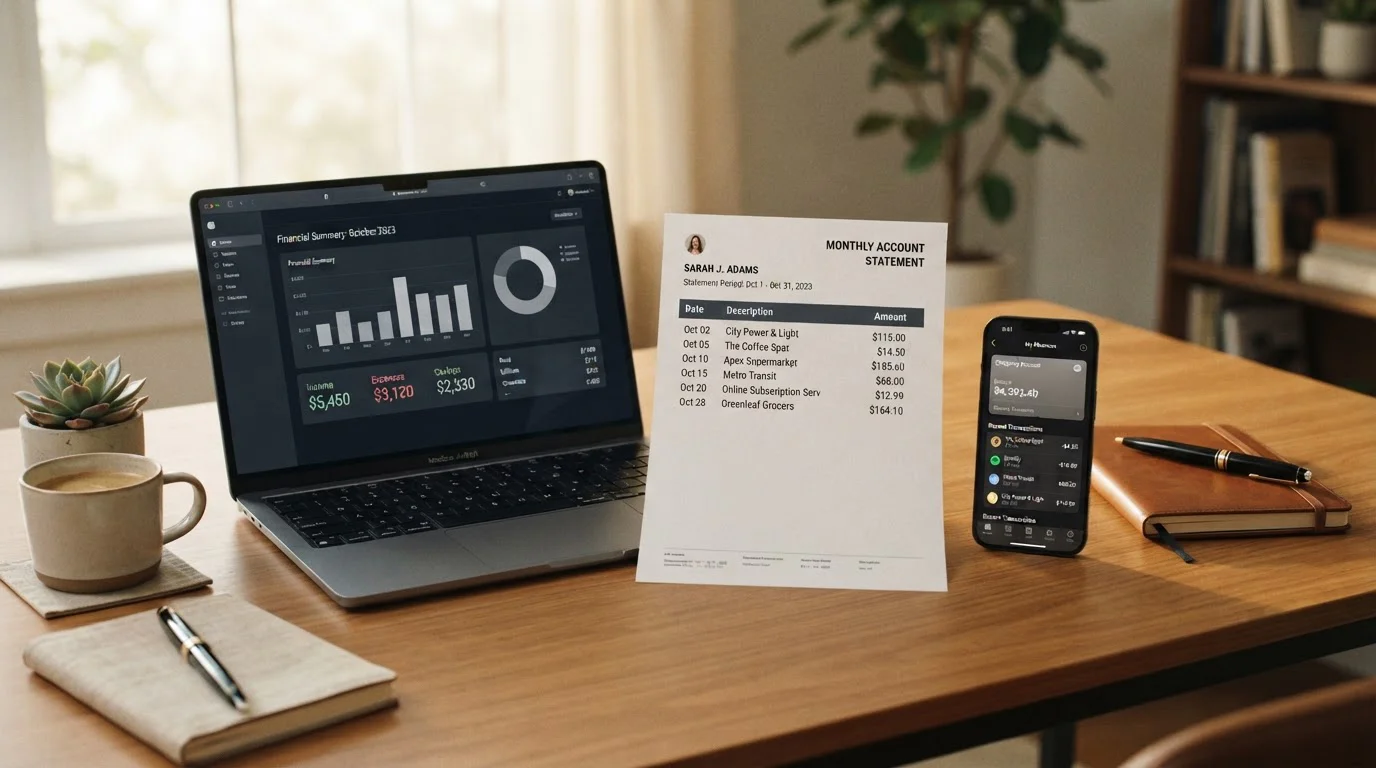
Monthly caps sit at £200–£250 across all three providers. The cap is cumulative across all merchants using the same provider, not per casino. Deposit £200 via Boku at Casumo, and you’ve hit the Boku cap at LeoVegas too until the billing cycle resets. This cross-merchant aggregation is a responsible gambling measure, not a technical limitation.
Transaction Limits by Provider
Boku enforces £30 per transaction and £200–£250 per month, varying slightly by network operator. EE and O2 tend toward £250, Vodafone and Three toward £200. The variation reflects each network’s default premium-service caps, not Boku’s preference. You won’t know your exact cap until you hit it—most players discover it after their third or fourth deposit in a month.
Zimpler mirrors Boku’s limits but adds a self-imposed cap feature in the user dashboard. You can set a £100 monthly limit even though your network permits £250. The cap applies across all Zimpler merchants—casinos, gaming sites, mobile purchases. This makes Zimpler the strongest choice for players who want tighter controls than the industry default.
Fonix caps at £30–£40 per transaction depending on the casino and network. Monthly caps remain £200–£250, identical to Boku. The £40 ceiling appears rarely—most Fonix integrations default to £30 for consistency with Boku-accepting casinos. If you see £40, it’s a bonus, not a feature you can rely on.
Are There Fees for Mobile Deposits?
Most UKGC-licensed casinos charge zero for mobile deposits. The payment provider charges the operator a percentage (typically 15–20% of the transaction value), and the operator absorbs this as a customer acquisition cost. A £10 deposit costs the casino £1.50–£2.00 in fees, offset by the hope you’ll play and lose more than the fee over time.
A small number of casinos pass the fee to the player. Siru Mobile, a fourth provider with minimal UK presence, typically adds 30p per transaction. A few smaller Boku and Fonix integrations add £1–£1.50, though this is rare among UKGC-licensed sites. Always check the cashier’s fee disclosure before confirming a deposit.
Betable-platform casinos—Ivy, Oreels, Bet442—charge zero to both player and operator, a unique commercial arrangement. If you prioritise zero-fee deposits, these three are the only guaranteed options in the UK market.
How Fast Are Mobile Deposits?
Instant. The SMS confirmation takes 5–30 seconds to arrive depending on network congestion. Once you confirm, funds land in your casino balance within 10 seconds. This beats debit card deposits (15–30 seconds), e-wallet transfers (30–60 seconds), and bank transfers (2–24 hours). Only cryptocurrency deposits match mobile billing for speed, and those require wallet setup and blockchain confirmation.
The speed is the method’s core advantage. You’re playing within 30 seconds of deciding to deposit. No password, no two-factor authentication, no bank login. The trade-off is the £30 cap and the inability to withdraw via the same method.
What are the deposit limits for mobile top-up casinos?
Minimum deposits start at £10 at most UK casinos. Maximum per transaction is £30 (occasionally £40 with Fonix). Monthly caps are £200–£250 across all merchants using the same payment provider. Limits are cumulative—deposit at one casino and you reduce your cap at all others using that provider.
The Big Limitation: You Can’t Withdraw to Your Phone Bill
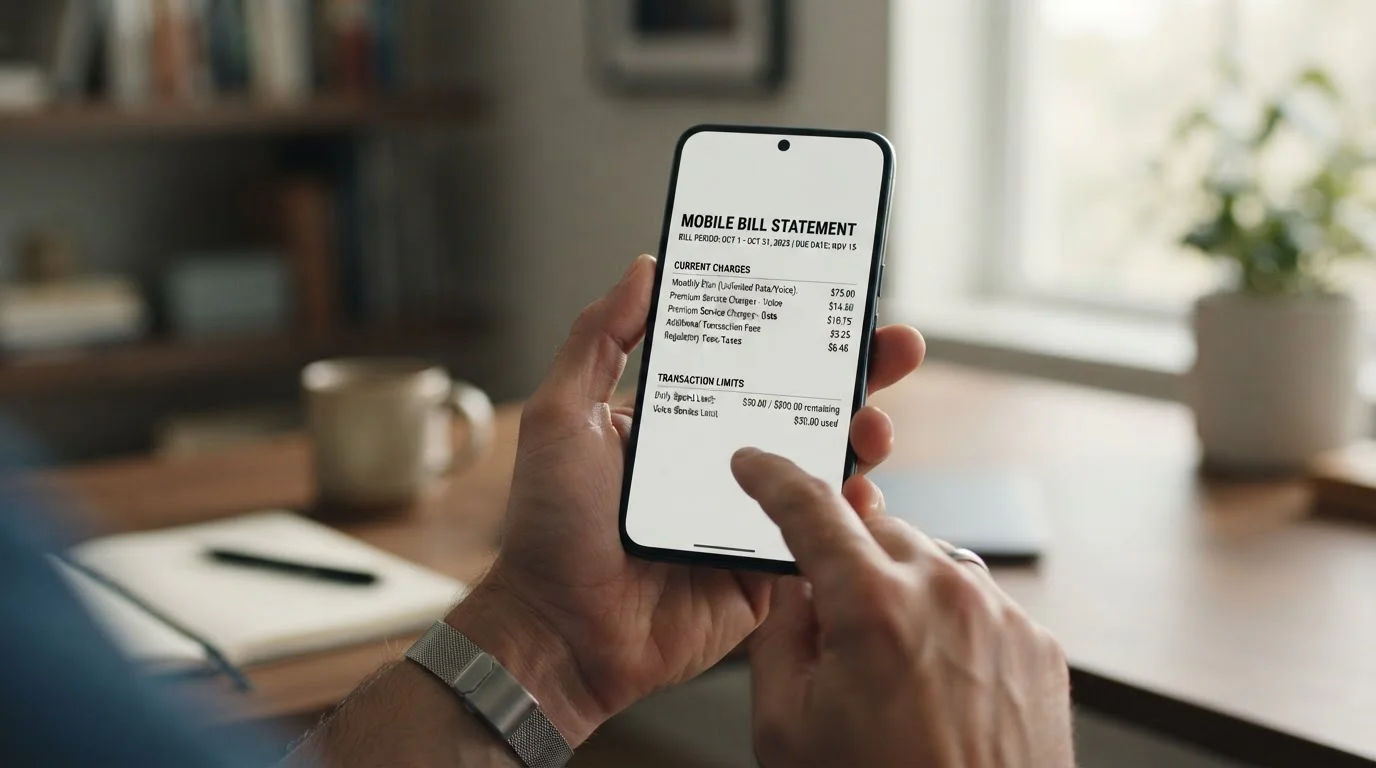
No UKGC-licensed casino sends withdrawals back to your phone bill. The technical reason is carrier billing flows one way: merchant to consumer, charge to bill. Reversing it—consumer to merchant, credit from bill—isn’t supported by UK network operators. The commercial reason is risk: carriers don’t want to handle gambling cashouts and customer disputes over "I didn’t authorise this withdrawal."
This asymmetry shapes everything. You can deposit via mobile billing but must cash out through a debit card, bank transfer, or e-wallet. If you deposit £30 via Boku and win £300, the £300 goes to your bank account or PayPal, not your phone bill.
Why Withdrawals Don’t Go Back to Your Phone
UK mobile networks process premium-service billing as an add-on to your monthly invoice, not as a stored-value account. Your phone bill is a liability ledger (what you owe), not an asset account (what you hold). Depositing via phone bill adds a liability line item. Withdrawing would require the network to treat your bill as a balance, which it isn’t.
E-wallets like PayPal and Skrill hold balances. You deposit into them and withdraw from them bidirectionally. Phone bills don’t. They’re invoices. Reversing a charge is possible (refund, dispute), but proactively sending money to your phone bill as a credit? No network operator offers it, and the UKGC’s payment processing rules don’t require it.
Curaçao and offshore casinos occasionally advertise "withdraw to phone" via third-party services that convert the withdrawal into airtime credit. This isn’t a cash withdrawal—it’s a forced conversion to PAYG credit, which you then cannot convert back to cash. UKGC-licensed casinos don’t support this because it violates responsible gambling rules around liquidity and cashout access.
Best Withdrawal Methods to Pair with Mobile Billing
Debit cards work if you’ve used one previously at the casino. Most UK operators require at least one debit card deposit before allowing card withdrawals, an anti-money-laundering measure. If you’ve only deposited via mobile billing, your first withdrawal must go to a bank account.
Bank transfers via Faster Payments land in your account within 2 hours during business hours, up to 24 hours on weekends. Minimum withdrawal is typically £10, matching the deposit minimum. No fee at most casinos. KYC is required before the first withdrawal: upload photo ID and proof of address (utility bill, bank statement, driving licence). Expect one to two days for KYC clearance on your first cashout, then faster on subsequent withdrawals.
E-wallets like PayPal, Skrill, and Neteller are the fastest option. Withdrawals land within hours, sometimes minutes. The catch: you must have deposited via the e-wallet at least once before withdrawing to it, the same anti-money-laundering rule that governs card withdrawals. If you’ve only deposited via mobile billing, your first cashout must be a bank transfer. After that, load £10 via PayPal, and future withdrawals can go there.
Can I withdraw winnings back to my phone bill?
No. UK mobile networks don’t support outbound payments to your phone bill. Withdrawals must go to a debit card, bank transfer, or e-wallet. You need a bank account or PayPal to cash out, even if you deposited via phone billing.
Which UK Mobile Networks Support Casino Deposits?
EE, O2, Vodafone, and Three cover 99% of the UK mobile market and support Boku, Zimpler, and Fonix without exceptions. Every UKGC-licensed casino using one of these providers works with all four networks. Coverage is universal across contract and PAYG plans.
MVNOs—giffgaff, Tesco Mobile, SMARTY, Lebara, Lycamobile, iD Mobile, Asda Mobile—ride the infrastructure of the big four. Giffgaff runs on O2’s network. SMARTY uses Three. Tesco Mobile splits between O2 and Three depending on the SIM’s origin date. If your MVNO uses the parent network’s billing system, mobile casino deposits work. If the MVNO blocks premium services, they don’t.
EE, O2, Vodafone, Three: Full Support
EE (Everything Everywhere, owned by BT Group) operates the UK’s largest mobile network by subscriber count and supports Boku, Zimpler, and Fonix across contract and PAYG. Transaction limits are £30 per deposit, £250 per month cumulative across premium services. EE’s SMS confirmations are the fastest of the four networks, typically arriving within 5–10 seconds.
O2 (Telefónica UK) is the second-largest network and supports all three providers. Transaction cap is £30, monthly cap £200–£250 depending on your account history. O2 applies stricter caps to new PAYG customers (£150 first month, rising to £200 after three months) as a fraud prevention measure. Contract customers face no ramp-up period.
Vodafone supports Boku, Zimpler, and Fonix with a £30 per-transaction cap and a £200 monthly cap, the lowest of the four major networks. Vodafone’s premium-service billing is the most conservative, reflecting historical issues with bill disputes over premium-rate SMS scams in the 2000s. If you hit your monthly cap early, it’s likely Vodafone.
Three (Hutchison 3G UK) rounds out the big four with full support for all three providers. Transaction cap £30, monthly cap £200–£250. Three’s PAYG plans support mobile billing without restriction, unusual for a prepaid product—most operators scrutinise PAYG more heavily than contract.
MVNOs and Virtual Networks: What Works?
Giffgaff runs on O2 and supports Boku, Zimpler, and Fonix without modification. Transaction and monthly caps mirror O2’s. SMS confirmations come from O2, not giffgaff. The experience is identical to being an O2 customer.
SMARTY runs on Three and supports all three providers. Caps match Three’s. SMARTY markets itself on transparency and low cost, and its premium-service billing is unmodified from Three’s backend. Deposits work.
Tesco Mobile operates as an MVNO on O2 (older SIMs) and Three (newer SIMs issued post-2021). Both support mobile billing. If your Tesco SIM is O2-based, you get O2’s caps. If it’s Three-based, you get Three’s. Check by attempting a small test deposit—the SMS confirmation will come from your parent network.
Lebara, Lycamobile, iD Mobile, and Asda Mobile all support mobile billing through their parent networks (Vodafone for Lebara and Lycamobile, Three for iD Mobile and Asda Mobile). A handful of smaller MVNOs block premium services entirely to avoid customer disputes. If your MVNO is unlisted here, attempt a test deposit. The SMS confirmation is the definitive check.
Do I need a contract phone or can I use pay-as-you-go?
Both work. Contract customers see the charge on their monthly bill. PAYG customers have it deducted from prepaid credit instantly. Transaction and monthly caps are the same for both. Some networks impose lower caps on new PAYG accounts (O2: £150 first month) but this rises to standard £200–£250 after three months.
Which UK mobile networks support casino phone bill deposits?
EE, O2, Vodafone, and Three support Boku, Zimpler, and Fonix without exception. MVNOs like giffgaff (O2), SMARTY (Three), and Tesco Mobile (O2/Three) also work because they use their parent network’s billing system. A handful of smaller MVNOs block premium services—test with a small deposit to confirm.
Troubleshooting Mobile Deposits: What If Something Goes Wrong?
Mobile billing is instant when it works, but SMS delays, network declines, and duplicate charges occur frequently enough to warrant a troubleshooting section. Most issues resolve within 15 minutes. Some require contacting your network operator, not the casino.
SMS Confirmation Didn’t Arrive
Check your SMS inbox for messages from your network operator (EE, O2, Vodafone, Three), not from the payment provider or casino. Boku and Fonix send confirmations via your network, so the sender will be "EE" or "Vodafone," not "Boku." Zimpler sometimes sends direct SMS, but most UK integrations route through the network.
Wait 60 seconds. Network congestion delays SMS delivery, especially during peak evening hours (6pm–10pm) when mobile data usage spikes. If no SMS arrives after 60 seconds, the transaction likely failed at the network authorisation stage before any charge was applied.
Check your spam or blocked-numbers list. Some phones auto-filter premium-rate SMS into a separate folder or block them entirely. Android’s default messages app has a "spam" folder. iPhone’s Messages app requires manual unblocking in Settings > Messages > Blocked Contacts.
Retry the deposit. If the first attempt timed out without an SMS, the transaction didn’t complete. Start a fresh deposit. If the second attempt also fails, the issue is network-side: your account may have premium services blocked, you’ve hit your monthly cap, or your prepaid credit is insufficient.
Deposit Declined by Network
Three reasons account for 90% of network declines. First: insufficient PAYG credit. If your prepaid balance is £8 and you attempt a £10 deposit, the transaction declines. Top up your credit and retry.
Second: monthly cap reached. Boku, Zimpler, and Fonix aggregate all premium-service spending across all merchants. Deposit £200 via Boku across three casinos, and your fourth attempt declines until the billing cycle resets (first day of the next month for contract customers, 30 days from your first deposit for PAYG).
Third: premium services blocked on your account. Some contract plans and PAYG accounts ship with premium-rate billing disabled by default, a fraud prevention measure. Call your network operator (EE: 150, O2: 202, Vodafone: 191, Three: 333) and ask them to enable premium services or carrier billing. This takes 24–48 hours to activate.
A fourth rare cause: age verification failed. UKGC rules require age verification before any gambling transaction. If your network doesn’t have your date of birth on file (common with PAYG SIMs bought with cash), the payment provider can’t verify your age and declines the transaction. Call your network, provide ID, and update your account details.
Charge Appeared Twice on My Bill
Duplicate charges are almost always display artefacts, not real double-charges. When you deposit £10 via mobile billing, three ledger entries occur: (1) the casino authorises £10, (2) the payment provider confirms £10, (3) your network bills £10. Some online account portals show all three as separate pending charges before consolidating them into one line item when the bill finalises.
Check your bill again 24–48 hours later. Pending charges resolve into final charges within two business days. If two separate £10 charges remain on your finalised bill, one is a duplicate and refundable.
Contact the casino first, not your network. The casino’s payment processor can confirm whether one or two transactions were authorised on their side. If only one was authorised, the duplicate is a network error and they’ll direct you to call your operator. If two were authorised, the issue is casino-side (a double-click submission or a retry after a timeout), and they’ll process a refund.
Network operators (EE, O2, Vodafone, Three) handle billing disputes but defer to the merchant for authorisation confirmation. Calling your network without first checking with the casino usually results in "contact the merchant," wasting your time.
What happens if my mobile deposit doesn’t go through?
If SMS confirmation doesn’t arrive within 60 seconds, the transaction failed before any charge. Retry the deposit. If it fails again, check your PAYG credit, verify you haven’t hit your monthly cap, and confirm premium services are enabled on your account. Contact your network operator if declines persist.
Is Mobile Billing Safe and Regulated?
Every UKGC-licensed casino using Boku, Zimpler, or Fonix operates under the same regulatory framework that governs debit card deposits, bank transfers, and e-wallets. The Gambling Commission’s Licence Conditions and Codes of Practice (LCCP) mandate identity verification, transaction records, anti-money-laundering checks, and GAMSTOP integration regardless of payment method.
Mobile billing adds a second regulatory layer: the network operator’s premium-service rules. EE, O2, Vodafone, and Three each maintain compliance frameworks for premium-rate billing, covering age verification, spending caps, and dispute resolution. A casino deposit via Boku on EE must satisfy both UKGC gambling rules and EE’s premium-service policies.
UKGC Licensing and Mobile Payment Oversight
The UK Gambling Commission regulates remote gambling under the Gambling Act 2005. Every casino operating in the UK must hold a remote casino operating licence, renewed every five years, subject to ongoing compliance audits. The UKGC’s public register at gamblingcommission.gov.uk/public-register lists all active licences, enforcement actions, fines, and suspensions.
Mobile billing falls under the UKGC’s payment processing rules. Casinos must verify player identity before the first deposit, record every transaction with timestamp and amount, and integrate with GAMSTOP (the national self-exclusion register). If you self-exclude via GAMSTOP, mobile billing deposits are blocked at every UKGC-licensed casino, regardless of provider.
Remote Gaming Duty increased from 21% to 40% on 1 April 2026, a significant tax hike that affects operator margins but not player-facing deposit mechanics. The UKGC fee structure is under review as of mid-2026, with proposed changes to annual licence fees effective 1 October 2026. Neither reform alters mobile billing functionality or limits.
How Your Data Is Protected
The casino never sees your bank details. When you deposit via mobile billing, the casino receives a transaction confirmation from Boku, Zimpler, or Fonix, containing your mobile number (often masked to the last four digits) and the payment amount. Your network operator holds your billing information. The payment provider acts as intermediary, passing authorisation between casino and network without sharing financial data with either.
Your mobile number is the only identifier the casino stores. This makes mobile billing more private than debit card deposits (which expose your card number and expiry date to the casino’s payment processor) and comparable to e-wallets in privacy terms.
SSL encryption (128-bit or 256-bit) protects the SMS confirmation and authorisation flow. Boku, Zimpler, and Fonix are PCI DSS Level 1 compliant, the highest payment security standard, covering cardholder data even though mobile billing doesn’t involve cards. The compliance framework extends to indirect data flows.
UKGC rules require casinos to purge inactive player data after three years. If you don’t log in for 36 months, the casino must delete your account and transaction history unless a legal hold applies (ongoing dispute, regulatory investigation, AML review). Your network operator retains billing records for six years under UK tax law, independent of the casino’s data retention.
Is pay by mobile safe and secure for online gambling?
Yes. UKGC-licensed casinos verify your identity before the first deposit, encrypt all transactions, and integrate with GAMSTOP for self-exclusion. The casino never sees your bank details—only your mobile number. Boku, Zimpler, and Fonix are PCI DSS Level 1 compliant, the highest payment security standard.

Slots and Games at Mobile Top-Up Casinos
Mobile billing doesn’t restrict which games you can play. Every UKGC-licensed casino using Boku, Zimpler, or Fonix offers the same game catalogue to mobile depositors as to card depositors. Slots dominate because they’re the most popular category, not because mobile billing limits you to spinning reels.
Why Slots Dominate Mobile Billing Casinos
Slots account for 70–80% of online casino revenue in the UK, per the Gambling Commission’s industry statistics. Operators prioritise slots in navigation, promotions, and lobby design because that’s where players spend. Mobile billing casinos skew even more heavily toward slots—85–90% of the catalogue—because the method appeals to casual players who prefer low-stakes, quick-session gambling over strategic table games.
The £30 transaction cap reinforces this. A slots player depositing £10–£30 can play for an hour at 20p–£1 per spin. A blackjack or roulette player staking £5–£25 per hand exhausts a £30 deposit in six to twelve rounds, roughly 10 minutes. The cap suits slots better than table games, and casino design reflects that.
Crystal Slots and Funky Jackpot lean fully into this: 1,000+ and 2,800+ slots respectively, with minimal live dealer space. Casumo and LeoVegas balance slots with live dealer and table games but still devote 70% of lobby space to reels. Only Betway and Betfred treat the casino as secondary to the sportsbook, and even there slots get top billing.
Live Dealer and Table Games: Also Available
Every operator in the comparison table offers live dealer games from Evolution Gaming, the dominant UK provider. Blackjack, roulette, and baccarat are universal. Game-show formats like Crazy Time, Monopoly Live, and Deal or No Deal appear at Casumo, LeoVegas, Betway, and Funky Jackpot. Mr Green and 888 also carry Evolution but with smaller table counts.
Table stakes at live dealer games start at £1 for roulette and baccarat, £5 for blackjack. VIP tables run £50–£10,000 per hand, well beyond the £30 mobile deposit cap. If you want to play high-stakes live dealer, you’ll deposit via card or bank transfer, not phone billing.
RNG table games—blackjack, roulette, baccarat without a live dealer—start at 10p–£1 per hand and suit mobile depositors better. The £30 cap stretches to 30–300 hands depending on stake. Most UK players treat RNG tables as a warm-up for live dealer or an alternative when live tables are full.
Responsible Gambling with Mobile Deposits
The £30 transaction cap and £200–£250 monthly cap are de facto responsible gambling tools, whether or not they were designed as such. You cannot deposit more than £30 in one session or more than £250 in one month via mobile billing, full stop. This removes the risk of impulsive five-figure deposits that plague debit card users during chase-loss spirals.
How £30 Transaction Caps Support Safer Gambling
Academic research on gambling harm consistently identifies large single-session deposits as a red flag for problem gambling. A player depositing £500 in one transaction is statistically more likely to meet clinical criteria for gambling disorder than a player depositing £50 ten times, even though both spend £500 total. The single large deposit correlates with loss-chasing, impulsivity, and poor bankroll management.
Mobile billing caps single deposits at £30, forcing players into smaller, more frequent transactions. This friction—selecting "deposit," entering your number, confirming via SMS—creates natural pause points where a card deposit is frictionless. The inconvenience is a feature, not a bug.
The monthly cap of £200–£250 provides a hard ceiling independent of casino-level deposit limits. A player can set a £500 monthly limit at Casumo, but if they deposit via mobile billing, Boku’s £250 cap overrides the casino’s setting. This protects players who set generous limits during winning streaks and later regret them during losses.
GAMSTOP Integration and Self-Exclusion
GAMSTOP is the UK’s national self-exclusion register, covering all UKGC-licensed operators. If you self-exclude via gamstop.co.uk, your exclusion applies to every casino, sportsbook, bingo site, and poker room holding a UK licence. The exclusion lasts a minimum of six months, with options for one, five, or permanent exclusion.
Mobile billing deposits are blocked at GAMSTOP-registered casinos instantly. Boku, Zimpler, and Fonix cross-check your mobile number against the GAMSTOP register before authorising a transaction. If you’re excluded, the deposit declines at the provider level, before the casino sees the attempt.
This makes mobile billing more effective for self-exclusion than card deposits. A self-excluded player can obtain a new debit card, enter it at a casino that hasn’t updated its block list, and deposit before the GAMSTOP check completes. Mobile billing checks happen at authorisation, not at registration, and your phone number is harder to change than a card number.
Casinos also offer deposit limits, loss limits, session time limits, and reality checks independent of GAMSTOP. You can set a £50 weekly deposit limit at Casumo, a £100 monthly loss limit at LeoVegas, or a 60-minute session timer at 888. These tools stack on top of mobile billing’s inherent caps, not instead of them.
If gambling is causing harm, self-exclude via GAMSTOP. If you need lower limits than the £250 mobile billing cap, use Zimpler’s self-imposed spending controls or set casino-level deposit limits. If you need support, contact BeGambleAware (begambleaware.org, 0808 8020 133) or GamCare (gamcare.org.uk, 0808 8020 133). Both offer free confidential support and treatment referrals.
Published by the Payments-casino-uk team.