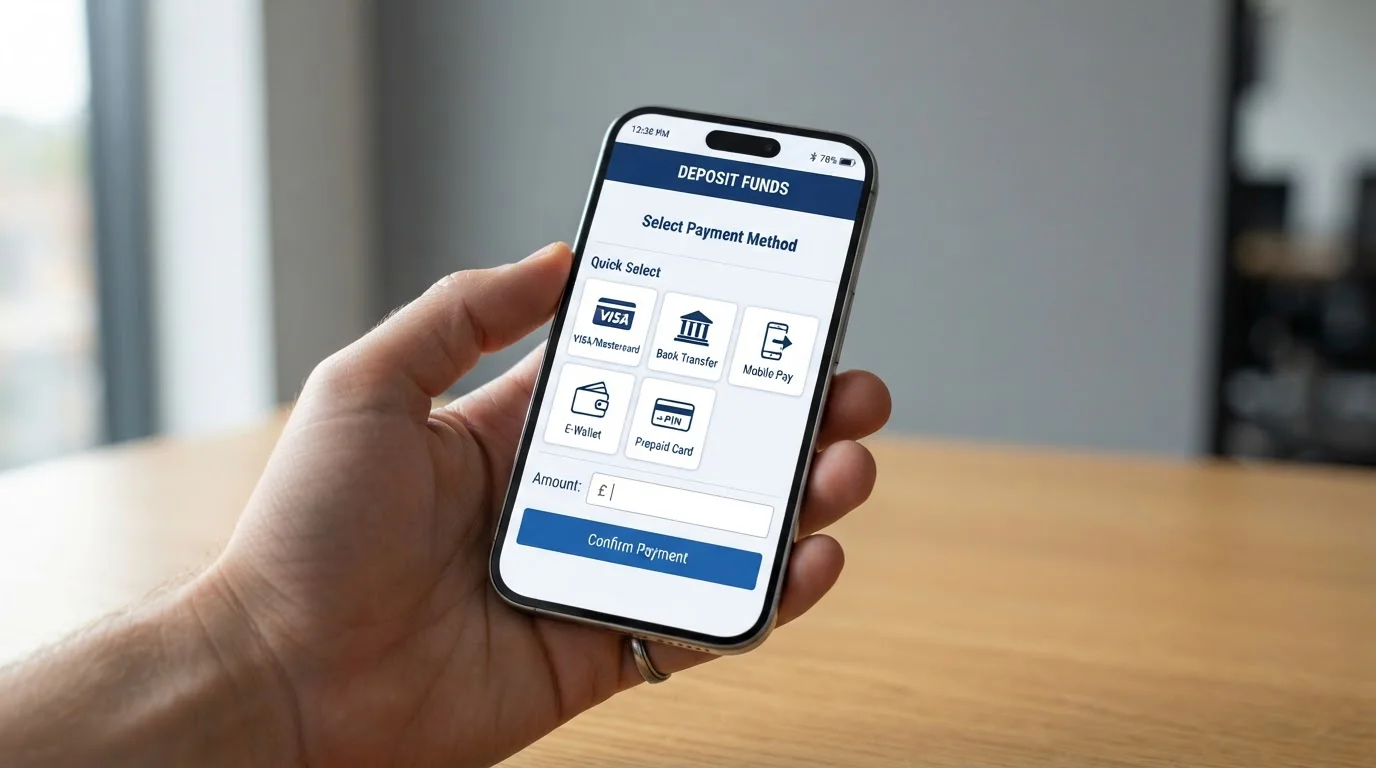
ClickandBuy Casinos UK: What Happened and the Modern Alternatives That Replaced It
 Available in GB

Zero UK online casinos accept ClickandBuy in 2026. The service shut down in April 2016 after Deutsche Telekom pulled the plug, leaving users with a three-month deadline to withdraw funds before the platform went dark. If you landed here searching for ClickandBuy casinos, you’re eight years late to a funeral nobody threw.
The good news: the e-wallet market didn’t stand still. PayPal, Skrill, Neteller, Trustly, Payz, and mobile wallets now do everything ClickandBuy promised—instant deposits, no card details shared with operators, fast withdrawals—and they do it better. The UK Gambling Commission tightened payment rules since 2016 (credit cards banned, affordability checks mandatory), so the alternatives available at UKGC-licensed casinos in 2026 are cleaner, faster, and more transparent than the ClickandBuy generation ever managed.
This guide exists to close the loop. We’ll explain when and why ClickandBuy disappeared, what made it appealing in its day, and which modern payment methods at UK casinos deliver the same functionality without the shutdown risk. Around 40 UKGC-licensed operators accept PayPal. Over 70 support Skrill and Neteller. Trustly processes same-day withdrawals through open banking. Apple Pay and Google Pay work from your phone with a fingerprint. Paysafecard lets you deposit cash bought at a corner shop. The replacement options aren’t hard to find—they’re just not called ClickandBuy anymore.
Table of Contents
- The Truth About ClickandBuy in 2026: No Longer Available
- Modern E-Wallet Alternatives That Replaced ClickandBuy
- How ClickandBuy Worked (And Why You Needed an Alternative)
- Top UK Casinos Accepting ClickandBuy Alternatives (2026)
- Deposits and Withdrawals with Modern E-Wallets
- E-Wallet Bonuses: Do PayPal and Skrill Deposits Qualify?
- UK Gambling Commission Rules for Casino Payments
- Offshore Casinos and ClickandBuy: What You Need to Know
- Mobile Casino Payments: Apple Pay and Google Pay
The Truth About ClickandBuy in 2026: No Longer Available

ClickandBuy ceased operations on 30 April 2016. Deutsche Telekom, which had acquired the e-wallet service in 2010, announced the shutdown in December 2015 and gave users four months to transfer remaining balances back to their bank accounts. By May 2016, the official site displayed a termination notice directing stragglers to a bare-bones FAQ for balance recovery. No casinos—UK-licensed, offshore, crypto, or otherwise—accept ClickandBuy deposits or withdrawals in 2026. The brand is dormant. The legal entity is dissolved. The payment rails are cold.
Deutsche Telekom offered no detailed public explanation for the shutdown beyond "market conditions." Translation: ClickandBuy couldn’t compete. PayPal dominated the mainstream e-wallet market. Skrill and Neteller had locked up the gambling sector by the mid-2000s. Apple Pay and Google Pay arrived in 2014 and 2015, offering tokenized mobile payments with biometric security and zero onboarding friction. ClickandBuy’s niche—e-commerce and gambling payments with a credit-line twist—shrank to irrelevance. By the time Telekom cut the cord, the service was a rounding error in the payments landscape.
At its peak, ClickandBuy served over 14,000 merchants globally and held e-money licenses across Europe. Founded in 2000, it rode the first wave of online gambling expansion, offering players a way to deposit at casinos without typing card details into every cashier. The credit facility—users could borrow against future funding sources—set it apart from pure stored-value wallets. But that feature also made regulatory compliance harder as anti-money-laundering rules tightened in the 2010s. When the UK Gambling Commission started demanding source-of-funds checks and affordability assessments, credit-based e-wallets became a compliance headache. ClickandBuy’s shutdown predated the UK’s April 2020 credit card ban by four years, but the writing was on the wall: payment methods that obscured transaction origins were falling out of favor with regulators.
Is ClickandBuy still available at UK online casinos in 2026?
No. ClickandBuy shut down in April 2016 and has not operated since. Zero UK online casinos accept it for deposits or withdrawals in 2026. The service is defunct.
Why did ClickandBuy shut down?
Deutsche Telekom, which owned ClickandBuy, terminated the service in April 2016 citing competitive market conditions. The e-wallet couldn’t compete with PayPal’s mainstream dominance, Skrill and Neteller’s gambling-sector entrenchment, and the arrival of Apple Pay and Google Pay. No regulatory enforcement or scandal forced the closure—ClickandBuy simply lost market share and became economically unviable.
What happened to ClickandBuy users’ balances when it shut down?
Deutsche Telekom gave users a deadline of 30 April 2016 to withdraw or transfer balances back to their bank accounts. After that date, unclaimed funds were handled through a customer-support FAQ process for stragglers. Users who missed the deadline had to contact support to recover remaining balances, a process that reportedly took weeks and required identity verification.
Modern E-Wallet Alternatives That Replaced ClickandBuy
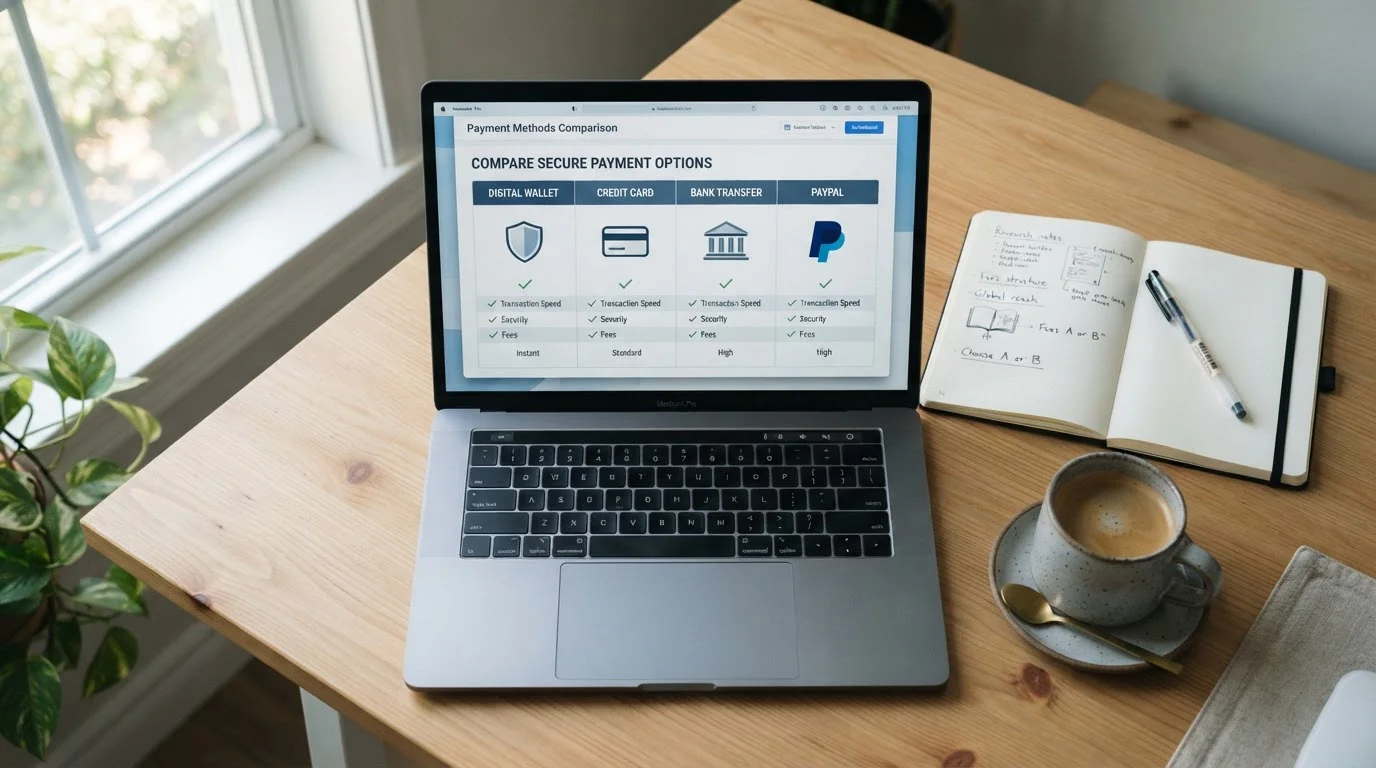
ClickandBuy’s value proposition in the 2000s was simple: deposit at online casinos without sharing card details, get instant fund transfers, and maintain a separation layer between your bank and the operator. In 2026, seven payment methods deliver that exact functionality at UK-licensed casinos—some better, some faster, all more reliable than a service that folded eight years ago.
The table below compares the modern alternatives by type, speed, fees, and key features. Every option listed works at multiple UKGC-licensed operators, supports GBP transactions, and complies with the UK’s April 2020 credit card ban and current affordability rules.
| Payment Method | Type | Deposit Speed | Withdrawal Speed | Fees (Casino Level) | Min Deposit | Key Distinguishing Feature |
|---|---|---|---|---|---|---|
| PayPal | E-wallet | Instant | 1-24 hours | £0 | £5-£10 | Most widely accepted; ~40 UK operators; buyer protection |
| Skrill | E-wallet | Instant | 24-48 hours | £0 | £10 | 72+ UK casinos; VIP tiers; gambling-focused since 2001 |
| Neteller | E-wallet | Instant | Under 1 hour (fastest sites) | £0 | £10 | Sister to Skrill; 70+ operators; Net+ card in some markets |
| Payz | E-wallet | Instant | 0-24 hours | £0 | £10-£20 | 45+ currencies; 5-tier VIP system; privacy-focused |
| Apple Pay | Mobile wallet | Instant | N/A (deposit-only) | £0 | £5-£10 | Biometric auth; tokenized; no separate account needed |
| Google Pay | Mobile wallet | Instant | N/A (deposit-only) | £0 | £5-£10 | Android NFC; tokenized; instant fingerprint approval |
| Trustly | Open banking | Instant | Same-day to 24 hours | £0 | £5-£10 | No account needed; direct bank-to-casino; Pay N Play |
| Paysafecard | Prepaid voucher | Instant | N/A (deposit-only) | £0 | £10 | Cash-friendly; 18,000+ UK retail outlets; 16-digit PIN |
The split across these eight options breaks down cleanly: if you want mainstream acceptance and buyer protection, PayPal is the default. If you’re a regular gambler who values speed over social-media integration, Skrill or Neteller. If you prioritize privacy and don’t want casino transactions on your bank statement, Payz or Paysafecard. If you live on your phone, Apple Pay or Google Pay. If you hate creating accounts and just want your bank to handle it, Trustly.
None of these services will vanish overnight the way ClickandBuy did. PayPal is a publicly traded company processing hundreds of billions in annual volume. Skrill and Neteller are owned by Paysafe Group, a private-equity-backed giant with gambling licenses across multiple jurisdictions. Trustly is a regulated Swedish fintech on PSD2 rails. Apple and Google’s payment divisions are loss-leaders for their ecosystems. The risk profile is night-and-day different from a Deutsche Telekom side project that never found product-market fit.
What is the best alternative to ClickandBuy for UK casino players?
PayPal is the best general-purpose alternative: widely accepted (~40 UK-licensed casinos), instant deposits, 1-24 hour withdrawals, zero casino-level fees, and buyer protection. For regular gamblers, Skrill or Neteller offer similar speed with broader casino acceptance (72+ operators) and VIP fee reductions. For maximum privacy, Payz keeps casino transactions off your bank statement. For simplicity, Trustly connects your bank directly with no separate account.
Which is faster for withdrawals: PayPal, Skrill, or Trustly?
Trustly is fastest in testing: one UK operator processed a withdrawal in 15 minutes end-to-end. PayPal’s fastest recorded time is 52 minutes. Neteller clears in under an hour at top-tier operators. Skrill is slightly slower at 24-48 hours after casino approval. All four beat debit cards (1-3 business days) and bank transfers (2-5 days).
PayPal: The Most Widely Accepted E-Wallet at UK Casinos
PayPal Holdings, Inc. operates the most recognizable e-wallet globally, processing payments in over 200 markets and 100+ currencies. The UK entity—PayPal (Europe) S.à r.l. et Cie, S.C.A.—holds FCA authorization as an e-money institution under the Electronic Money Regulations 2011. Around 40 UKGC-licensed casinos accept PayPal as of September 2026, making it the most widely supported e-wallet at UK-regulated operators. Deposits are instant. Withdrawals land in your PayPal balance within 1 to 24 hours after the casino approves the request, then transfer to your bank in minutes via Faster Payments. Casino-level fees are zero for both deposits and withdrawals, though PayPal charges a 3.5%+ markup on currency conversion if your wallet and the casino operate in different currencies.
PayPal’s distinguishing feature is dual-use ubiquity. It’s not a gambling-only tool—people use it for eBay, retail, peer-to-peer transfers, and subscription payments. That mainstream legitimacy reduces the "I’m funding a casino" stigma for casual players. The buyer protection feature, which lets you dispute transactions with merchants, doesn’t apply to gambling (it’s explicitly excluded in PayPal’s terms), but the brand trust carries over. The fastest recorded UK casino withdrawal via PayPal took 52 minutes end-to-end in April 2026 independent testing, though 4-12 hours is more typical once a casino’s compliance team signs off.
The catch: not every UKGC operator supports PayPal. Around 40 do, down from a peak in the mid-2010s when PayPal briefly pulled back from gambling partnerships due to regulatory uncertainty. The service returned to UK casinos in 2019 and has since expanded steadily. Operators that accept PayPal tend to be larger, established brands—Casumo, Betway, Sky Vegas, Grosvenor, William Hill—rather than new launches. Minimum deposits sit at £5 to £10. Maximum withdrawal limits per transaction range from £3,000 to £10,000 depending on the operator, with daily/weekly ceilings stacked on top. Bonus eligibility varies: some casinos treat PayPal deposits like debit cards (eligible), others exclude e-wallets entirely (check terms before depositing if a welcome offer matters).
Skrill: Gambling-Focused E-Wallet with Wide Acceptance
Skrill Limited, owned by Paysafe Group, operates one of the gambling sector’s most entrenched e-wallets. Originally founded in 2001 as Moneybookers and rebranded Skrill in 2011, the service holds FCA authorization as an e-money institution and has specialized in online gambling payments since the mid-2000s. Over 72 UK-licensed casinos accept Skrill for deposits and withdrawals as of 2026, giving it broader penetration than PayPal and near-parity with sister service Neteller. Deposits are instant. Withdrawals typically clear in 24 to 48 hours after the casino releases funds, with top-tier operators processing in under an hour once approved. Casino-level deposit fees are zero. Withdrawal fees depend on your Skrill account tier—Classic (entry level) pays the highest flat fee, VIP the lowest.
Skrill’s gambling focus is both strength and weakness. Strength: operators integrate it easily, acceptance is high, and the VIP tier system rewards regular users with lower fees and higher transaction limits. Weakness: that same gambling specialization leads to widespread exclusion from welcome bonuses. UK casinos commonly list e-wallets like Skrill and Neteller as ineligible for deposit-match offers, a legacy of "bonus abuse" patterns in the 2010s when players would deposit via e-wallet, clear wagering, withdraw, then repeat at another site. Not every operator excludes Skrill—some treat it like a debit card—but the exclusion is common enough that you should check the bonus terms before funding your account if a welcome offer is part of your calculus.
The service is operationally near-identical to Neteller, unsurprising given both are Paysafe subsidiaries. Currency conversion costs 3.99% above the wholesale rate if your Skrill wallet and the casino transact in different currencies. The VIP program has five tiers (Bronze through Diamond), with fee reductions and limit increases at each level based on transaction volume. Skrill also integrates cryptocurrency on-ramps in some jurisdictions (you can fund your Skrill balance with Bitcoin or Ethereum), though this feature isn’t active for UK gambling transactions due to regulatory restrictions. For a player choosing between Skrill and Neteller, the practical difference is negligible—pick whichever one your casino ranks higher in the cashier dropdown.
Neteller: Trusted E-Wallet Since 1999
Paysafe Financial Services Limited operates Neteller, the elder sibling in the Paysafe e-wallet family. Founded in 1999—two years before Moneybookers launched—Neteller built its reputation in the online gambling sector during the poker boom of the early 2000s and never left. FCA-authorised as an e-money institution, the service is accepted at an estimated 70+ UK-licensed casinos as of 2026, matching Skrill’s reach. Instant deposits. Withdrawals process within 24 hours at most operators, with the fastest sites clearing in under an hour after approval. Zero casino-level deposit fees. Withdrawal fees are tier-dependent (VIP accounts pay less than Classic accounts). Currency conversion is 3.99% over the wholesale rate, identical to Skrill.
Neteller’s operational DNA is indistinguishable from Skrill’s. Same parent company, same compliance framework, same gambling-sector focus, same bonus-exclusion problem at many UK casinos. The choice between the two comes down to minor UI preferences and whichever service you signed up for first. Neteller offers a Net+ Prepaid Mastercard in some markets, letting you spend your e-wallet balance at physical retailers or ATMs, though this card isn’t available for UK gambling transactions due to the April 2020 credit card ban (the Net+ card is technically a prepaid card, but UKGC rules treat it as credit-card-adjacent and block its use at licensed operators).
The VIP tier system mirrors Skrill’s: five levels (Bronze, Silver, Gold, Platinum, VIP) with progressively lower fees and higher limits based on transaction volume. Neteller’s brand carries slightly more legacy weight than Skrill’s—it’s been around longer, weathered the 2006 UIGEA storm in the US market, and survived the 2008-2009 regulatory crackdowns in Europe that killed several competitors. For UK casino players in 2026, that longevity translates to predictable service: Neteller isn’t going anywhere, and if it ever did, Paysafe Group would give users far more warning than ClickandBuy’s four-month countdown.
Payz: Multi-Currency E-Wallet with Privacy Focus
PSI-Pay Ltd operates Payz, the e-wallet formerly known as ecoPayz until a May 2023 rebrand. FCA-authorised under Firm Reference Number 900011, PSI-Pay also holds FINTRAC authorization in Canada and operates across 174 countries. The legal entity, FCA license, and customer database didn’t change with the rebrand—only the name did. Payz functions as a stored-value e-wallet with multi-currency support (45+ currencies) and a five-tier VIP system (Classic, Silver, Gold, Platinum, VIP) that governs fees and limits. Deposits at UK casinos are instant. Withdrawals process in 0 to 24 hours of operator review, then credit your Payz balance in minutes, then transfer to your UK bank via Faster Payments the same business day.
Payz distinguishes itself on privacy and multi-currency flexibility. When you deposit at a casino via Payz, the transaction appears on your bank statement as a Payz top-up, not a casino payment. For players who don’t want their bank or a shared-account partner seeing "Casumo" or "Betway" on monthly statements, that separation layer is the selling point. The multi-currency wallet lets you hold GBP, EUR, USD, and 42 other currencies simultaneously, converting at need. Useful if you play at international operators outside the UK (offshore casinos, travel), though the 2.99% currency-conversion fee above wholesale rates stings on large amounts.
The VIP tier system is more granular than Skrill/Neteller’s. Classic (entry) accounts pay the highest flat fees on withdrawals (£1.50-£3+ per transaction), lowest transaction ceilings, and no perks. VIP-tier accounts pay near-zero withdrawal fees and unlock limits up to €100,000+ equivalent per transaction. Climbing tiers requires transaction volume, not tenure—Payz rewards regular users, not idle accounts. Dormancy is punished: after 12 months of inactivity, PSI-Pay charges £3/month until you log in and transact. The fee structure makes Payz ideal for regular mid-stakes players who value privacy and can justify VIP-tier volume, less so for casual £10 depositors who only play twice a year.
E-wallet bonus exclusions hit Payz as hard as Skrill and Neteller. Many UK casinos list Payz deposits as ineligible for welcome offers. Some operators treat it like a bank transfer (eligible), others lump it with gambling-focused e-wallets (excluded). Check before depositing. Payz’s casino acceptance is narrower than PayPal, Skrill, or Neteller—it’s not ubiquitous, but you’ll find it at 20-40 UKGC-licensed operators. Enough for choice, not enough to take for granted.
Apple Pay & Google Pay: Instant Mobile Deposits
Apple Inc.’s Apple Pay and Google LLC’s Google Pay are tokenized mobile wallet systems using NFC (near-field communication) and device biometrics for authentication. Neither company operates as an e-money institution—they function as payment facilitators, passing tokenized credentials from a debit card already stored in your phone’s wallet to the casino’s payment processor. Apple Pay requires an iPhone, iPad, or Apple Watch. Google Pay requires an Android device with NFC capability. Both deposit instantly at UK casinos. Neither supports withdrawals—winnings return to your original debit card via standard card rails, not back through Apple Pay or Google Pay.
The appeal is speed and simplicity. No separate account to create. No login credentials to remember. Open the casino cashier on your phone, select Apple Pay or Google Pay, authenticate with Face ID, Touch ID, or a fingerprint, approve the amount. Done. The casino receives payment confirmation but never sees your actual card number—Apple and Google generate a single-use token for each transaction, so your 16-digit PAN stays hidden from the operator and any intermediaries. Deposits land instantly in your casino balance, minimum £5 to £10 depending on operator. Maximums per transaction range from £3,000 to £10,000, tied to your underlying debit card’s limits rather than the mobile wallet’s.
The catch is deposit-only functionality. You can’t withdraw to Apple Pay or Google Pay. When you request a payout, the casino sends it back to the debit card you originally funded from, using standard card withdrawal rails (1-3 business days). That asymmetry makes mobile wallets less convenient for regular players who cycle funds in and out weekly. For one-off deposits or casual play, it’s fine. For someone who plays daily and wants same-day withdrawals, Skrill or Neteller are better tools.
Bonus eligibility tends to favor mobile wallets. Because Apple Pay and Google Pay are card-backed (the casino sees a Visa or Mastercard debit transaction, just tokenized), most operators treat them as eligible for welcome bonuses. E-wallet exclusions usually don’t apply. Around 30 to 50 UKGC-licensed casinos support Apple Pay or Google Pay as of 2026—not universal, but growing. Larger operators (Betway, 888, BoyleSports, William Hill, Highbet) accept both. Smaller or newer sites may skip mobile wallet integration due to processor fees or technical lift.
Trustly: Direct Bank Transfers with No Account Needed
Trustly Group AB, a Swedish fintech founded in 2008, operates an open-banking payment infrastructure that connects your UK bank account directly to online casinos without requiring a separate Trustly account. Licensed as a payment institution in Sweden by Finansinspektionen and registered with the FCA in the UK, Trustly uses PSD2 (Payment Services Directive 2) rails to authenticate transactions through your own bank’s app or website. Select Trustly at the casino cashier, choose your bank, log in via your bank’s interface, approve the payment. The casino receives instant confirmation. Your bank debits your account. No middleman e-wallet holds your funds. No new username or password to manage.
Trustly distinguishes itself as the cleanest bank-to-casino path at UK operators in 2026. Deposits are instant. Withdrawals return via the same channel—same-day to 24 hours after the casino approves, landing in your bank account via Faster Payments during UK banking hours. Zero fees at both Trustly and casino level for domestic GBP transactions (no currency conversion, no processing charges). Minimum deposits sit at £5 to £10. Withdrawal minimums are £10, with daily limits of £5,000 to £10,000 depending on operator. Some UK casinos use Trustly to power Pay N Play, a registration flow where depositing simultaneously creates your casino account and completes KYC verification via your bank’s identity data. You go from landing page to playing in under a minute.
The open-banking authentication means your card number and account details never reach the casino. The casino only receives a payment confirmation from Trustly, which itself only gets a pass/fail signal from your bank—Trustly doesn’t see your account balance or transaction history beyond the single payment you authorized. Privacy is structural, not policy-dependent. The risk is that your bank must support Trustly’s integration, and while ~7,000 banks across 29 countries do, not every UK challenger bank or building society is on the list yet. Major banks (Barclays, HSBC, Lloyds, NatWest, Santander) all work. If your bank isn’t supported, Trustly won’t appear as a cashier option.
Bonus eligibility usually favors Trustly. Because it’s bank-based rather than e-wallet-based, most UK casinos treat Trustly deposits as eligible for welcome offers. The withdrawal speed makes Trustly a top choice for players who don’t want the overhead of managing an e-wallet balance. You fund from your bank, you cash out to your bank, everything happens same-day or next-day. The fastest recorded Trustly withdrawal at a UK operator was 15 minutes end-to-end, though 2 to 8 hours is more typical. Operators accepting Trustly in 2026 include SpinYoo, DAZN Bet, LeoVegas, Neptune Play, Pub Casino, Fun Casino, Midnite, Coral, Ladbrokes, and about a dozen others—not as widespread as Skrill or PayPal, but acceptance is growing.
Paysafecard: Prepaid Vouchers for Cash Deposits
Paysafe Prepaid Services Limited, a subsidiary of Paysafe Group, operates Paysafecard, a prepaid voucher system available at over 18,000 UK retail outlets. You buy a voucher at a PayPoint terminal, Tesco, Sainsbury’s, corner shop, or petrol station, paying cash or card for a fixed denomination (£10, £25, £50, £75, £100, £150). The retailer prints a receipt with a 16-digit PIN. You take that PIN to a casino cashier, enter it, and the voucher’s value deposits instantly into your casino balance. No bank account required. No card required. No personal information shared with the casino beyond the voucher code itself.
Paysafecard is deposit-only—you cannot withdraw to it. When you request a payout, the casino must send winnings to an alternative method: bank transfer (2-5 days), debit card (1-3 days), or an e-wallet you’ve separately verified. That one-way flow makes Paysafecard inconvenient for regular play but valuable for niche use cases. Players who don’t have a UK bank account. Players on strict budgets who want a hard spending cap (the voucher’s face value is the limit—once it’s gone, it’s gone). Players who value privacy and don’t want their name attached to gambling transactions. Paysafecard delivers all three.
The catch is limited casino acceptance. Around 10 to 15 UKGC-licensed operators accept Paysafecard as of 2026—far fewer than PayPal, Skrill, or Neteller. SpinYoo, DAZN Bet, and LuckyMate were confirmed to accept it in September 2026 testing, with SpinYoo and LuckyMate paying withdrawals via bank transfer or debit card and DAZN Bet offering withdrawal back to Paysafecard in rare cases (likely a misreported payout to the linked MyPaysafecard account, not the voucher itself). Minimum deposit is £10. Maximum per transaction is £1,000 if you combine multiple vouchers via a MyPaysafecard account; £1,000 is the ceiling at most UK casinos even if the platform technically supports higher amounts.
Dormancy is punished harshly: if you don’t use a voucher within 12 months of purchase, Paysafe charges £3/month until the balance hits zero. The fee exists to discourage hoarding and align with anti-money-laundering rules around stored value. For UK casino use, the practical implication is "buy and use within days, not months." Bonus eligibility tends to favor Paysafecard—it’s prepaid, not an e-wallet, so welcome-bonus exclusions usually don’t apply. If your goal is anonymous deposits funded by cash and you’re willing to handle withdrawals separately, Paysafecard works. If you play regularly and want two-way payment flow, pick literally any other method on this list.
How ClickandBuy Worked (And Why You Needed an Alternative)

Understanding what made ClickandBuy appealing in its day clarifies which modern replacement fits your use case. ClickandBuy was a prepaid e-wallet with a credit facility. You funded your ClickandBuy account from a bank account or debit card, building a balance. That balance could then fund transactions at online merchants—casinos, retail, digital goods—without re-entering your card details at every checkout. The separation layer was the selling point: the merchant saw ClickandBuy, not your card issuer. Your bank statement showed a ClickandBuy top-up, not 15 individual casino transactions.
The credit feature set ClickandBuy apart from pure stored-value competitors. You could authorize a spending limit and ClickandBuy would front the funds, deducting from your linked bank account later. This worked like a short-term loan against your own money, letting you overspend your e-wallet balance by a preset margin. Useful for players who wanted to deposit at a casino before their salary cleared or who didn’t want to pre-fund a wallet with hundreds of pounds upfront. The credit line wasn’t free money—it was advance access to your own funds, reconciled via direct debit within days. But it introduced friction around source-of-funds verification and made ClickandBuy harder to license in jurisdictions tightening anti-money-laundering rules.
Deposits via ClickandBuy were instant. You selected it at the casino cashier, logged into your ClickandBuy account, confirmed the amount, done. The casino credited your balance immediately. Withdrawals took 1 to 3 business days, standard for the mid-2010s. Fees varied by transaction type and user tier but were generally low or zero for casino deposits, with small flat fees on withdrawals. ClickandBuy’s 16-digit account number system made transactions feel secure—merchants never saw your underlying payment method, and you never typed your card CVV into a gambling site’s cashier.
The modern equivalent depends on what you valued. If you liked the separation layer and didn’t care about the credit feature, PayPal, Skrill, Neteller, or Payz replicate that exactly. If you valued the credit line, no UK-licensed casino payment method offers that anymore—UKGC rules since 2016 require source-of-funds transparency, and credit-based payments were banned outright in April 2020. If you cared most about not sharing card details, Trustly delivers that via open banking without needing a separate account. If privacy was the draw, Payz keeps casino transactions off your bank statement, or Paysafecard anonymizes deposits entirely. ClickandBuy’s feature set didn’t vanish—it fragmented across multiple better-regulated, more stable services.
The table below maps each ClickandBuy feature to its closest modern replacement.
| ClickandBuy Feature | What It Offered | Modern Equivalent |
|---|---|---|
| Separation layer | Merchant saw the wallet, not your card | PayPal, Skrill, Neteller, Payz |
| Credit facility | Advance against linked bank funds | No UK-licensed equivalent (banned 2020) |
| Instant deposits | Funds credited immediately | All modern e-wallets and Trustly |
| No card details shared | 16-digit account number only | Trustly open banking |
| Transaction privacy | Casino hidden from bank statement | Payz or Paysafecard |
Top UK Casinos Accepting ClickandBuy Alternatives (2026)
Every UKGC-licensed operator accepts at least one of the ClickandBuy alternatives listed above, and most accept three or four. The operators below represent the upper tier of UK casino licensing—long-tenured brands with clean compliance records, fast withdrawals, and payment-method variety. None accept ClickandBuy (it’s been dead for eight years), but all support multiple e-wallets, bank transfers, and mobile wallets.
Casumo holds a UK Gambling Commission license and accepts PayPal, Skrill, Neteller, Trustly, Apple Pay, Visa debit, and Mastercard debit. Withdrawal processing averages 12 to 24 hours once KYC is complete, with e-wallets clearing fastest. The game library exceeds 4,400 titles from over 50 providers. Minimum deposit is £10. The welcome offer (as of 2026) includes daily no-wagering free spins and reload bonuses, though e-wallet deposits are commonly excluded from deposit-match offers.
Betway operates under a UKGC license and supports PayPal, Skrill, Neteller, Trustly, Apple Pay, Google Pay, and debit cards. Withdrawals to e-wallets process in 2 to 24 hours after approval. Betway’s strength is sports-casino integration—the same account handles both verticals, and payment methods work across both. Minimum deposit is £10. The casino library includes live dealer tables from Evolution, Pragmatic Play slots, and Megaways titles from Big Time Gaming.
Sky Vegas, part of Sky Betting & Gaming, accepts PayPal, debit cards, and Apple Pay. Withdrawal times are 6 to 48 hours depending on method, with PayPal fastest. Sky Vegas is known for no-wagering bonuses—free spins pay out as cash rather than bonus funds with rollover requirements, a rarity in the UK market post-January 2026 wagering-cap rules. Minimum deposit is £5. The site is mobile-optimized and integrates with Sky’s broader entertainment ecosystem (TV, broadband customers sometimes get targeted offers).
Grosvenor Casino holds a UKGC license and accepts PayPal, Skrill, debit cards, and bank transfers. Owned by Rank Group, Grosvenor operates both online and land-based casinos across the UK. Withdrawals to PayPal clear in 12 to 24 hours. The online casino focuses on live dealer games from Evolution and Playtech, with 40+ live tables covering roulette, blackjack, baccarat, and game-show titles like Crazy Time. Minimum deposit is £10.
10Bet supports Skrill, Neteller, Payz, debit cards, and bank transfers. UKGC-licensed. Withdrawal times are 24 to 48 hours for e-wallets, 1 to 3 business days for cards. The casino offers a mix of slots (NetEnt, Microgaming, Yggdrasil) and live dealer tables (Evolution, Ezugi). Minimum deposit is £10. 10Bet is better known for sports betting but maintains a full casino vertical under the same license.
LeoVegas operates under a UKGC license and accepts Trustly, Skrill, Neteller, debit cards, and bank transfers. The site pioneered mobile-first casino design in the mid-2010s and still ranks high on mobile usability. Withdrawals via Trustly process same-day; Skrill and Neteller clear in 12 to 24 hours. Game library tops 2,000 titles. Minimum deposit is £10. LeoVegas merged with MGM Resorts in 2022, bringing US market expertise into UK operations.
These six operators don’t represent the full universe of UKGC-licensed casinos (there are over 100), but they illustrate the payment-method landscape. PayPal appears at the larger, established brands. Skrill and Neteller are near-universal. Trustly is growing but not ubiquitous. Mobile wallets work at modern operators with recent payment-processor integrations. If your preferred casino doesn’t support a specific method, two others on your shortlist probably will.
Deposits and Withdrawals with Modern E-Wallets
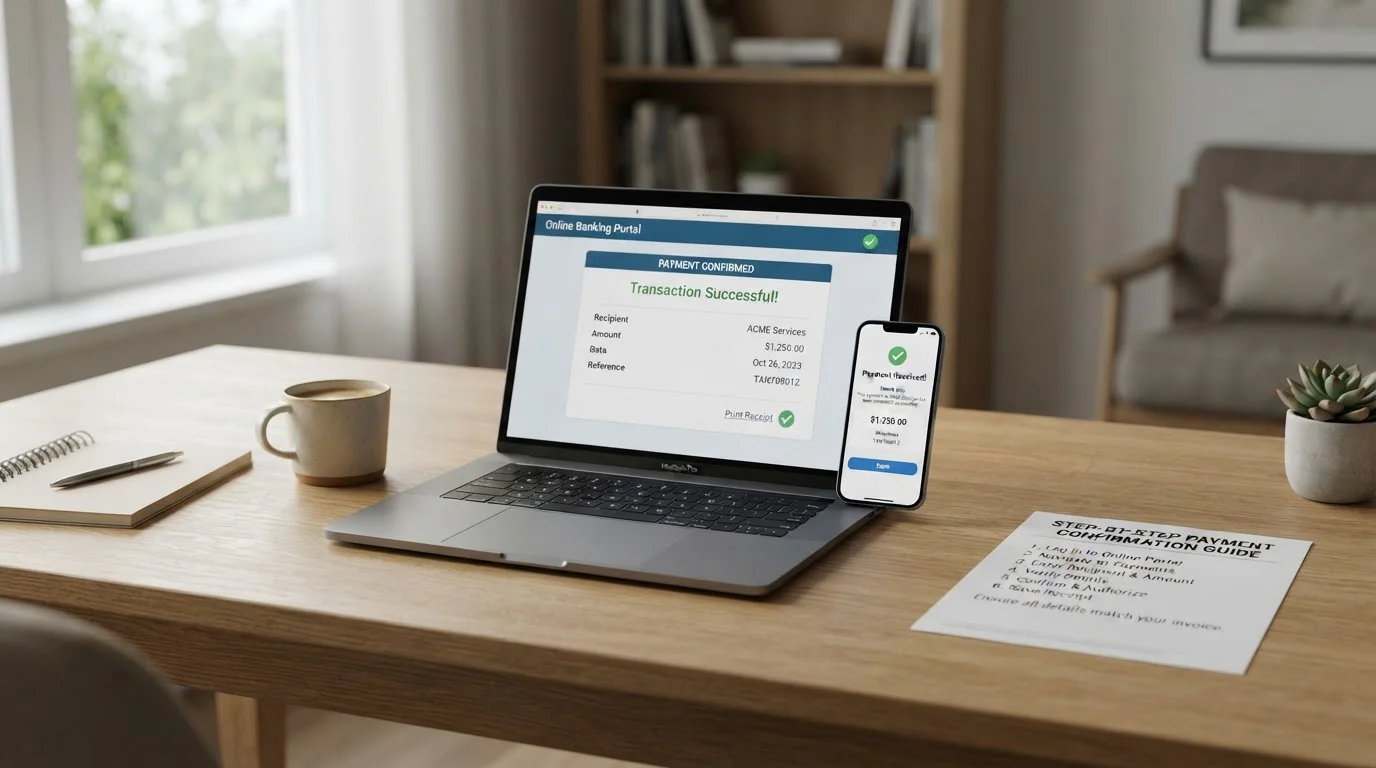
The mechanics of e-wallet deposits and withdrawals at UK casinos are standardized enough that learning one teaches you all of them. This section covers the six-step deposit flow, four-stage withdrawal process, and expected timing for each method.
How to Deposit with PayPal, Skrill, or Neteller
Log into your UKGC-licensed casino account. Navigate to the cashier or banking section. Select your e-wallet (PayPal, Skrill, Neteller, or Payz) from the deposit-method dropdown. Enter the amount you want to deposit—minimums are typically £10, maximums range from £1,000 to £10,000 per transaction depending on operator and your account status. Click confirm. The casino redirects you to the e-wallet’s authentication page. Log into your PayPal, Skrill, or Neteller account. Review the transaction details (recipient, amount, currency). Confirm with two-factor authentication if enabled (most e-wallets require 2FA for gambling transactions under UKGC rules). The e-wallet debits your balance and sends confirmation to the casino. You’re redirected back to the casino with funds in your account. Total elapsed time: 30 seconds to 2 minutes.
If your e-wallet balance is insufficient, you’ll need to top it up first. PayPal lets you add funds via linked bank account (Faster Payments, instant during banking hours) or debit card (instant but may incur a small fee). Skrill and Neteller support bank transfers, debit cards, and alternative top-up methods (local options vary by country). Payz funds via bank transfer, debit card, or other Payz users. All three block credit cards for gambling-related top-ups under UK regulations—if your card is coded as credit, the transaction will fail.
Trustly skips the e-wallet step entirely. Select Trustly (or "Pay by Bank") at the casino cashier, enter the amount, confirm. You’re redirected to Trustly’s bank-selection screen. Choose your UK bank from the list. You’re redirected to your bank’s login page (not a Trustly page—this is your actual bank’s website or app). Log in using your normal credentials. Approve the payment via your bank’s interface. Trustly sends confirmation to the casino. You’re redirected back with funds in your account. Your bank account is debited immediately via Faster Payments. Total time: 1 to 3 minutes.
Apple Pay and Google Pay are fastest. Open the casino cashier on your phone. Select Apple Pay or Google Pay. Enter the amount. A payment sheet appears showing the casino name, amount, and which card will be charged. Authenticate with Face ID, Touch ID, or fingerprint. Approve. Done. The casino receives a tokenized payment confirmation, and your balance updates instantly. No redirect, no login, no typing. Total time: 15 to 30 seconds.
How to Withdraw to Your E-Wallet
Request a withdrawal from the casino cashier. Select your e-wallet as the payout method—the same one you deposited with. Enter the amount (minimum £10 at most operators, maximum varies by operator and your account status). Confirm. The casino places the withdrawal into a pending queue. If this is your first withdrawal or you’ve deposited more than £150 in the past 30 days (UKGC’s vulnerability-check threshold), the casino’s compliance team reviews your account before approving the payout. That review includes identity verification (passport or driving license), address verification (utility bill or bank statement), and sometimes source-of-funds documentation (payslips, bank statements showing income).
Once compliance approves, the casino releases the funds to your e-wallet provider. PayPal, Skrill, Neteller, or Payz receives the payout instruction and credits your e-wallet balance within minutes to hours. You receive a notification from the e-wallet. From there, you can keep the funds in the e-wallet for future casino deposits or transfer to your UK bank account. Bank transfers from e-wallets to your account are typically free and clear via Faster Payments within minutes to 24 hours. PayPal charges no withdrawal fee to UK banks. Skrill, Neteller, and Payz charge flat fees (£1 to £5) depending on your VIP tier.
Trustly withdrawals return to your bank account directly—no intermediate wallet balance. The casino releases the payout to Trustly, Trustly credits your bank via the same open-banking channel you deposited from, and you see the funds in your account within hours (same-day during UK banking hours, next business day if requested late). No Trustly login required—the payout just appears as a bank deposit from the casino via Trustly’s payment-processor identity.
Expected Processing Times
The four-stage withdrawal timeline: (1) casino review (0 to 48 hours, usually under 24), (2) release to payment provider (instant once approved), (3) credit to e-wallet balance (minutes), (4) optional bank transfer (minutes to 24 hours if you move funds out of the e-wallet). PayPal withdrawals clock in at 1 to 24 hours end-to-end once approved. Skrill and Neteller are 4 to 48 hours. Payz is 2 to 24 hours. Trustly is same-day to 24 hours with no intermediate step. Debit cards (for comparison) take 1 to 3 business days after approval. Bank transfers take 2 to 5 business days.
The fastest recorded e-wallet withdrawal at a UK operator was 52 minutes (PayPal, April 2026 test). The fastest Trustly withdrawal was 15 minutes (casino to bank account). Those are best-case times with pre-verified accounts and instant compliance approval. Typical experience for a regular player: request withdrawal in the evening, casino approves overnight or next morning, funds in e-wallet by lunchtime, bank transfer from e-wallet (if desired) completes by end of day. Total: 12 to 30 hours from request to cash in hand.
Can I withdraw my casino winnings to PayPal or Skrill?
Yes, if you deposited via PayPal or Skrill. UK casinos typically require you to withdraw using the same method you deposited with. Withdrawals to PayPal process in 1 to 24 hours after casino approval. Skrill withdrawals clear in 4 to 48 hours. Both are faster than debit cards (1-3 business days) or bank transfers (2-5 days).
Are there any fees for depositing with e-wallets at UK casinos?
No. UKGC-licensed casinos charge zero fees for e-wallet deposits. PayPal, Skrill, Neteller, Payz, Trustly, Apple Pay, and Google Pay all deposit for free at the casino level. E-wallets may charge fees when you top up your wallet (Skrill and Neteller charge small percentages on card top-ups) or withdraw from the casino to your wallet (Skrill, Neteller, and Payz charge flat fees depending on your VIP tier; PayPal and Trustly charge nothing). Currency conversion fees apply if your wallet and the casino transact in different currencies.
E-Wallet Bonuses: Do PayPal and Skrill Deposits Qualify?
Welcome bonuses at UK online casinos commonly exclude e-wallet deposits from eligibility. If you fund your first deposit via Skrill, Neteller, or Payz, many operators will not credit the deposit-match bonus or free spins that a debit-card deposit would have triggered. PayPal sits in a gray zone—some casinos treat it like a debit card (eligible), others lump it with gambling-focused e-wallets (excluded). Trustly, Apple Pay, and Google Pay usually qualify because they’re bank- or card-backed rather than e-wallet accounts. Paysafecard typically qualifies because it’s prepaid, not an e-wallet.
The exclusion pattern originated in the 2010s when bonus hunters would deposit via e-wallet at one casino, clear wagering requirements, withdraw, then repeat at another site using the same e-wallet balance. Because e-wallets let you move funds between casinos without touching your bank account, the churn rate was higher than with card deposits. Operators responded by excluding e-wallets from welcome bonuses to reduce acquisition costs. The January 2026 UKGC rule capping casino bonus wagering at 10x maximum theoretically reduces the abuse incentive (lower wagering means faster churn regardless of payment method), but the e-wallet exclusion persists as legacy policy at many operators.
Specific examples from 2026 UK operators: Sky Vegas allows PayPal deposits to qualify for its no-wagering free spins bonus. Casumo excludes Skrill, Neteller, and Payz from deposit-match offers but allows debit cards and PayPal. Betway lists Skrill and Neteller as excluded, PayPal as eligible. Grosvenor excludes all e-wallets including PayPal from welcome bonuses. 10Bet excludes Skrill, Neteller, and Payz; allows debit cards and bank transfers. The inconsistency means you must check the bonus terms and conditions before depositing if a welcome offer factors into your decision.
If you’re choosing between two otherwise-equal casinos and one excludes your preferred e-wallet from bonuses while the other doesn’t, the math is straightforward: pick the one that lets you claim the bonus. If you don’t care about bonuses (many regular players don’t—they’d rather have fast withdrawals than rollover requirements), use whichever payment method offers the best withdrawal speed and fee structure. Skrill’s VIP tiers, for instance, can save regular players more in withdrawal fees over a year than a single £50 welcome bonus would deliver in expected value after wagering.
The regulatory context: the April 2020 credit card ban formalized what was already informal policy at most UK operators. Credit-card-funded e-wallet deposits were blocked simultaneously—if you top up your Skrill balance with a credit card, you cannot use that balance to deposit at a UKGC-licensed casino. The e-wallet checks the funding source and rejects the transaction. This rule closed a loophole where players would fund e-wallets with credit, then deposit at casinos claiming "it’s not a credit card, it’s an e-wallet." The UKGC’s stance is that the liability chain matters, not the immediate payment instrument. If credit underwrites the funds at any point, the deposit is forbidden.
The broader UKGC affordability framework (£150 aggregate 30-day deposit threshold triggers enhanced checks) applies regardless of payment method. Deposit £200 in a month via PayPal, and the casino will ask for payslips or bank statements proving you can afford that spend level. The check is payment-method-agnostic—e-wallets, debit cards, bank transfers, mobile wallets all count toward the £150 aggregate. The rule is designed to catch problem gambling early, and e-wallets’ convenience (quick repeat deposits) makes them a focus area for compliance teams.
Do e-wallets like PayPal and Skrill qualify for casino welcome bonuses?
It depends on the casino. Many UK operators exclude Skrill, Neteller, and Payz from welcome bonuses to prevent bonus abuse. PayPal is a gray area—some casinos treat it as eligible, others exclude it. Trustly, Apple Pay, Google Pay, and Paysafecard usually qualify. Always check the bonus terms and conditions before depositing. The exclusion is stated in the fine print under "Payment methods excluded from this promotion."
UK Gambling Commission Rules for Casino Payments

The UK Gambling Commission regulates all payment methods accepted at licensed online casinos through Licence Conditions and Codes of Practice (LCCP). The most impactful rules for players choosing payment methods in 2026 are the April 2020 credit card ban, mandatory affordability checks at £150 aggregate deposits, and source-of-funds verification before large withdrawals.
Credit Card Ban (April 2020)
LCCP Condition 5.1 prohibits all credit card deposits and withdrawals at UK-licensed casinos, effective 14 April 2020. The ban applies to Visa credit, Mastercard credit, Amex, Diners, and any other credit-based card product. The prohibition extends to e-wallets funded by credit cards: if you top up your Skrill, Neteller, or PayPal balance using a credit card, you cannot use that balance to deposit at a UKGC-licensed casino. The e-wallet checks the funding source and blocks the transaction at the casino’s request.
The rule exists to prevent gambling on borrowed money. The UKGC’s research showed that problem gamblers were disproportionately likely to fund casino play with credit, accumulating debts they couldn’t service. Banning credit cards doesn’t eliminate gambling debt (players can still borrow from other sources), but it removes the instant-approval, high-limit convenience of credit-based deposits. Debit cards, bank transfers, e-wallets funded by debit sources, prepaid cards, and open-banking methods remain legal because they draw on funds the player already has.
Practical impact: if you’re used to funding PayPal with a credit card for retail purchases, that same PayPal balance is unusable at UK casinos unless you also fund it separately via bank transfer or debit card for gambling transactions. Some players maintain two PayPal balances mentally (credit-funded for shopping, bank-funded for casinos), but the platform doesn’t segregate sources. The safest approach is to fund any e-wallet used for UK casino play exclusively from debit cards or bank transfers.
UKGC License Verification
Every UKGC-licensed casino displays its license number in the footer of its website. The format is a five- or six-digit number followed by the license type (e.g., "License number 39028, Remote Casino"). You can verify any operator’s license status at gamblingcommission.gov.uk/public-register/businesses. Enter the operator name or license number. The register shows the license holder’s legal entity, registered address, license types (remote casino, remote betting, etc.), and current status (active, suspended, revoked). If an operator claims to be UK-licensed but doesn’t appear in the register, it’s unlicensed and illegal for UK players.
The register also lists trading names and domains. Some operators run multiple casino brands under one license—for example, Rank Group’s license covers both Grosvenor Casino and Mecca Bingo online. The legal entity (Rank Digital Gaming Limited) holds the license; the brands are trading names under that entity. When verifying a casino, match the domain in your browser to the domains listed on the license record. If there’s a mismatch, the site may be a clone or phishing attempt.
How to Check a Casino Is Safe
Beyond the UKGC license check, four additional safety markers: (1) The casino’s payment processor appears in the cashier. Legitimate operators display logos for Worldpay, Checkout.com, or other PCI DSS Level 1 certified processors. (2) SSL encryption is active—look for the padlock icon in your browser’s address bar and "https" in the URL. (3) The casino publishes its responsible-gambling tools prominently: deposit limits, reality checks, self-exclusion links, GamStop integration. (4) Customer support responds within 24 hours to email inquiries. If you can’t get a reply or the chat is offshore staff reading scripts without UK gambling knowledge, that’s a red flag.
Payment-method diversity is also a signal. A casino offering PayPal, Skrill, Trustly, and major debit cards went through KYC and compliance vetting with those payment providers. A casino accepting only obscure crypto wallets or shady e-money institutions is telling you it couldn’t secure relationships with tier-one processors. Legitimate operators want mainstream payment methods because they reduce chargeback risk and compliance overhead. Dodgy operators settle for whatever payment rail will accept them.
Offshore Casinos and ClickandBuy: What You Need to Know
Many searches ask about non-GamStop casinos—UK players searching for offshore operators that accept ClickandBuy. The reality: ClickandBuy shut down in 2016, so no offshore casino accepts it in 2026 any more than UK-licensed operators do. But the broader question—whether offshore casinos offer different payment methods than UKGC-licensed sites—deserves an honest answer.
Offshore casinos (Curaçao-licensed, Malta-licensed pre-UKGC-withdrawal, no-license operations) sometimes accept payment methods banned in the UK. Credit cards are common at offshore sites because they’re not bound by LCCP Condition 5.1. Cryptocurrency deposits (Bitcoin, Ethereum, Tether) are standard because offshore operators target international markets where crypto use is higher. Some offshore casinos partner with obscure e-wallets that UKGC operators won’t touch due to compliance risk. The payment-method variety looks wider at first glance.
The catch is lack of UK regulatory protection. UKGC-licensed operators must segregate player funds, submit to annual audits, provide fair-play RNG testing, honor self-exclusion requests, and comply with advertising standards. Offshore operators registered in Curaçao or operating without a license face none of those obligations. If an offshore casino refuses to pay out your winnings, you have no recourse. The UKGC can’t sanction them. The UK courts have limited jurisdiction. Your credit card’s chargeback protection may not cover gambling transactions. You’re gambling with the casino’s integrity as much as the RNG’s fairness.
Non-GamStop is the specific offshore niche targeting UK players who’ve self-excluded via GamStop (the UK’s national self-exclusion scheme). If you register with GamStop, every UKGC-licensed casino blocks your access. Offshore casinos aren’t connected to GamStop, so technically you can play there. The ethical and practical problems are obvious: self-exclusion exists to help problem gamblers avoid relapse, and offshore casinos profit by circumventing that protection. They also don’t enforce UK stake limits (£5 per spin), deposit limits, or affordability checks. A player who self-excluded because they couldn’t control their spending will find zero guardrails at an offshore operator.
Payment methods at offshore casinos reflect their regulatory arbitrage. Visa and Mastercard ban gambling transactions to unlicensed operators, but some offshore sites slip through using vague merchant codes. Crypto bypasses card-network rules entirely. Obscure e-wallets and prepaid vouchers marketed in affiliate forums serve the offshore sector. None of these methods replicate ClickandBuy’s specific feature set (the credit line is long gone regardless of jurisdiction), so if you’re searching "offshore casinos accepting ClickandBuy," you’re searching for a service that doesn’t exist at sites you shouldn’t trust.
The UKGC’s official stance: playing at offshore casinos while residing in the UK is illegal under the Gambling Act 2005 if the operator lacks a UKGC remote operating license. Enforcement targets operators, not players—UK police don’t prosecute individuals for depositing at offshore sites. But you lose all regulatory protections: no ADR (alternative dispute resolution) access, no fairness guarantees, no fund segregation. If the site vanishes overnight with your balance, you’re out the money. For the sake of a slightly different payment-method menu, the risk is absurd.
If you’re unhappy with UKGC operators’ payment-method offerings (no credit cards, e-wallets often excluded from bonuses, affordability checks at £150 aggregate deposits), that’s a legitimate frustration. The solution isn’t offshore casinos—it’s choosing the best UKGC-licensed operator and payment method for your situation. PayPal, Skrill, Trustly, and debit cards cover 95% of use cases. The 5% edge-case scenarios (you’re unbanked, you want full anonymity, you need instant credit-line access) either don’t have safe solutions in the UK gambling market anymore, or they require alternative approaches (prepaid debit cards for unbanked players, crypto wallets outside UK-regulated casinos for anonymity, personal loans for credit needs—all of which are separate conversations with separate risks).
Mobile Casino Payments: Apple Pay and Google Pay

Mobile wallets consolidate the fastest deposit method (instant), strongest authentication (biometric), and least friction (no new account, no typing card numbers) into a single tap. If you play on your phone, Apple Pay or Google Pay beats every alternative for getting funds into your casino account. The limitation is deposit-only functionality—you can’t withdraw to them, and not every UKGC operator supports mobile wallets yet.
Apple Pay requires an iPhone, iPad, or Apple Watch running a recent iOS or watchOS version. Add a UK-issued debit card (Visa, Mastercard, or Maestro) to your Wallet app. When you deposit at a casino that supports Apple Pay, select it from the cashier, approve the amount via Face ID or Touch ID, done. The casino receives a tokenized payment confirmation but never sees your 16-digit card number—Apple generates a single-use Device Account Number for each transaction, which gets passed to the casino’s payment processor. Your real card details stay in Secure Element, a hardware-isolated chip in your device that even Apple can’t access remotely.
Google Pay works identically on Android devices with NFC (near-field communication) capability. Add a UK debit card to Google Pay via the app, then approve casino deposits with your fingerprint or device PIN. The tokenization is identical to Apple Pay—your actual card number is replaced with a transaction-specific token, so the casino only sees "Visa Debit ending in 1234 via Google Pay," not your full PAN. Both systems are PCI DSS compliant by design because the casino’s environment never touches your card details.
The appeal for UK casino players in 2026 is speed and security stacked on top of convenience. Deposits land instantly (you’re credited within seconds). You authenticate with biometrics rather than passwords, reducing phishing risk. You don’t need to remember a PayPal login or manage a Skrill balance. The debit card you already use for Tesco and Uber also funds your casino account with two taps. Minimum deposits are £5 to £10. Maximums are £3,000 to £10,000 per transaction, tied to your debit card’s issuer limits rather than Apple or Google’s platform rules.
The catch: withdrawals don’t work. When you request a payout, the casino can’t send it "back to Apple Pay" because Apple Pay isn’t a balance-holding service—it’s a tokenization layer over your debit card. The casino sends the withdrawal to your debit card via standard card rails, which takes 1 to 3 business days and doesn’t involve Apple or Google at all. For a casual player making one deposit every few weeks and only cashing out occasionally, that’s fine. For a regular player who deposits and withdraws multiple times per week, the asymmetry (instant deposits, multi-day withdrawals) is annoying enough that Skrill or Neteller becomes more practical.
Bonus eligibility generally favors mobile wallets. Most UK casinos treat Apple Pay and Google Pay deposits as debit card transactions (which they are, just tokenized), so welcome bonuses and promotions apply. E-wallet exclusions don’t typically extend to mobile wallets. Always check the specific casino’s terms, but the default assumption is "mobile wallet = eligible" while "e-wallet = excluded" for bonus purposes.
Operator acceptance is growing but not universal. Around 30 to 50 UKGC-licensed casinos support Apple Pay or Google Pay as of 2026. Larger brands (Betway, 888, William Hill, BoyleSports, Highbet, Casumo) integrate mobile wallets early because their payment processors support tokenization at scale. Smaller or older casinos may lack the backend infrastructure for NFC payments or haven’t prioritized the feature due to development cost. If mobile deposit is a must-have, check the casino’s cashier page before registering—the payment methods list is usually public.
Can I use Apple Pay or Google Pay at UK online casinos?
Yes, if the casino supports mobile wallets. Around 30 to 50 UKGC-licensed operators accept Apple Pay or Google Pay for instant deposits via your phone. You authenticate with Face ID, Touch ID, or fingerprint. Deposits are instant. Minimum is £5-£10. Withdrawals cannot go back to Apple Pay or Google Pay—they return to your original debit card via standard card rails (1-3 business days).
How does Trustly work and do I need an account?
Trustly uses open banking to connect your UK bank account directly to the casino. You don’t need a Trustly account. At the casino cashier, select Trustly (or "Pay by Bank"), choose your bank, log in via your bank’s own website or app, approve the payment. Trustly confirms it to the casino, your bank debits your account, funds appear instantly. Withdrawals return to the same bank account via Faster Payments. Zero fees. Same-day to 24-hour processing after casino approval.
Created by the ”Payments-casino-uk” editorial team.