Casino Sites That Accept Credit Card in the UK — Where They Work and What You’re Trading
 Available in GB
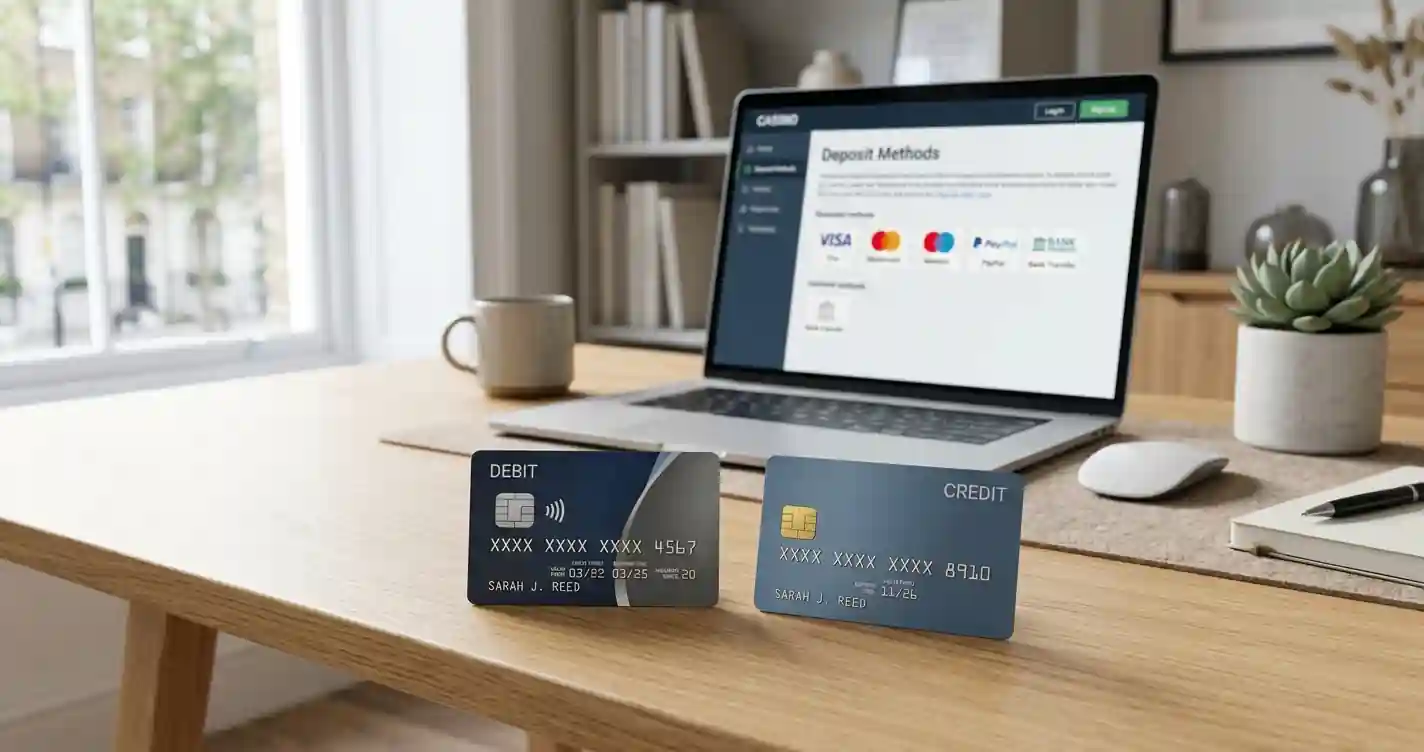
Credit cards vanished from UK-licensed casinos on April 14, 2020, when the Gambling Commission drew a line between regulated gambling and borrowed money. The industry adapted in hours. Players who wanted to keep using Visa or Mastercard had one route left: offshore operators licensed outside UK jurisdiction.
This creates a split market. UKGC-licensed sites offer consumer protection, dispute resolution through the Financial Ombudsman, and mandatory GAMSTOP enrollment, but zero credit card access. Offshore casinos licensed in Curaçao, Malta, or Anjouan still process credit card deposits from UK players, but they sit outside the regulatory safety net. You’re trading consumer rights for payment flexibility, and the trade matters more than most affiliate sites admit.
What follows is not a cheerleading session for offshore gambling. It’s a map of where credit cards still work in 2026, what the mechanics look like when your bank codes the transaction as MCC 7995, why Visa and Mastercard won’t let you withdraw back to the card you deposited from, and which UKGC-licensed alternatives exist if you’d rather stick with debit and keep the protection. Specifics, not hype.
Table of Contents
- Why UK-Licensed Casinos Don’t Accept Credit Cards
- Offshore Casinos That Accept Credit Cards from UK Players
- How to Deposit with a Credit Card at an Offshore Casino
- Practical Obstacles: Bank Blocks, Fees, and Withdrawal Restrictions
- UKGC-Licensed Alternatives: Debit Cards and E-Wallets
- Offshore vs UKGC-Licensed: What You Gain and What You Lose
- Credit Card Slots and Game Availability
- Non-GAMSTOP Credit Card Casinos
Why UK-Licensed Casinos Don’t Accept Credit Cards

The UKGC credit card ban isn’t a suggestion. It’s a hard regulatory line written into Licence Conditions and Codes of Practice section 5.1.2, and every operator holding a UK remote gambling licence falls under it. Violations risk licence suspension or revocation, so compliance is absolute. Betway, Casumo, Grosvenor, 888, LeoVegas, William Hill — none of them touch credit cards, and they won’t start.
The April 2020 Ban: What Changed
The Gambling Commission announced the ban in January 2020 and implemented it three months later on April 14. The rule prohibits all UKGC-licensed operators from accepting credit card payments for gambling, covering both direct credit card transactions and payments routed through money service businesses where the underlying funding source is a credit card. Visa and Mastercard credit cards fell under the ban. Debit cards stayed legal.
Great Britain became the first country to implement a comprehensive credit card gambling prohibition. The regulation applies to remote (online) and non-remote (land-based) gambling: casinos, sports betting, poker, bingo, the lot. Enforcement isn’t theoretical. Operators that breach the rule face escalating sanctions up to and including licence revocation, and the UKGC has shown zero tolerance for payment compliance failures since 2020.
Why the UKGC Banned Credit Cards
The Commission’s stated rationale was harm reduction. Gambling on borrowed money creates a debt spiral mechanism: losses accumulate on the credit card balance, interest compounds from day one if the issuer codes the transaction as a cash advance, and the player faces twin pressure from gambling losses and mounting card debt simultaneously. The UKGC cited evidence linking credit card gambling to problem gambling behaviours and financial distress, particularly among vulnerable groups already carrying credit card debt.
Critics called it paternalistic. Defenders pointed to the NatCen Social Research evaluation published in July 2024, which found the ban reduced credit card gambling among problem gamblers but noted a segment of users switched to unregulated offshore sites instead. The Commission judged the trade-off acceptable: better some players move offshore than all players gamble on credit within the regulated market.
What the Ban Covers (and What It Doesn’t)
The prohibition is narrow but absolute. Credit cards: banned. Debit cards: fully legal at UKGC sites, no restrictions. E-wallets like PayPal, Skrill, and Neteller: legal, even if the e-wallet was itself funded by a credit card, because the operator never directly processes the card. Bank transfers, Apple Pay linked to a debit card, prepaid cards like Paysafecard, crypto (where the operator supports it): all permitted.
The rule closes one common workaround: you cannot deposit to an e-wallet via credit card and then deposit from that e-wallet to a UKGC casino if the operator has reason to know the underlying source is credit. In practice, enforcement here is sparse because operators see the e-wallet as the source, but the rule exists to prevent circumvention. Cash advance merchant category codes (MCC 7995) make credit card gambling visible to issuers regardless of the intermediate route, so UK banks often block the transaction upstream before it reaches the operator.
Can I use a credit card at online casinos in the UK?
Not at UK-licensed casinos. The UKGC banned credit cards in April 2020, and the rule has no exceptions. Debit cards work everywhere UKGC-licensed operators accept payments. If you want to use a credit card for online gambling, you’re looking at offshore casinos licensed outside UK jurisdiction, typically in Curaçao, Malta, or Anjouan.
Why are credit cards banned at UK-licensed casinos?
The UKGC banned credit cards to reduce gambling-related financial harm, specifically the risk of players accumulating debt by gambling on borrowed money. The ban aimed to break the link between gambling losses and spiralling credit card debt, which disproportionately affects problem gamblers. The rule has been in place since April 14, 2020, and no reversal is anticipated.
Offshore Casinos That Accept Credit Cards from UK Players
Offshore operators licensed outside the UK still accept Visa and Mastercard from British players. These sites hold licences from Curaçao eGaming, the Malta Gaming Authority, the Anjouan Offshore Finance Authority, or similar jurisdictions that don’t prohibit credit card gambling. They sit outside UK Gambling Commission oversight, which means no GAMSTOP enrollment, no UKGC complaint procedures, and no Financial Ombudsman Service coverage. The payment flexibility comes with a regulatory trade-off.
The operators below were verified across multiple independent sources as accepting credit card deposits from UK players in 2026. Licensing, game counts, and withdrawal speeds are drawn from operator T&Cs, affiliate disclosures, and public licence registers. Where licensing claims conflict across sources, the ambiguity is flagged.
| Operator | License | Min Deposit | Withdrawal Speed | Distinguishing Feature | |—|—|—|—| | Stake | Curaçao eGaming | Varies by method | Crypto: 0–1 hour | Crypto-first, UFC/Everton sponsorships, Stake Originals | | BC.Game | Anjouan + Curaçao | Varies by method | Crypto: instant–24h | 8,000+ games, 30+ cryptos, provably fair | | MyStake | Curaçao (OGL/2023/1561/0869) | £10–£20 | Standard 1–5 days | Mobile-first, 5,000+ Discord community | | Donbet | Mixed claims (verify) | £10–£20 | 24–48 hours | Launched 2023, PayPal confirmed | | Lucki Casino | Curaçao (8048/JAZ) | £20 | Crypto instant–48h | UK restriction in T&Cs (grey market) | | Kaasino | Conflicting (verify) | £10 | Standard 1–3 days | Launched 2024, 10,000+ games | | Rolletto | Curaçao (OGL/2024/1798/1048) | £20 | Standard 1–5 days | Santeda white-label, 4,000+ games | | 7Bit Casino | Curaçao Gaming Control Board | €10 | Crypto 0–12 hours | Launched 2014, 15% weekly cashback |
Stake
Stake.com launched in 2017 under Medium Rare N.V. and holds a Curaçao eGaming licence. It started as a crypto-first casino and expanded into fiat payments including Visa and Mastercard credit cards, though crypto remains the platform’s core identity. The operator processes over $2 billion in annual wagers, most of it crypto-denominated, and runs high-profile sponsorships including UFC and Everton FC through 2026. The site accepts UK players but operates outside UKGC jurisdiction, meaning no GAMSTOP enrollment and no UK complaint procedures.
The game library sits above 5,000 titles covering slots, live casino, table games, and Stake Originals — proprietary crash, dice, and plinko games built in-house. Deposits land instantly across payment methods. Crypto withdrawals typically process within one hour, sometimes faster for Bitcoin and Ethereum when network congestion is low. The VIP programme targets high rollers with cashback tiers and dedicated account managers. Stake’s regulatory profile is clean within its Curaçao jurisdiction, but UK players lose access to Financial Ombudsman dispute resolution and UKGC-mandated segregated player funds. If something goes wrong, you’re working through Curaçao eGaming’s complaint process, not UK regulators.
BC.Game
BC.Game operates under BlockDance B.V. with dual licensing from the Anjouan Offshore Finance Authority and Curaçao eGaming. The site launched in 2017 and built its reputation on crypto gambling, offering Bitcoin, Ethereum, USDT, BNB, and over 30 other digital currencies. Credit card acceptance is region-dependent and less prominent than the crypto stack, so UK players should verify Visa/Mastercard availability at the cashier before registering. Some affiliate sources list BC.Game as a credit card casino for UK players; the operator’s own payment page leans heavily toward crypto as the primary deposit method.
The platform carries 8,000+ games from over 100 providers, including Evolution live casino, Pragmatic Play slots, and provably fair originals. The welcome bonus reaches 360% across four deposits for crypto users, with lower percentages for fiat. Withdrawals process near-instantly for cryptocurrency (blockchain confirmation times permitting), while card and e-wallet payouts follow standard timelines of 1–5 days. BC.Game maintains Android and iOS apps and 24/7 live chat support. The site has strong traction in Asian markets. UK players face the same regulatory gap as with any non-UKGC operator: no local consumer protection, no GAMSTOP, no ombudsman access.
MyStake
MyStake.com is a Santeda International B.V. operation running under Curaçao Gaming Authority licence OGL/2023/1561/0869. The site launched in 2020, positioning itself as a mobile-first casino and sportsbook hybrid. Santeda operates multiple white-label brands under the same Curaçao sublicense, so MyStake shares backend infrastructure, T&Cs, and dispute procedures with sibling sites like Rolletto. This concentration is rarely disclosed in affiliate reviews, but it matters: a complaint against MyStake is a complaint against Santeda, and the resolution path is identical across the operator’s brand portfolio.
MyStake accepts Visa and Mastercard credit cards alongside e-wallets and crypto. The welcome package stretches to £1,800 plus 200 free spins across four deposits, with a 50x wagering requirement on matched bonus funds. The minimum deposit sits between £10 and £20 depending on payment method. The game library holds 4,000+ titles from established providers, and the sportsbook covers 30+ sports disciplines. One distinctive feature: a 5,000+ member Discord community where players discuss strategy, bonuses, and big wins, giving the platform a more interactive social layer than most offshore casinos offer. UK players get GBP wallet support, but they lose UKGC consumer safeguards. Withdrawal processing runs 1–5 days for cards and e-wallets, faster for crypto.
Donbet
Donbet launched in 2023 and immediately ran into licensing ambiguity. Some affiliate sources position Donbet as a UKGC-licensed operator that does not accept credit cards in compliance with UK rules, citing debit cards, PayPal, Apple Pay, and Paysafecard as the payment stack. Other sources list Donbet as one of five shortlisted offshore credit card casinos for UK players. The conflict suggests either two separate brands with similar names, or a mid-2023 licensing change that hasn’t propagated consistently across review sites.
The safest read: verify Donbet’s current licence status and payment methods directly at the cashier before depositing. If the site holds a UKGC licence, credit cards are off the table by regulation, and any affiliate claim otherwise is outdated. If the site operates offshore under a Curaçao or similar licence, credit cards may be accepted but UK consumer protections vanish. The game offering includes 3,000+ titles from Pragmatic Play, Evolution, NetEnt, and Play’n GO. The welcome package is 150% up to £750 plus 50 free spins. Confirmed payment methods across sources include PayPal, debit cards, Apple Pay, Paysafecard, and crypto. The sportsbook is integrated. Customer support runs 24/7 via live chat. Minimum deposit sits around £10–£20. Withdrawal processing is quoted at 24–48 hours for e-wallets, longer for cards. Approach this operator with due diligence on the licence question.
Lucki Casino
Lucki Casino (lucki.casino / lucki9.casino) operates under Curaçao eGaming licence 8048/JAZ and offers a 450% welcome bonus up to £5,000 plus 20% cashback, one of the highest headline bonus figures in the offshore market. The operator’s Terms and Conditions list the United Kingdom as a restricted jurisdiction, which creates a grey-market contradiction: some affiliate sources recommend Lucki to UK players, while the site’s own T&Cs technically exclude UK registration. This discrepancy isn’t rare in the offshore space, where enforcement of geo-restrictions is inconsistent and driven more by payment processor risk appetite than legal constraints.
The game library exceeds 4,800 titles spanning slots, live casino, and crash games. Lucki is crypto-friendly, accepting Bitcoin, Ethereum, and USDT alongside traditional payment methods. The 25x wagering requirement on bonuses is lower than industry average for offshore casinos, and the £20 minimum deposit is standard. Crypto withdrawals process from instant to 48 hours depending on blockchain congestion, while card and e-wallet payouts take 1–5 days where network rules permit. GBP wallet support is available despite the UK restriction in T&Cs, which signals the operator serves UK players in practice while maintaining the restriction as a legal backstop. Players should understand that a dispute with Lucki will be resolved under Curaçao eGaming procedures, not UK law, and the UK restriction in T&Cs could be invoked selectively if a complaint escalates. Proceed with that risk in mind.
Kaasino
Kaasino launched in 2024 and immediately generated licensing confusion. One source (kaas1no-uk.com) claims Kaasino holds a UKGC licence and states credit cards are not accepted in line with UK regulations, positioning the site as a fully UK-compliant operator. Another source (kaasino.uk) describes Kaasino as a crypto-friendly offshore platform that accepts Visa and Mastercard. The conflict suggests either a brand name collision (two operators using similar names), or incomplete data propagation following a licensing change during Kaasino’s first year.
The details that remain consistent: Kaasino offers 10,000+ games from over 70 providers including Pragmatic Play, Evolution, and NetEnt, one of the largest catalogues in the offshore market. The welcome package reaches 225% up to £2,500 plus 500 free spins spread across the first three deposits. The site supports both fiat (Visa, Mastercard, bank transfers) and crypto (Bitcoin, Ethereum), depending on which licensing model applies. Minimum deposit is £10. The platform is mobile-optimised, runs 24/7 live chat, and hosts over 500 jackpot games with maximum wins exceeding €1 million. Weekly tournaments are a recurring promotional feature. For UK players, the critical step is verifying Kaasino’s actual licence status at registration: if it holds a UKGC licence, credit cards are banned and the site offers robust UK consumer protection. If offshore-licensed, credit cards may work but regulatory safeguards disappear. Do not rely on affiliate claims alone; check the site footer and UKGC register directly.
Rolletto
Rolletto.com is another Santeda International B.V. white-label, operating under Curaçao Gaming Authority licence OGL/2024/1798/1048. Like MyStake, Rolletto shares the same backend, T&Cs, and dispute procedures as other Santeda brands, though this operational reality is rarely surfaced in affiliate reviews that present each brand as distinct. The site launched in 2020 and runs on the Upgaming platform, a common white-label infrastructure in the Curaçao offshore market.
Rolletto accepts fiat (Visa, Mastercard, bank transfer) and cryptocurrency (10 digital currencies), offering 35+ payment methods in total. The game library holds 4,000+ titles from 84 providers, and the sportsbook covers 30+ sports disciplines. Minimum deposit is £20, higher than some competitors. Welcome package structure and percentages vary by region, but the site consistently offers deposit bonuses and free spin bundles. Withdrawals follow standard offshore timelines: 1–5 days for cards and e-wallets, faster for crypto. The site is mobile-browser optimised with no dedicated app. Customer support is 24/7. UK players using Rolletto operate outside UKGC jurisdiction, meaning no GAMSTOP enrollment, no UKGC complaint channel, and no Financial Ombudsman coverage. The Santeda concentration means if you’re already using MyStake and considering Rolletto as a "second site," you’re not diversifying operators — you’re opening a second account with the same company under a different brand.
7Bit Casino
7Bit Casino has been operating since 2014 under Scores55 Tech B.V. with a licence from the Curaçao Gaming Control Board, making it one of the longest-running crypto casinos still serving UK players. The site started as a Bitcoin-first platform and has maintained that identity even as it added fiat payment options including Visa, Mastercard, Skrill, and Neteller. Bitcoin and Ethereum are treated as primary payment methods here, not bolt-ons, which shows in the crypto-centric welcome bonus: 325% up to 5.25 BTC plus 250 free spins for crypto depositors, or 300% up to €2,000 for fiat.
The game catalogue exceeds 4,000 titles covering slots, table games, and live dealer options. Provably fair games are a core feature, allowing players to verify RNG outcomes via cryptographic hashes. Weekly cashback sits at 15% on casino and live dealer losses, credited automatically every Monday without manual opt-in. Minimum deposit is €10 or 0.14 mBTC depending on payment method. Crypto withdrawals process in 0–12 hours, among the fastest in the offshore market. Card and e-wallet payouts take longer (1–5 days), and Visa/Mastercard withdrawal restrictions often force players to cash out via crypto or e-wallet even when the deposit came from a card. The site is mobile-browser optimised and maintains 24/7 live chat support. Ongoing promotions include Wednesday free spins and Monday reload bonuses, keeping the bonus flow active beyond the welcome package. UK players using 7Bit face the same offshore trade-off: no UKGC protection, no GAMSTOP, no ombudsman, but credit card access and higher bonus flexibility. The 10-year operational track record provides some reassurance on stability, but regulatory recourse remains limited to Curaçao eGaming’s complaint process.
Do offshore casinos accept Visa and Mastercard from UK players?
Yes. Offshore casinos licensed in Curaçao, Malta, Anjouan, and similar jurisdictions still accept Visa and Mastercard credit card deposits from UK players. These operators sit outside UK Gambling Commission jurisdiction, so the April 2020 credit card ban does not apply to them. Deposits are instant, but UK players lose UKGC consumer protection, GAMSTOP enrollment, and Financial Ombudsman dispute resolution when using these sites.
Is it legal for UK players to use offshore credit card casinos?
Yes. UK law prohibits UKGC-licensed operators from accepting credit cards, but it does not prohibit UK players from using offshore gambling sites. British players can legally deposit at Curaçao or MGA-licensed casinos that accept credit cards. The trade-off is consumer protection: offshore sites operate outside UKGC oversight, meaning no local dispute resolution, no GAMSTOP self-exclusion scheme, and no segregated player funds requirement.
How to Deposit with a Credit Card at an Offshore Casino
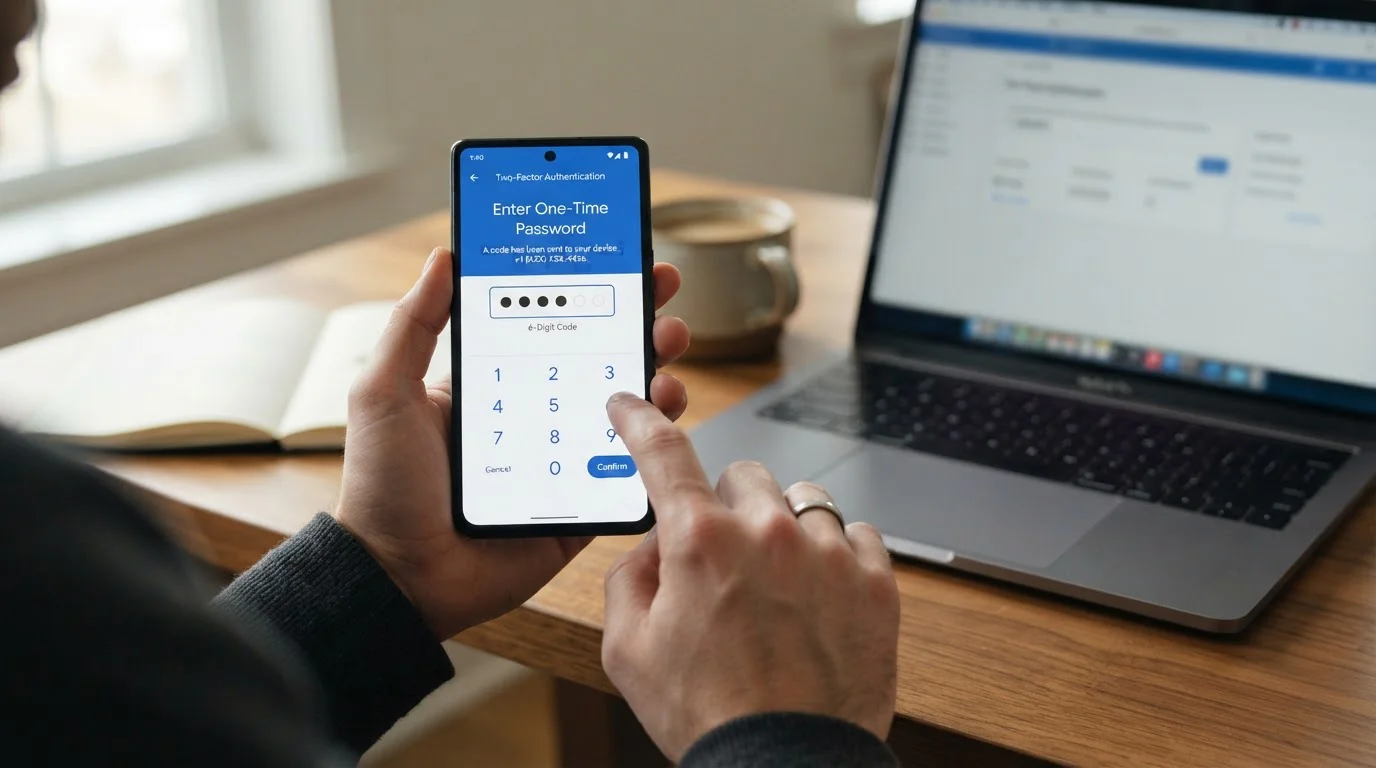
Depositing with a credit card at an offshore casino mirrors the process at any e-commerce checkout, with one critical difference: 3D Secure authentication is mandatory under PSD2 Strong Customer Authentication rules for UK and EU cardholders. Your issuer will prompt you to verify the transaction via SMS one-time password, biometric authentication in your banking app, or a push notification. Without completing this step, the payment fails.
Step-by-Step Deposit Process
Register an account with the offshore casino, providing your email, date of birth, and a password. Some operators ask for full KYC (Know Your Customer) documents at registration; others defer verification until your first withdrawal. Navigate to the cashier or deposit page, typically found in your account menu. Select "Credit Card" or "Visa/Mastercard" as the payment method. Enter your card number, expiry date, CVV security code, and cardholder name exactly as they appear on the card.
Choose your deposit amount. Minimum deposits range from £10 to £20 at most offshore operators, though some crypto-focused sites set fiat minimums higher. Check whether the site displays the amount in GBP or converts to EUR or USD at the payment processor’s exchange rate; currency conversion fees can add 2–3% to the transaction cost. Click "Deposit" or "Confirm." At this point, the payment processor routes you to the 3D Secure authentication screen hosted by your card issuer.
3D Secure Verification (Verified by Visa / Mastercard SecureCode)
3D Secure is the two-factor authentication layer required for remote card-not-present transactions under EU and UK regulation. Visa brands it "Verified by Visa," Mastercard calls it "Mastercard SecureCode," but the underlying protocol is the same. When you confirm the deposit, the merchant’s payment gateway sends an authentication request to your issuing bank. Your bank evaluates the transaction’s risk score based on factors like transaction amount, merchant category code (MCC 7995 for gambling), your spending history, and geographic location.
Low-risk transactions may be approved automatically with no user action required, a process called "frictionless authentication." Higher-risk transactions trigger a challenge: your bank sends a one-time password via SMS, displays a push notification in your mobile banking app, or asks you to complete biometric authentication (fingerprint, Face ID). You have a short window to respond, typically 90 seconds, before the session expires. Enter the OTP or confirm the notification, and the authentication completes. The payment gateway receives a success signal from your bank and processes the deposit. Funds appear in your casino account balance within seconds.
If 3D Secure fails — wrong OTP, timeout, or your bank declines the transaction for another reason — the deposit is refused and no money leaves your account. Some UK banks automatically decline all gambling transactions coded as MCC 7995, regardless of whether you’re using a credit or debit card, unless you’ve disabled the gambling block in your mobile banking app. More on that below.
Minimum and Maximum Deposit Limits
Offshore casinos typically set credit card deposit minimums between £10 and £20. A handful go as low as £5, but those are outliers. Maximums vary widely: some operators cap credit card deposits at £500 or £1,000 per transaction to manage chargeback risk, while others allow £5,000 or higher for established accounts. Your card issuer may impose its own limits. UK credit cards often carry daily cash advance limits separate from your overall credit limit, and if the issuer codes your gambling deposit as a cash advance (they usually do, under MCC 7995), that lower limit applies.
Crypto-focused offshore casinos sometimes set higher minimums for fiat deposits (£50–£100) to encourage players toward Bitcoin or Ethereum, where transaction fees and chargeback risk are lower for the operator. If you’re testing a new site with a small deposit, check the fiat minimum before registering; you may find the crypto route offers a lower entry threshold despite the added complexity of buying and transferring digital currency.
Practical Obstacles: Bank Blocks, Fees, and Withdrawal Restrictions

Credit card deposits to offshore casinos sound simple in theory. In practice, you’ll hit three obstacles that affiliate sites gloss over: UK banks increasingly block gambling transactions at the card level, your issuer codes the deposit as a cash advance with immediate interest accrual, and Visa/Mastercard network rules prevent the casino from paying your winnings back to the card. Each of these mechanics changes the real cost and convenience of credit card gambling.
Why UK Banks Block Gambling Transactions (and How to Disable the Block)
Since 2020, major UK banks have introduced opt-in gambling blocks on debit and credit cards as a harm-reduction tool. Nationwide, Lloyds Banking Group (including Halifax and Bank of Scotland), NatWest Group (including Royal Bank of Scotland and Ulster Bank), and Danske Bank UK all offer customers a toggle in their mobile banking apps to block transactions coded with merchant category code 7995 (gambling). When the block is active, any attempt to deposit at an online casino — UKGC-licensed or offshore, credit or debit — is declined by the issuer before the payment reaches the merchant.
The block is voluntary. You can enable it to prevent impulsive gambling, or disable it when you want to deposit. The catch: disabling the block triggers a mandatory cooling-off period before the change takes effect. Nationwide enforces a 72-hour (3-day) delay. NatWest and RBS require 48 hours. Danske Bank also uses a 48-hour window. During the cooling-off period, all gambling transactions remain blocked even though you’ve requested the change. This delay is intentional, designed to break the impulse loop between "I want to deposit" and "I just deposited."
If your credit card deposit to an offshore casino is declined with no explanation, and your banking app shows no pending transaction, check whether your bank has a gambling block feature and whether it’s currently active. The block operates silently: no warning at the merchant checkout, no notification from the bank, just a failed transaction. To disable it, log into your mobile banking app, navigate to card controls or spending controls, find the gambling block toggle, switch it off, and wait out the cooling-off period. Some banks let you disable the block via telephone banking, but the cooling-off period still applies.
One workaround: banks that don’t offer gambling blocks can’t block gambling transactions, unless they decline all MCC 7995 transactions as a blanket policy. Smaller issuers, credit unions, and some challenger banks have no gambling block feature, meaning your transactions go through unless the fraud detection system flags them. But the absence of a block doesn’t eliminate the cash advance fee problem.
Cash Advance Fees and MCC 7995 Classification
When you deposit at an online casino with a credit card, your issuer classifies the transaction using the merchant category code assigned by the payment processor. Gambling transactions are coded MCC 7995. Under Visa and Mastercard network rules, MCC 7995 transactions can be treated as cash advances rather than purchases, and most UK credit card issuers do exactly that. A cash advance triggers three separate charges: a flat fee (typically 3% of the transaction amount with a £3–£5 minimum), immediate interest accrual from the day the transaction posts (no grace period), and a higher APR than your card’s standard purchase rate (often 27.9% or more).
Here’s the cost in practice. You deposit £100 to an offshore casino via credit card. Your issuer codes it as a cash advance. The 3% fee adds £3, so £103 posts to your account. Interest begins accruing immediately at 27.9% APR, which translates to roughly 0.0765% per day. After 30 days, assuming you haven’t paid down the balance, accumulated interest reaches approximately £2.36 (calculated as £103 × 0.000765 × 30). Total cost after one month: £105.36. If you pay the full balance before the next statement, interest stops, but the £3 cash advance fee is not refunded. Compare that to a debit card deposit of £100: total cost £100.00, zero fees, zero interest.
The math worsens if you carry a balance. Credit card interest compounds daily. A £500 deposit coded as cash advance accrues roughly £11.80 in interest over 30 days, on top of a £15 cash advance fee. Stretch that to 60 days without payment and you’re looking at nearly £50 in fees and interest on a £500 deposit. This is the hidden cost competitor guides don’t quantify. They mention "cash advance fees may apply" in passing, but they never show you the compounding calculator.
Not every issuer codes gambling as a cash advance. A small minority of UK credit cards treat MCC 7995 as a standard purchase, applying the usual grace period and purchase APR. But this is the exception, not the rule, and issuers don’t advertise their MCC policies upfront. You discover the classification when the transaction posts and the fee appears. If you’re considering credit card deposits to offshore casinos as a regular habit, factor in 3–5% in cash advance fees plus accruing interest if you don’t pay the balance immediately. The convenience premium is steep.
Withdrawal Restrictions: Why You Can’t Always Get Paid Back to Your Card
You deposited with a Visa credit card. You won. You request a withdrawal, expecting the casino to refund the balance to the same card. The cashier rejects the withdrawal method and offers e-wallets or cryptocurrency instead. This isn’t the operator being difficult; it’s Visa and Mastercard network scheme rules blocking gambling-related refunds.
Visa and Mastercard classify gambling payouts as high-risk transactions prone to fraud and money laundering. Both networks restrict or prohibit merchants in certain high-risk MCCs, including 7995, from issuing refunds to credit cards, even when the original deposit came from that card. The policy is inconsistent: some acquirers in certain jurisdictions can process gambling refunds to debit cards but not credit cards. Others block refunds to both. The result is that most offshore casinos cannot pay your winnings back to your Visa or Mastercard credit card, regardless of the deposit method you used.
Instead, the casino’s cashier will prompt you to withdraw via e-wallet (Skrill, Neteller, sometimes PayPal), bank transfer, or cryptocurrency. If you don’t have an e-wallet account, you’ll need to create one, verify it with KYC documents, and link it to the casino before the withdrawal processes. This adds friction. E-wallet providers charge currency conversion fees if the casino holds your balance in EUR or USD and you withdraw to a GBP e-wallet. Bank transfer withdrawals can take 3–7 business days, slower than the 24-hour e-wallet timeline. Crypto withdrawals are fast (often under an hour) but require you to set up a wallet, understand blockchain basics, and accept exchange rate volatility between the time you request the withdrawal and the time you convert crypto back to GBP.
The withdrawal routing problem is the top competitor gap we identified at research stage. Affiliate sites say "withdrawals via alternative methods" as though it’s a minor detail. It’s not. If you deposit £500 via credit card, win £1,000, and want to cash out, you cannot withdraw £1,500 back to your credit card. You’ll withdraw £1,500 to Skrill (assuming you have an account), Skrill converts it from EUR to GBP (if the casino settled in EUR), Skrill charges a withdrawal fee to your UK bank account (typically 1–2%), and three days later the money arrives. The payout works, but the routing overhead and fees cut into your win. Know this going in.
| Bank | Block Type | How to Disable | Cooling-off Period |
|---|---|---|---|
| Nationwide | Opt-in gambling block (credit and debit) | Mobile banking app under Card Controls | 72 hours (3 days) |
| Lloyds / Halifax / Bank of Scotland | Opt-in gambling block (credit and debit) | Mobile banking app under Support & Wellbeing | 72 hours (3 days) |
| NatWest / RBS / Ulster Bank | Opt-in gambling block (credit and debit) | Mobile banking app under Card Controls or Spending Controls | 48 hours (2 days) |
| Danske Bank UK | Opt-in gambling block (debit) | Mobile banking app under Card Controls | 48 hours (2 days) |
Will my bank block my credit card deposit to an online casino?
Maybe. Major UK banks including Nationwide, Lloyds, NatWest, and Danske offer opt-in gambling blocks that decline all transactions coded MCC 7995 (gambling). If you’ve enabled this block, your deposit will be declined regardless of whether the casino is UKGC-licensed or offshore. You can disable the block in your mobile banking app, but a mandatory cooling-off period (48–72 hours depending on the bank) delays the change.
Do I have to pay fees when depositing with a credit card at a casino?
Usually, yes. Most UK credit card issuers classify gambling deposits (MCC 7995) as cash advances, triggering a 3% fee (minimum £3–£5) plus immediate interest accrual at your card’s cash advance APR (often 27.9% or higher). A £100 deposit costs roughly £105.36 after 30 days if you don’t pay the balance immediately. Debit cards have zero fees, making them a cheaper option at UKGC-licensed sites.
Can I withdraw my winnings back to my credit card?
Rarely. Visa and Mastercard network rules restrict gambling-related refunds to credit cards, even when your original deposit came from that card. Most offshore casinos cannot process withdrawals back to credit cards and will require you to use an e-wallet (Skrill, Neteller), bank transfer, or cryptocurrency. This adds withdrawal friction and may introduce currency conversion fees if the casino settled your balance in EUR or USD.
UKGC-Licensed Alternatives: Debit Cards and E-Wallets

Credit cards are banned at UK-licensed casinos, but payment options are far from sparse. Debit cards work universally, e-wallets like PayPal are widely accepted, and bank transfers via Trustly or Faster Payments settle deposits in minutes. These alternatives avoid cash advance fees, accrue no interest, and keep you inside the UK regulatory framework where consumer protections, GAMSTOP self-exclusion, and Financial Ombudsman dispute resolution all apply.
The three operators below are representative UKGC-licensed casinos covering the spectrum from sports betting giant (Betway) to gamified online-first brand (Casumo) to omnichannel land-based/online hybrid (Grosvenor). They all share one trait: zero credit card acceptance, full compliance with LCCP 5.1.2, and robust UK consumer safeguards.
| Operator | Payment Methods | Min Deposit | Withdrawal Speed | Key Feature | |—|—|—|—| | Betway | Visa/Mastercard debit, PayPal, Skrill, Neteller, Trustly, Apple Pay, Paysafecard | £5 | PayPal/e-wallets 24h, debit 1–3 days | NYSE-listed parent, 18-year track record, West Ham sponsor | | Casumo | Visa/Mastercard debit, PayPal, Skrill, Apple Pay, Trustly | £10 | PayPal within 24h, debit 1–3 days | Zero UKGC fines since 2015, gamification model, fast PayPal | | Grosvenor | Visa/Mastercard debit, PayPal, bank transfer | £5 | PayPal 24h, debit 1–3 days, bank 1–5 days | 52 UK land-based venues, single account works online + in casinos |
Betway
Betway.com operates under UKGC licence 000-039372-R-319346-001 and has been serving UK players since 2006, making it one of the established names in the market. The operator is owned by Super Group, a sports betting and gaming conglomerate listed on the New York Stock Exchange (NYSE: SGHC) with public financial reporting and audited accounts. Betway processes over £2 billion in annual transactions and sponsors major UK sports properties including West Ham United and British Cycling.
Payment methods cover all standard UKGC-compliant options: Visa and Mastercard debit cards, PayPal, Skrill, Neteller, Trustly (Faster Payments), Apple Pay, and Paysafecard. Credit cards are prohibited under LCCP 5.1.2. Minimum deposit is £5, among the lowest in the UK market. Withdrawals process within 24 hours for PayPal and e-wallets, 1–3 working days for debit cards, and 1–5 days for bank transfers. The game library holds 2,000+ casino titles plus a full sportsbook and live betting platform. Welcome bonuses are capped at 10x wagering under UKGC rules, and maximum bet during bonus play is typically £5.
Betway’s regulatory profile is clean, with no major UKGC fines or licence suspensions on record. Players get full UK consumer protection: segregated player funds held separately from operating capital, GAMSTOP self-exclusion enrollment, and access to the Financial Ombudsman Service for unresolved complaints. The site offers mobile apps for iOS and Android, 24/7 customer support via live chat and phone, and a dedicated responsible gambling section with deposit limits, reality checks, and self-exclusion tools. If you’re looking for a UKGC-licensed alternative to offshore credit card casinos, Betway offers stability, regulatory compliance, and a payment stack that avoids cash advance fees entirely.
Casumo
Casumo.com launched in 2012 and secured its UK Gambling Commission licence (000-039483-R-319310-009) in 2015. The operator is a subsidiary of Casumo Services Limited, headquartered in Malta, and has built a reputation on clean regulatory compliance: zero UKGC fines as of 2026, a rare achievement in a market where even major operators occasionally trip over evolving affordability and marketing rules. Casumo processes over £2.1 billion in annual transactions through segregated player funds, as required by UKGC licence conditions.
The platform is known for its gamification model. Players progress through adventure levels by completing challenges and wagering milestones, earning trophies and in-platform rewards along the way. It’s a distinctive UX layer that sets Casumo apart from the standard casino template. The game library covers 2,000+ slots and live casino titles from providers like NetEnt, Microgaming, Evolution, and Pragmatic Play. RTP (return to player) percentages are published on the site, a transparency practice not all operators adopt.
Payment methods include Visa and Mastercard debit cards, PayPal, Skrill, Apple Pay, and Trustly. Credit cards are banned under UKGC rules. Minimum deposit is £10. PayPal withdrawals process within 24 hours on average, among the fastest in the UK market. Debit card payouts take 1–3 working days. Welcome bonuses follow UKGC’s 10x wagering cap. Mobile apps are available for iOS and Android, and customer support runs 24/7 via live chat and email.
Casumo’s clean compliance record and fast PayPal withdrawals make it a solid UKGC-licensed alternative if you’re willing to trade credit card convenience for regulatory protection. You lose the option to gamble on borrowed money, but you gain GAMSTOP enrollment, Financial Ombudsman access, and the reassurance that player funds are held in segregated accounts rather than commingled with operating capital. The gamification layer either appeals or annoys depending on your taste, but the core product is stable and well-regulated.
Grosvenor Casino
Grosvenor Casino is the online arm of Rank Group PLC (LSE: RNK), one of the UK’s largest casino operators with 52 land-based venues and an online platform that launched in 2007. The Rank Group has been in the UK gambling business since 1937, and the Grosvenor brand dates to 1970, giving it a track record that predates the modern online gambling market by decades. The company is listed on the London Stock Exchange with public financial reporting, audited accounts, and institutional investor oversight.
The omnichannel model is Grosvenor’s distinguishing feature. A single account works across all 52 land-based Grosvenor casinos in the UK and the online platform. You can deposit online, walk into a Grosvenor venue in London or Manchester, and play with the same balance. Loyalty points earned online can be redeemed at land-based properties and vice versa. This integration appeals to players who split their time between online and in-person gambling and want a unified experience rather than managing separate accounts.
Online payment methods include Visa and Mastercard debit cards, PayPal, and bank transfer. Credit cards are banned under UKGC rules. Minimum deposit is £5. Withdrawals process within 24 hours for PayPal, 1–3 working days for debit cards, and 1–5 days for bank transfers. The game library holds 1,500+ titles, smaller than some competitors but covering the core slots, table games, and live casino offering from established providers. The welcome bonus is capped at 10x wagering under UKGC regulations.
Grosvenor’s UK-focused licensing and operational footprint eliminate the regulatory ambiguity that offshore casinos introduce. You’re dealing with a LSE-listed UK company operating under full UKGC oversight, with access to GAMSTOP self-exclusion, Financial Ombudsman dispute resolution, and segregated player funds. The omnichannel feature is niche but valuable if you frequent land-based casinos. Customer support is available 24/7 via phone, live chat, and email. If you’re looking for a UKGC-licensed alternative to offshore credit card gambling and value brand stability over cutting-edge UX, Grosvenor delivers a straightforward, well-regulated product.
What are the best alternatives to credit cards at UK online casinos?
Debit cards are the most direct replacement. Visa and Mastercard debit cards work at every UKGC-licensed casino, process deposits instantly, and carry zero cash advance fees or interest. E-wallets like PayPal, Skrill, and Neteller are also widely accepted and often offer faster withdrawals (24 hours or less) than debit cards. Bank transfers via Trustly or Faster Payments are a third option, settling deposits in minutes with no intermediary fees.
Offshore vs UKGC-Licensed: What You Gain and What You Lose

The split between offshore and UKGC-licensed casinos isn’t just about credit card access. It’s a regulatory trade-off where you gain payment flexibility, higher bonus percentages, and freedom from GAMSTOP self-exclusion, but lose consumer protections, dispute resolution mechanisms, and transparency requirements that UK-licensed operators must follow. The table below maps the trade-off across the dimensions that matter most to UK players.
| Feature | UKGC-Licensed | Offshore Casino |
|---|---|---|
| Credit card acceptance | Banned (LCCP 5.1.2) | Accepted at Curaçao, MGA, Anjouan-licensed sites |
| GAMSTOP enrollment | Mandatory | Not enrolled; no UK self-exclusion scheme access |
| Dispute resolution | UKGC complaint procedure + Financial Ombudsman Service | Licensing jurisdiction only (Curaçao eGaming, MGA, etc.) |
| Segregated player funds | Required by UKGC; player balances held separately from operating capital | Not required in most offshore jurisdictions; commingling possible |
| Bonus caps | Welcome bonuses capped at 10x wagering; max bet during bonus £5 | No caps; bonuses often 200%–450% with 40x–50x wagering |
| Withdrawal limits | Unlimited (operators may impose internal caps, but UKGC has no hard limit) | Often capped at £5,000–£10,000/month; VIP accounts higher |
| Consumer protection | Full UK regulatory oversight; licence revocation risk for breaches | Minimal; enforcement action rare unless operator exits market |
What’s the difference between a UKGC-licensed casino and an offshore casino?
UKGC-licensed casinos operate under UK Gambling Commission oversight, offering consumer protections including segregated player funds, GAMSTOP self-exclusion, and Financial Ombudsman dispute resolution. They cannot accept credit cards. Offshore casinos are licensed in Curaçao, Malta, or other jurisdictions outside UK regulation. They accept credit cards but operate without UKGC consumer safeguards, GAMSTOP enrollment, or UK-based dispute resolution.
Are credit card casinos safe for UK players?
Safety depends on licensing and player priorities. Offshore casinos accepting credit cards are legal for UK players but operate outside UKGC consumer protection, meaning no segregated funds requirement, no Financial Ombudsman access, and no GAMSTOP enrollment. You gain credit card payment flexibility and higher bonuses but lose regulatory recourse if something goes wrong. UKGC-licensed sites ban credit cards but offer robust safeguards, making them safer from a consumer protection standpoint.
Credit Card Slots and Game Availability
Offshore casinos accepting credit cards typically offer larger game libraries than UKGC-licensed sites, often exceeding 4,000–10,000 titles compared to the 1,500–3,000 average at UK-regulated operators. The difference comes down to licensing restrictions. UKGC rules cap bonuses at 10x wagering and ban certain high-volatility features like "bonus buy" slots where you pay upfront to trigger free spins. Offshore sites face no such restrictions, so providers release their full catalogues there, including bonus-buy variants, unlimited free spins, and games with uncapped win multipliers.
Pragmatic Play, NetEnt, Evolution, Play’n GO, and Hacksaw Gaming are common across both markets, but offshore casinos also carry Nolimit City, Push Gaming, Relax Gaming, and smaller studios that avoid the UK market due to compliance overhead. Live casino offerings are comparable: Evolution dominates both UKGC and offshore sites, with Pragmatic Play Live and Playtech filling out the rest. Slots are where the libraries diverge. If you specifically want bonus-buy features or ultra-high-variance games, offshore credit card casinos are the only route, because UKGC sites cannot offer those mechanics under current rules.
That said, game availability is secondary to the payment and regulatory trade-off. If you’re choosing an offshore casino primarily because you want to deposit with a credit card, the larger game library is a side benefit, not the driving factor. If you’re choosing it primarily for the games, understand you’re also trading away UK consumer protection in the process.
Non-GAMSTOP Credit Card Casinos
Every offshore casino accepting credit cards from UK players is, by definition, not enrolled in GAMSTOP. GAMSTOP is the UK’s national self-exclusion scheme, mandatory for all UKGC-licensed operators. When you self-exclude via GAMSTOP, every casino, bingo site, and sports betting platform holding a UK licence blocks your account for the duration you selected (6 months, 1 year, or 5 years). The system works across operators: one self-exclusion covers the entire UKGC-licensed market.
Offshore casinos licensed in Curaçao, Malta, or Anjouan are not part of the GAMSTOP network because they don’t hold UK licences. If you self-exclude via GAMSTOP, that exclusion does not carry over to offshore sites. You can still register, deposit, and play at Stake, MyStake, Rolletto, 7Bit, and any other non-UKGC operator without the system blocking you. This is marketed by some affiliates as a "feature" for players frustrated by GAMSTOP restrictions. The reality is darker: if you self-excluded for harm-reduction reasons, offshore casinos become the path around your own protective barrier.
The offshore market is aware of this dynamic. Some operators offer their own self-exclusion tools (account closures, deposit limits, reality checks), but these are voluntary, per-site, and unenforceable across brands even when multiple brands share the same backend. If you self-exclude from MyStake, that exclusion does not block you from Rolletto, despite both being Santeda International white-labels. Offshore self-exclusion tools are better than nothing, but they are not a substitute for the cross-operator, legally-enforced framework that GAMSTOP provides within the UK-licensed market.
If you’re using offshore credit card casinos because you want to avoid GAMSTOP while managing problem gambling, understand that you’ve removed the strongest harm-reduction mechanism available in the UK market. Offshore operators have no obligation to share exclusion data, no duty to the UK Gambling Commission, and no regulatory penalty for failing to detect and block excluded players. You are on your own.
Written by the editors at Payments-casino-uk.